New Jersey mother still without a home 5 years after Hurricane Ida, and she's not alone
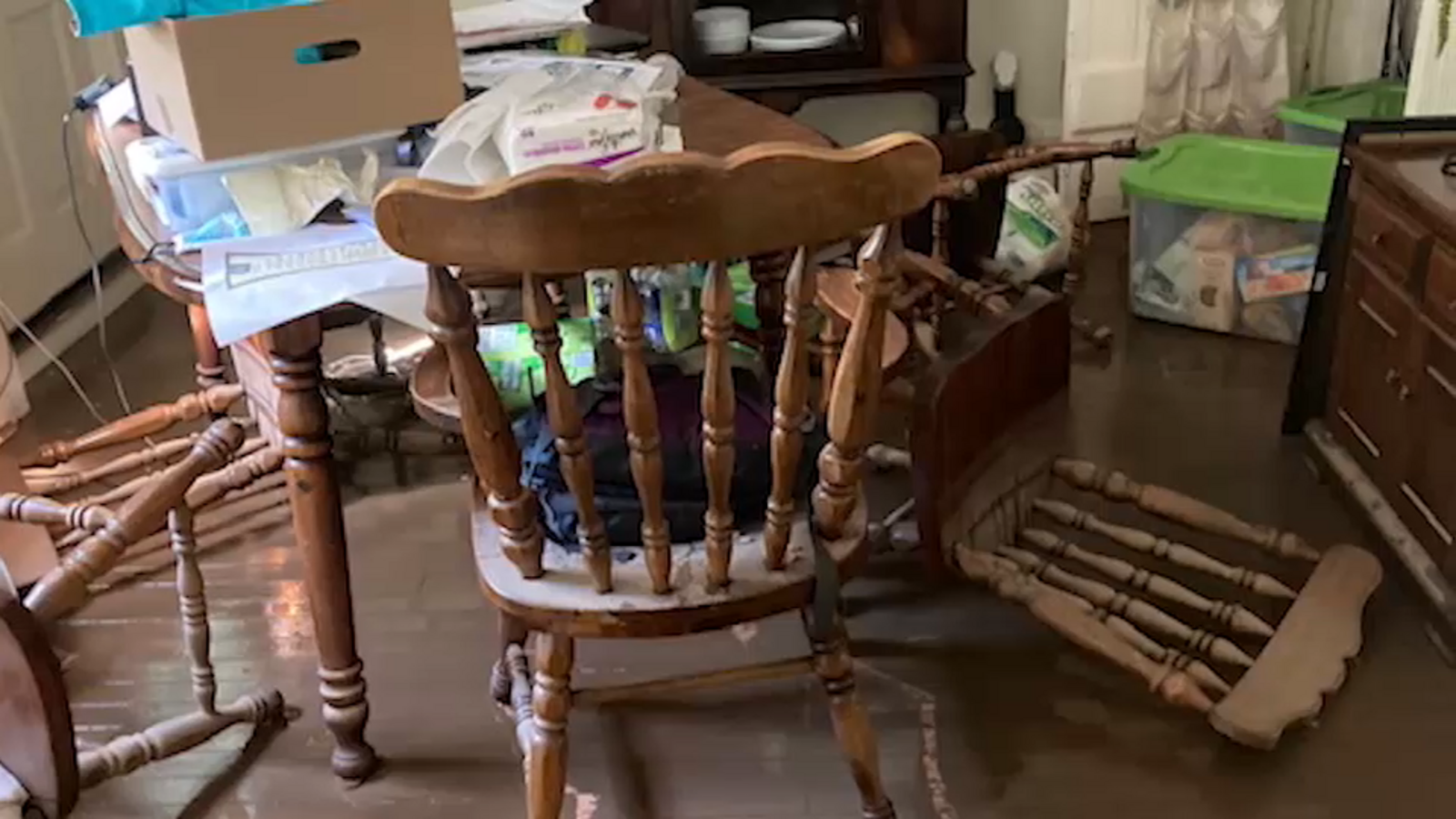
PRINCETON, N.J. (WPVI) -- It's been more than five years since Hurricane Ida hit the Northeast on September 1, 2021. Yet, despite multiple governmental plans designed to help homeowners rebuild and remediate, one New Jersey mother is still waiting to get back into her flood-damaged home.
She's not alone.
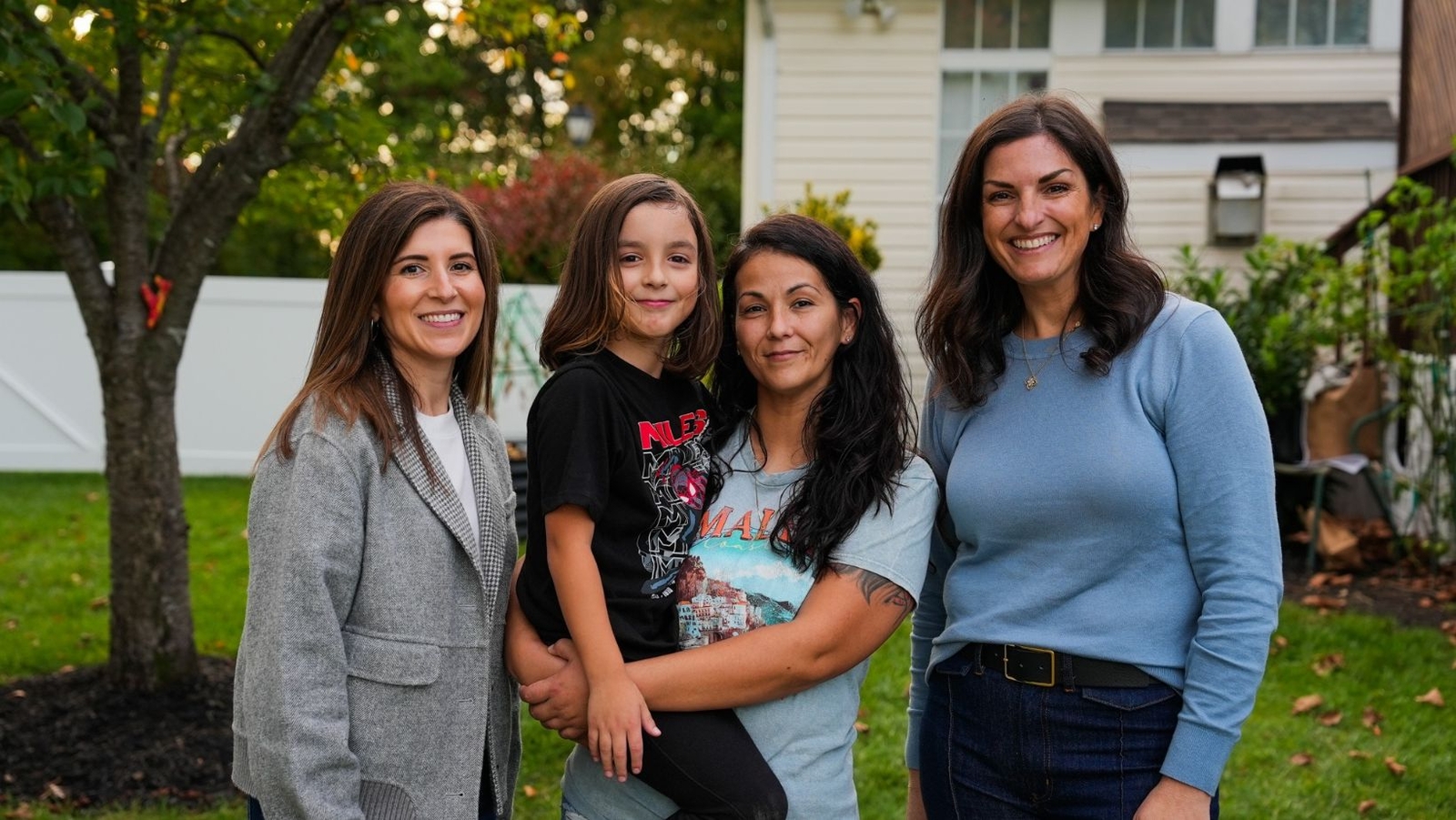
Annarella Valdivia applied for and was approved to rebuild, but says she has spent five years dealing with red tape.
Her home is tucked between the trees of a wooded area in Princeton, New Jersey. She says it's her dream home.
"I was so excited, because it's not every day that you're able to purchase a home in Princeton," Valdivia said.
She still owns it but hasn't been able to live on the property since the hurricane.
"So I've owned the home longer than I've lived in it," said Valdivia.
Valdivia bought the house on March 1, 2021 -- exactly six months before the floodwaters changed her life.
"It seeped all this way, up to 48 inches," said Valdivia, referencing the depth of the water alongside the house.
The inside and all of her belongings were destroyed.
"I found a rental, and I've been having to rent ever since," said Valdivia.
While still responsible for the mortgage, she applied for help through the Homeowner Assistance and Recovery Program, also known as HARP. New Jersey established it to help victims of Ida. It's run by the Department of Community Affairs and it uses federal money to fund rebuilding and remediation.
"I was approved, approved for it to be completely rebuilt and to get at least $300,000 worth in rebuilding it towards my home," said Valdivia.
But that hasn't happened yet.
Part of the problem: a small portion of her home is a historic landmark.
It's the old Stony Brook Toll House. The rest of the home was added on to it. Plans to restore the historic portion also need to be approved.
Valdivia says the program requested proof of that.
"Give us that documentation that proves you can move ahead with that plan based on the town's historical committee, and I did, and finally, in December of this last year, I got the letter," said Valdivia.
Yet, the state still hasn't approved the rebuild.
Here lies the big issue for many HARP applicants: Annarella's bank first placed her in foreclosure. Today, they're offering to modify her loan, but rental assistance from the state is gone and she can't afford to pay both rent and the mortgage.
Now, she may have no other choice but to sell the home to the state.
"Why have a program to help disaster victims that are already traumatized to further add stress and traumatize them? My children keep asking me, 'When are we going home?'" she said.
New Jersey state law prohibits banks from foreclosing on homeowners in the HARP program. It also makes it illegal to collect lump sums for the period of time a mortgage is in forbearance, meaning put on hold. But these protections are only for conventional loans, which Valdivia does not have.
There were 2,254 applications initially submitted to HARP; 577 were deemed ineligible. A thousand of the remaining 1,677 withdrew.
As of September 28, 2026, DCA says there were 573 applicants active in HARP. Of those 315 of them received a grant and 76 are in the process of getting one.
As for those rebuilding, 267 (47%) are under construction, and 48 (8%) have been completed. The rest, 258 (45%), are like Valdivia and still waiting.
Amanda Devecka-Rinear is the director of the New Jersey Resource Project and the New Jersey Organizing Project, groups that fight to get disaster survivors the help they need.
"Many people only get through if they fight their way through," Devecka-Rinear said.
Another main issue is funding.
"If Congress had that HARP funding sitting in the fund, it would have moved much faster," she said. "The state of New Jersey could consider developing some of its own programs to help disaster survivors and not just rely on the federal system."
Devecka-Rinear says those two changes would also help future victims of storms in flood-prone New Jersey.
In a lengthy response, the Department of Community Affairs told us all of the requirements, including historic preservation, "...can significantly extend project timelines." And, they're "...closely monitoring proposed changes," which could "...expedite projects in the future." It added, the DCA "...does not have a separate source of state funding available to bridge the gap."
You can read the full statement here.
As for Annarella Valdivia, she says it feels like Hurricane Ida hit her twice.
"It's worse than the actual flood. It's worse than actually being a hurricane victim. Now, it's like revictimization," she said.
Valdivia fears she's going to end up homeless. Right now, she's trying to get variance from the Municipality of Princeton, which would allow her to put a trailer or RV on the property while this process plays out. But that has also proved to be yet another lengthy process.
Copyright © 2026 WPVI-TV. All Rights Reserved.
Ver nota original ↗
¿Querés un resumen rápido de esta noticia, hecho por nuestra IA?