How San Diego County checks and protects mail-in ballots
Almost 95% of the ballots counted in this year’s San Diego County primary were cast by mail. So what happens to ballots after voters put them in the mail or drop them in a county ballot box?
NBC 7 Investigates followed mail-in ballots through the San Diego County Registrar of Voters to see how officials track them, verify signatures and protect them from mistakes, tampering and fraud.
The process starts when ballots arrive from the post office or county drop boxes. They are sent through a high-speed sorting machine that can process about 42,000 envelopes an hour.
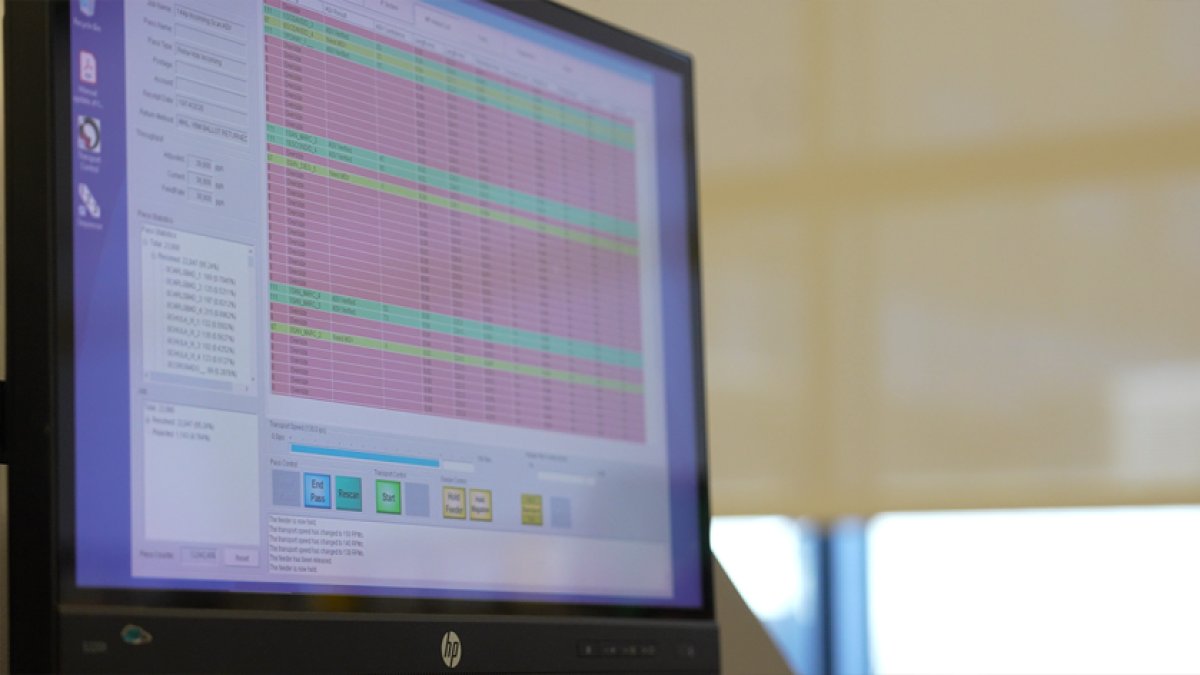
The machine scans each envelope and takes a picture of the voter’s signature. During our visit, the machine began flagging an unusually high number of envelopes.The machine’s computer showed line after line of red lines – representing rejections.

County officials determined that a belt was causing the problem. A technician fixed the machine, and the affected envelopes were run through again and returned to the correct trays.
Verifying voter signatures
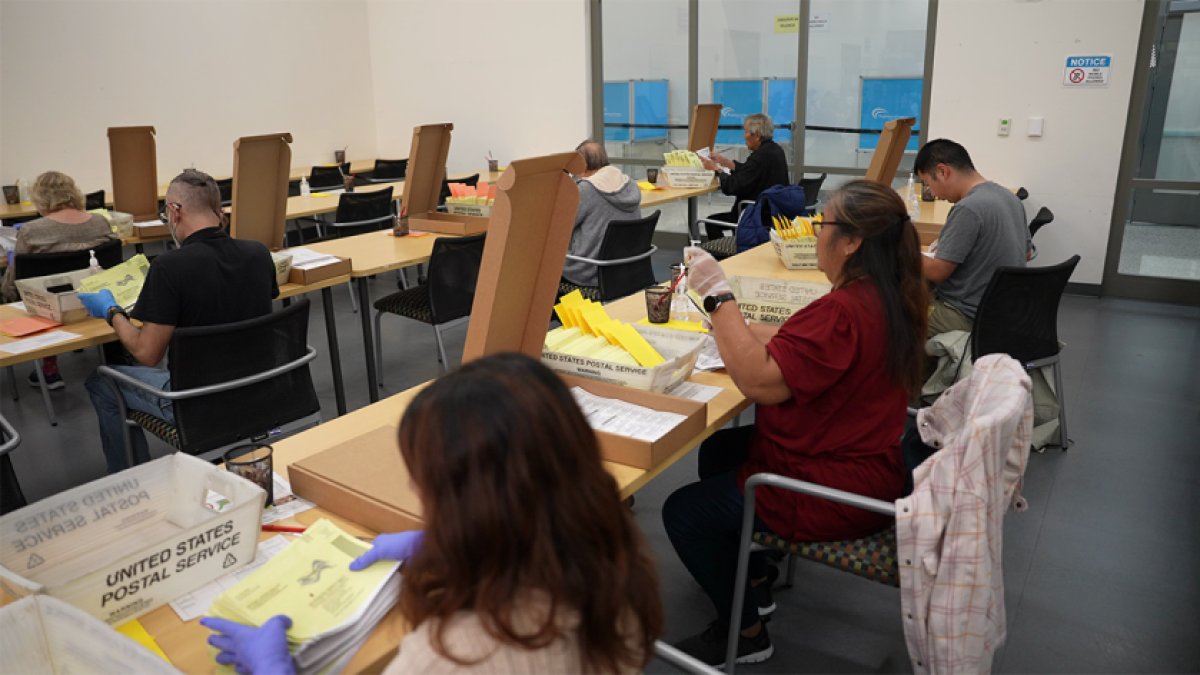
The ballots then move to a room where election workers compare each signature with the voter’s signature on file.
Asked how officials know a signature has not been forged, Registrar of Voters Sean Brom said discrepancies are sent for additional review.
“If there’s any discrepancy in the signatures, we will send that up for further review where other individuals in our team are able to look at past signatures as well,” Brom said.
Workers said they sometimes encounter ballots where family members have signed for one another.
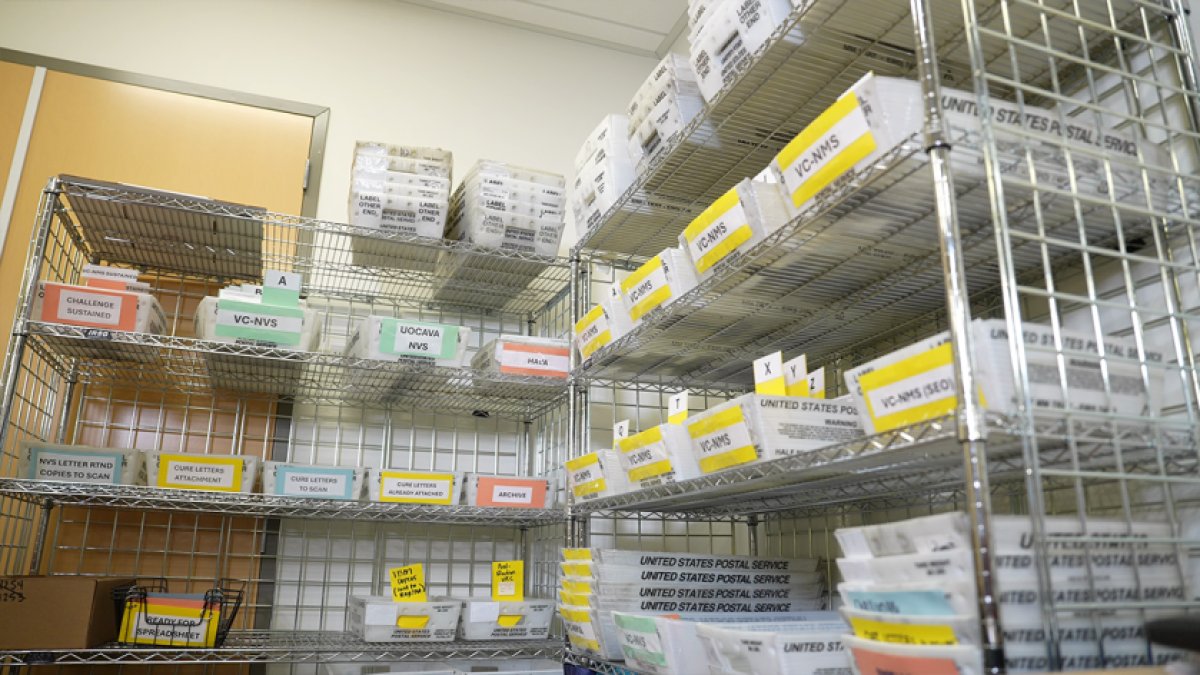
A signature mismatch does not automatically mean a ballot will be rejected. If workers cannot verify a signature, they alert the voter and give them an opportunity to correct the issue. Until the issue is resolved, the ballot remains sealed.
“The challenge will remain on that envelope, and the envelope will never get opened,” an election worker told us.
The county will mail voters a letter notifying them of a signature issue. Voters then have up to 22 days after Election Day to provide a current signature and correct the problem.
Once ballots clear the signature verification process, they go through another machine to make sure the number of ballots leaving the room matches the number that came in.
Next, workers open the envelopes. Officials take steps to protect ballot secrecy, including positioning envelopes so the voter’s name is not visible when workers handle the ballot.
Brom said that separation is designed to prevent workers from connecting a voter with the choices on the ballot.
“You can’t unsee what you just saw,” Brom said. “We know if somebody voted, but we don’t know how they voted.”
Preventing someone from voting multiple times
Brom said voters cannot simply cast a mail-in ballot and then vote again in person and have both votes counted.
“There’s the thought that you can vote with your mail ballot, you can vote in person, and you can just vote as many times as you want,” Brom said. “Only one is going to count.”
Every ballot envelope has a unique ID, and if a voter requests a replacement ballot by mail, the original ballot is flagged. The county also tracks how many ballots move from room to room, helping officials monitor the chain of custody and prevent ballots from being removed from the process or added to it.
How damaged ballots are handled
Ballots that are torn or otherwise damaged may need to be recreated so voting equipment can read them. The county says this process includes safeguards to prevent one person from changing a voter’s selections.
“We work in teams of two to make sure that no individual is making any selections or they’re not with the ballot by themselves,” Brom said.
Two employees copy the votes onto a new ballot and then switch roles to check each other’s work.
For this year’s primary, less than 2% of mail-in ballots were rejected, with 1.37% rejected overall. Other than ballots not being mailed in time, the biggest reason for rejection was a signature that did not match the voter’s driver’s license.
Counting the votes and maintaining integrity
After the ballots have gone through the other security checks, computers convert the marked bubbles into vote totals. The county says its vote-counting equipment is not connected to the internet, and access to the room where the equipment is located is strictly controlled.
“If someone goes in there now, you’ve just compromised the integrity of the election,” Brom said.
In fact, during our visit, Brom wasn’t approved to enter. To gain access, he’d need to sign in and receive permission.
The county also tests a sample digital count against known vote totals before each election. Brom said the combination of safeguards is intended to catch mistakes and prevent fraud.
“I’ve been here for over two decades, and I have definitely noticed an interest from the public in what we do and how we do it,” Brom told us.
For those who still have questions, much of the process is open to the public, allowing voters to visit the Registrar of Voters and observe how ballots are handled.
The county also has an online system where voters can track their mail-in ballots and check their status.
This story was originally reported for broadcast by NBC San Diego. AI tools helped convert the story to a digital article, and an NBC San Diego journalist edited the article for publication.
Ver nota original ↗
¿Querés un resumen rápido de esta noticia, hecho por nuestra IA?