Study puts Tijuana sewage crisis economic toll as high as $7.9B
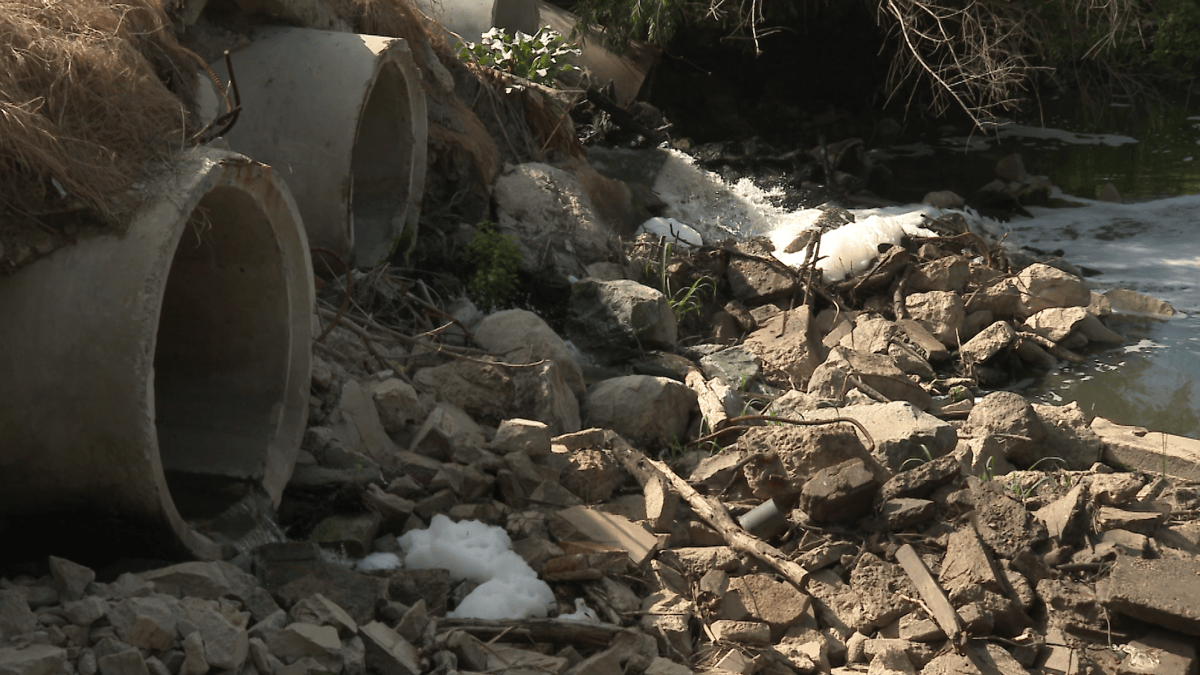
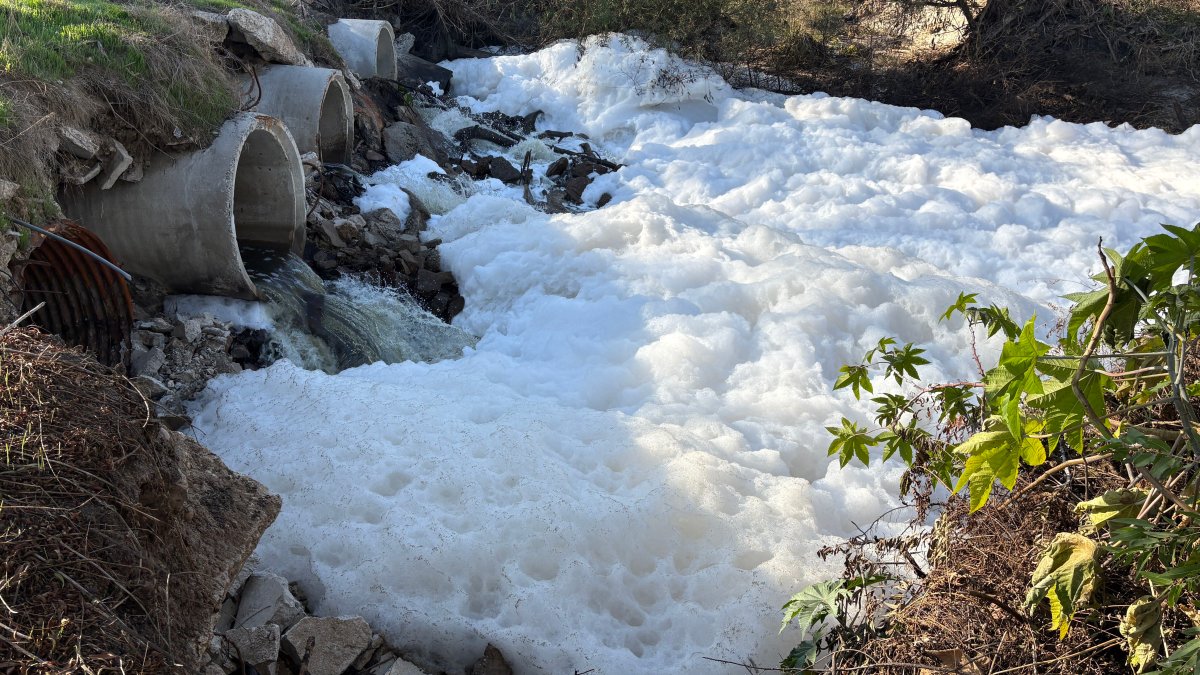
The decades-old Tijuana River sewage crisis has caused billions of dollars in economic losses across the San Diego region, according to preliminary findings from a new San Diego County-commissioned study.
The study estimates the sewage crisis is reducing the county's regional economic output by between $125.6 million and $503.5 million annually, with the cumulative economic impact over 20 years estimated at up to $7.9 billion. The San Diego County Board of Supervisors received a presentation on the preliminary findings on Tuesday.
"You can't ignore disaster level impacts," San Diego County Supervisor Paloma Aguirre said.
The study examines the economic effects of persistent pollution, chronic beach closures, and toxic airborne gases in communities including Imperial Beach, San Ysidro, the Tijuana River Valley, and Coronado.
The impacts extend to tourism and recreation, local businesses, property values, tax revenue, public health, workforce patterns, and potentially public school funding, according to the preliminary findings.
Aguirre, a former Imperial Beach mayor, said the economic losses amount to hundreds of millions of dollars each year.
"Economic losses between 300 and 500 million dollars annually," Aguirre said. "So those are disaster level losses."
Local


Businesses near the Imperial Beach coastline have experienced the effects firsthand. Hotels such as Pier South have watched customers leave because of the smell, while smaller businesses have closed or struggled to stay afloat.
Phil Villalobos, who operates IB Barbershop less than a block from the beach, has seen fewer customers since the sewage crisis worsened in 2020.
"They don't want to come to a place where they cannot not even go into the water," Villalobos said. "Definitely, you know, customers don't come to a place which stinks."
Villalobos said he wasn't surprised by the study's estimates.
The U.S. Environmental Protection Agency and Mexico are working on improvements aimed at addressing the cross-border pollution. Aguirre said the work is not moving fast enough and hopes the new economic data will lead to additional assistance from California and the federal government.
"This data is going to hopefully give us the tool for additional support," Aguirre said.
The findings come weeks after San Diego County advanced its Tijuana River Capture and Cleanup Initiative, which is intended to evaluate U.S.-side infrastructure that could intercept polluted river water, treat it and prevent it from reaching San Diego communities and beaches.
The economic study is intended to put a price tag on a crisis already known for its environmental and public health impacts and provide a clearer picture of the cost of the long-term infrastructure challenge.
"It's really a bummer," Villalobos said. "It has to get better. But, you know, they have to do something about it."
The final ECOnorthwest report is expected to be published in October. The figures presented Tuesday are preliminary and are intended to demonstrate the potential scale of the economic effects rather than serve as final damage determinations. Aguirre hopes the findings will serve as a red flag for state and federal officials.
This story was originally reported for broadcast by NBC San Diego. AI tools helped convert the story to a digital article, and an NBC San Diego journalist edited the article for publication.
Ver nota original ↗
¿Querés un resumen rápido de esta noticia, hecho por nuestra IA?