Pranks, parties and prognostication: The history of Halloween in Vermont

This story by Kyle Neece was first published by Community News Service, a University of Vermont journalism internship, on Oct. 29, 2026.
On Halloween, Vermonters will don costumes and hand out candy as the phrase “Trick or treat!” will be repeated many times over.
But decades ago, typical Halloween celebrations looked a bit different. A recent paper published by the Vermont Historical Society chronicles the history of the holiday in the Green Mountain State from the late 19th century to the mid-20th century. It documents the pranks, parties and fortune-telling trends that made for spooky seasons past.
The paper’s author, Elizabeth A. Allen, began researching the topic after finding a 1922 newspaper clipping of her grandmother at a Halloween party.
“I realized that small-town Vermont newspapers really liked to report what people were doing for Halloween,” Allen said. “I found a rich vein of information that people haven’t really looked into.”
Pranks
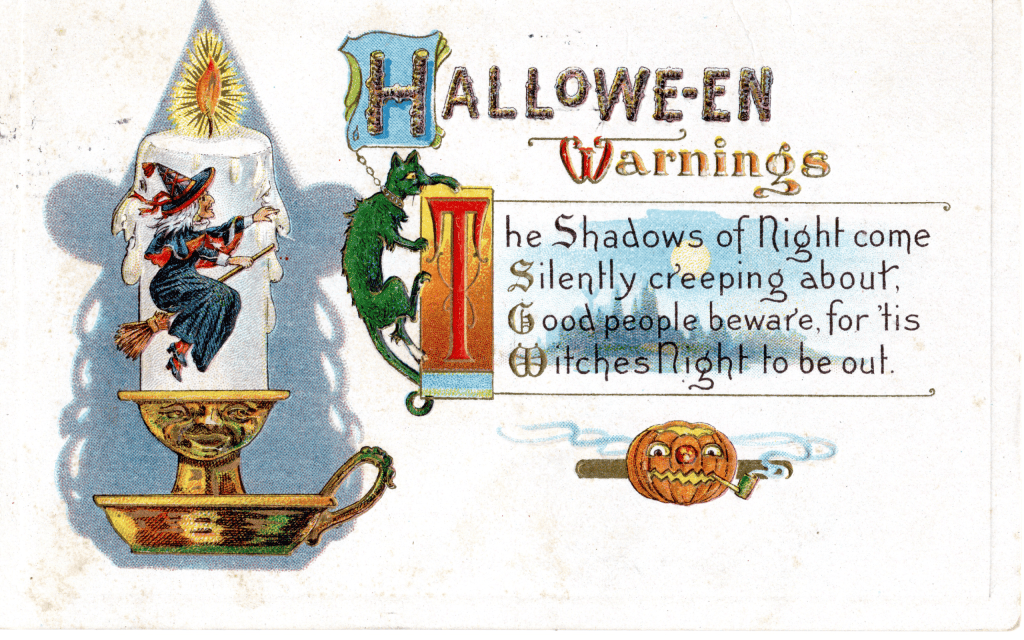
Mischief-making has always been a part of Halloween, and between 1870 and 1940, some of the more notable pranks were documented in local newspapers. Allen found stories about cast-iron lion sculptures being knocked over, youngsters ringing doorbells and then fleeing, “and many other annoyances too numerous to mention,” one newspaper reported.
But some Halloween pranks weren’t so light-hearted. Allen found numerous articles about pranks gone bad, with their subjects spraining shoulders, crashing cars and nearly suffocating. Vermonters debated how far these pranks should go.
In one infamous prank in 1933, University of Vermont students stole a cart of apples. Two police officers stopped the group of students, who threw the fruit at the police. One officer fired his gun into the air, and the other shot four times into the crowd. A bullet pierced the arm of Ray Collins Jr., of Colchester, causing minor injury. Mayor James Burke also supported the use of tear gas for crowd control.
The officers’ response reflected a larger societal shift, Allen said. Before World War I, tear gas had been used on the battlefield. But after the war, in the 1920s, police began using it domestically, according to Allen.
She connects the escalating violence of Halloween to postwar social assumptions and implications.
“It made me think that maybe World War I somehow made some people think there was a confusion between the home front and the theater of war, and some people, at least, Burke included, seemed to think they were under siege by these apple-throwing UVM students. So he considered chemical weapons an appropriate response,” Allen said.
By the 1940s and 1950s, Halloween celebrations became more controlled. Tricksters were more likely to be arrested or fined if they were caught being disruptive, Allen wrote.
As such, communities began organizing parades, parties and other events, which served as spaces where children could gather and prevented them from committing mischief. Allen said that trend has continued to today.
“I’ve seen a shift away from trick-or-treating towards trunk-or-treating, with kids going around to the trunks of various cars in a parking lot in the daytime, so the parents can monitor them,” she said. “It’s a smaller trek that the kids make, so that the observance of the holiday is made safer for the kids involved.”
Telling fortunes
In decades past, Halloween celebrations were somewhat gendered: Boys pulled pranks, and girls participated in fortune telling, Allen wrote.
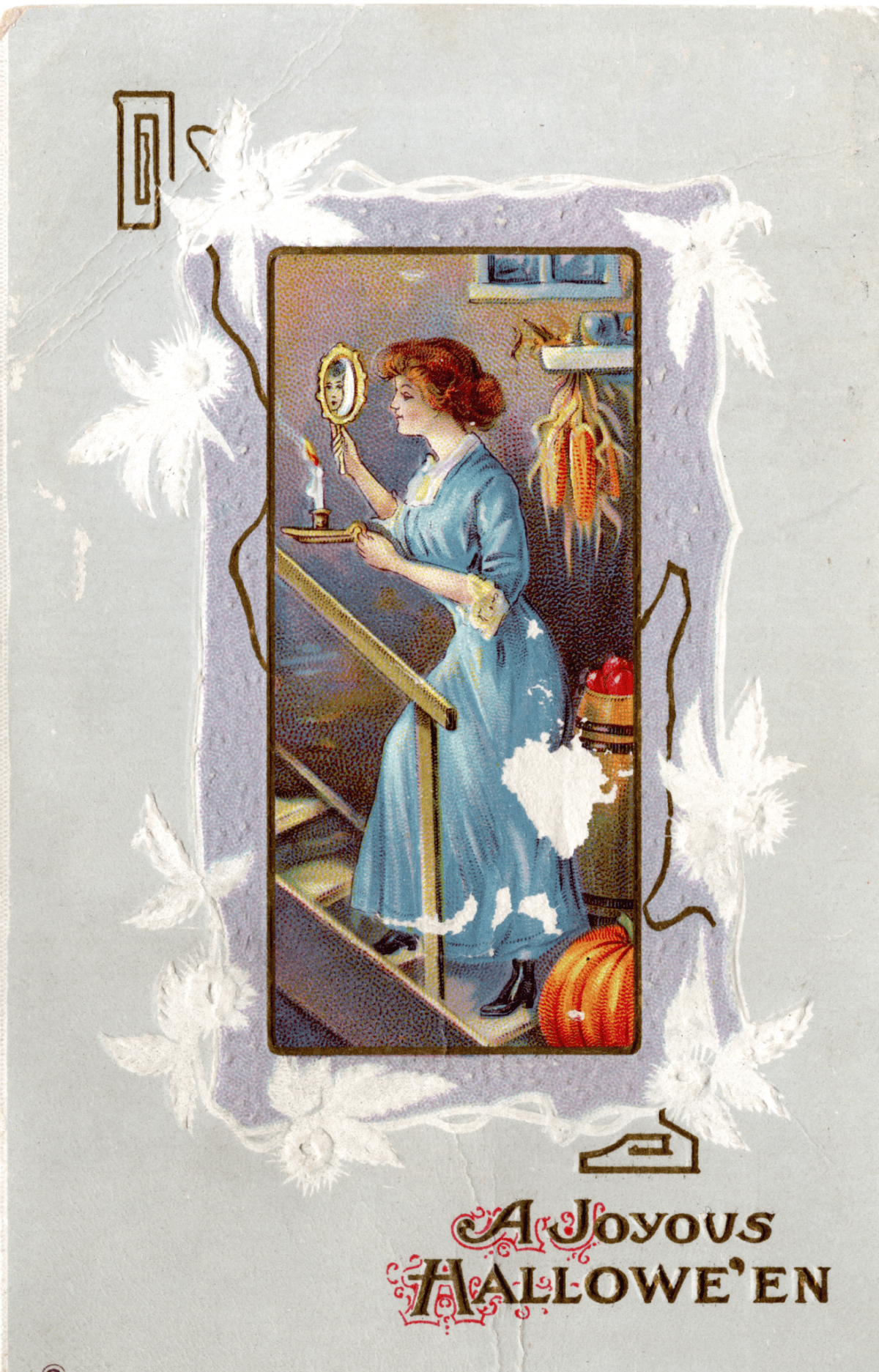
Halloween fortune telling links to Scottish romantic rites and practices. These rites involved examining cabbages’ health and shape, displaying pairs of nuts on hearths to represent lovers, and looking into mirrors by candlelight to see the visages of future spouses.
According to Allen’s research, Vermonters didn’t start these rites and practices until the latter half of the 19th century. They gave Halloween a romantic characteristic that is not really seen today.
At the time, women were being afforded greater civic opportunities, but they still couldn’t vote and were expected to have families. Fortune telling gave them an outlet for anxieties, Allen said.
“The consideration of who to marry and what their economic future would look like was a significant crossroads for them,” she said.
Zoe Senecal, a history lecturer at UVM who specializes in the histories of magic and witchcraft, agreed that these fortune-telling activities were an important practice for women.
“Love magic is more than just frivolous, ‘Oh, I wonder who I’ll end up with,’ historically,” Senecal said. “And I think that accounts for its popularity today, too.”
In the 1900s, fortune telling grew into a more commercial enterprise. At parties, costumed seers surrounded by props would hold booths and, for a fee, reveal their subjects’ past, present and future.
But while the business of fortune telling became popular during this era, the practice had existed for centuries, dating back to medieval times, Senecal said. The practitioners of such magic were called “cunning folk.”
“All of these cottage-industry cunning folk would use combinations of spells and prayers to help people with their everyday problems,” Senecal said. “And usually they would do this in exchange for money.”
Today, fortune telling is seen as more of a carnival amusement than a Halloween pastime. And although it was more popular among women in the past, men now practice it, too.

Parties and costumes
One of the first recorded Halloween parties in Vermont dates back to 1884 and was in Island Pond.
Masquerade balls, in which guests wore masks, became popular soon after. Reports of these parties would appear in newspapers but were not generally advertised.
“The food for Halloween parties in this era was simple and, down to the ice cream and candy, homemade,” Allen wrote.
Like the pranks, Halloween parties escalated in the 1900s. The number of guests at parties grew to triple digits, and newspapers began advertising parties to reach larger crowds, according to Allen’s research.
The costumes at these parties sometimes reflected the prevailing stereotypes of the day. Newspaper accounts included descriptions of costumes that appropriated East Asian and Indigenous cultures and those that romanticized the image of the South under slavery.
“The assumptions that underpin Halloween have a long life, and unfortunately, in this case, it’s negative stereotypes that are still seen as valid costumes by some people even over a century after they first appeared in newspapers,” Allen said.
Racist costumes were not the only stereotypes celebrated on Halloween. Senecal said witch costumes reinforce a lot of the features, characteristics and props that are associated with the trials of witches as “spiritual criminals” in the 16th and 17th centuries, who were tried and prosecuted by churchmen.
Senecal, however, still encourages people to get into the Halloween spirit.
“I think it’s always worth dipping into the history, both to find interesting and fun things to celebrate, but also to be aware of what you should be sensitive about as you’re dressing up, what tropes you’re invoking,” she said.
Allen agreed that revelers should be sensitive to how they dress on Halloween, while still encouraging them to have fun.
“Whether you’re going to bob for a McIntosh apple, or wear a mask, or just look up at the sky and say, ‘Wow, I see the stars out; something might happen tonight’ — those seem like wonderful ways to catch a bit of the Halloween spirit to me,” she said.
Read the story on VTDigger here: Pranks, parties and prognostication: The history of Halloween in Vermont.
Ver nota original ↗
¿Querés un resumen rápido de esta noticia, hecho por nuestra IA?