Why fun-size candy can pose a bigger concern for kids with food allergies
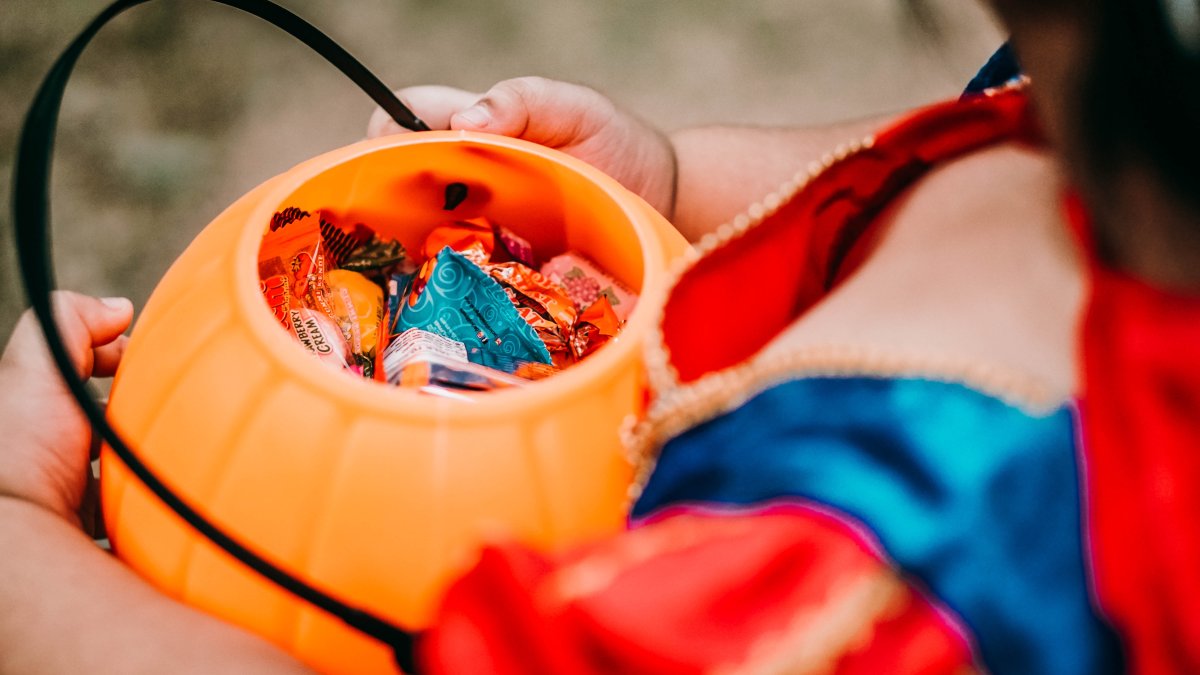
For trick-or-treaters, fun-size candy bars are part of the appeal of Halloween. For kids with food allergies, however, those miniature treats can come with risks that aren't always obvious.
Dr. Jaspreet Dhami, a board-certified allergist and immunologist with Latitude Food Allergy Care, said parents should pay particular attention to the difference between fun-size and full-size versions of the same candy.
“Fun-sized candies often contain different ingredients than full-sized ones,” Dhami said. “They're often processed in different facilities and can have cross-contamination risks with other allergens.”
That means a child who has safely eaten a full-size version of a candy in the past cannot necessarily assume the Halloween-sized version is also safe.
“That's a common misconception,” Dhami said.


She also pointed to labeling issues in the two sizes. A full-size candy bar may not have a label warning about a particular cross-contact risk and fun-sized candies typically don't include a complete list of allergens.
Dhami noted Laffy Taffy as one example. The large-size version of the candy mentions that it contains egg as an ingredient, while the fun-size version does not have egg on the list, but does include soy, which the larger one does not.
“So even if that full-size candy was safe the other time of the year, that fun-size version might not necessarily (be safe),” she said.
We reached out to Laffy Taffy for comment about the differences in ingredients between its full-size and fun-size products but did not hear back by the time of publication.
Another challenge parents face on Halloween is the time or sufficient lighting to properly examine each piece of candy while they're out trick-or-treating.
“Wait until you're home, until your child is eating that candy so that you have enough time to take a look at the label closely and you can look up the ingredients,” she said.
That extra step matters because many of the major food allergens can show up in Halloween candy. Dhami said peanuts, hazelnuts, almonds, wheat, eggs, soy and sesame can all be found in candy.
And while federal law requires all foods made and sold in the U.S. that contain any of the nine major allergens to declare them on labels, it doesn't require precautionary advisory labels such as "may contain" or "processed in a facility" that also uses certain allergens when there's a risk for cross-contamination.
She recommends that families with children who have food allergies make a plan before heading out for the night. Children should trick-or-treat with a trusted adult, and parents should bring two epinephrine auto-injectors, as well as treats the child knows are safe.
Most severe allergic reactions respond to one dose of epinephrine, Dhami said, but a second dose may be needed if a reaction isn't improving after five to 15 minutes. She said severe reactions requiring two doses occur in about 10% to 15% of cases.
Parents should also be aware that Halloween costumes and face paint can make it harder to spot symptoms of an allergic reaction.
Dhami recommends carrying a flashlight while trick-or-treating and knowing the signs, which can include hives or swelling, coughing, shortness of breath or wheezing, abdominal pain and vomiting.
“Know the signs and symptoms of a food allergic reaction, and then of course come prepared and bring your EpiPens,” she said.
Residents are putting out teal pumpkins to help kids with allergies know where they can find treats they can enjoy.
How the Teal Pumpkin Project can help
Not every Halloween treat has to be food.
The Teal Pumpkin Project, led by FARE, encourages participating households to offer non-food treats for children with food allergies. A teal pumpkin displayed outside a home signals that the house has alternatives such as small toys, puzzles or other items.
“I love the idea of the Teal Pumpkin Project,” Dhami said. “It's a great way for the community and neighborhood to support families with food allergies as well.”
Dhami also encourages parents of children with food allergies to communicate with neighbors, friends, teachers and other parents before Halloween so they understand the child's allergies and can help make trick-or-treating more inclusive.
For families whose children cannot safely eat much of their Halloween haul, Dhami suggested a “Switch Witch,” in which unsafe candy is exchanged for treats the child can eat or for a small toy or puzzle.
Unopened candy can also be donated to organizations such as Treats for Troops or the Ronald McDonald House, she said.
The goal, Dhami said, is to make sure food allergies don't mean a child has to miss out on the fun.
“There's a lot of anxiety and stress involved for families who deal with food allergies,” she said. “They're worried about an allergic reaction potentially happening.”
A little preparation, she said, can help families focus more on Halloween and less on what might be hiding inside a tiny candy wrapper.
Ver nota original ↗
¿Querés un resumen rápido de esta noticia, hecho por nuestra IA?