Cleveland City Council's vote not to pay for Browns stadium repairs could carry a high price
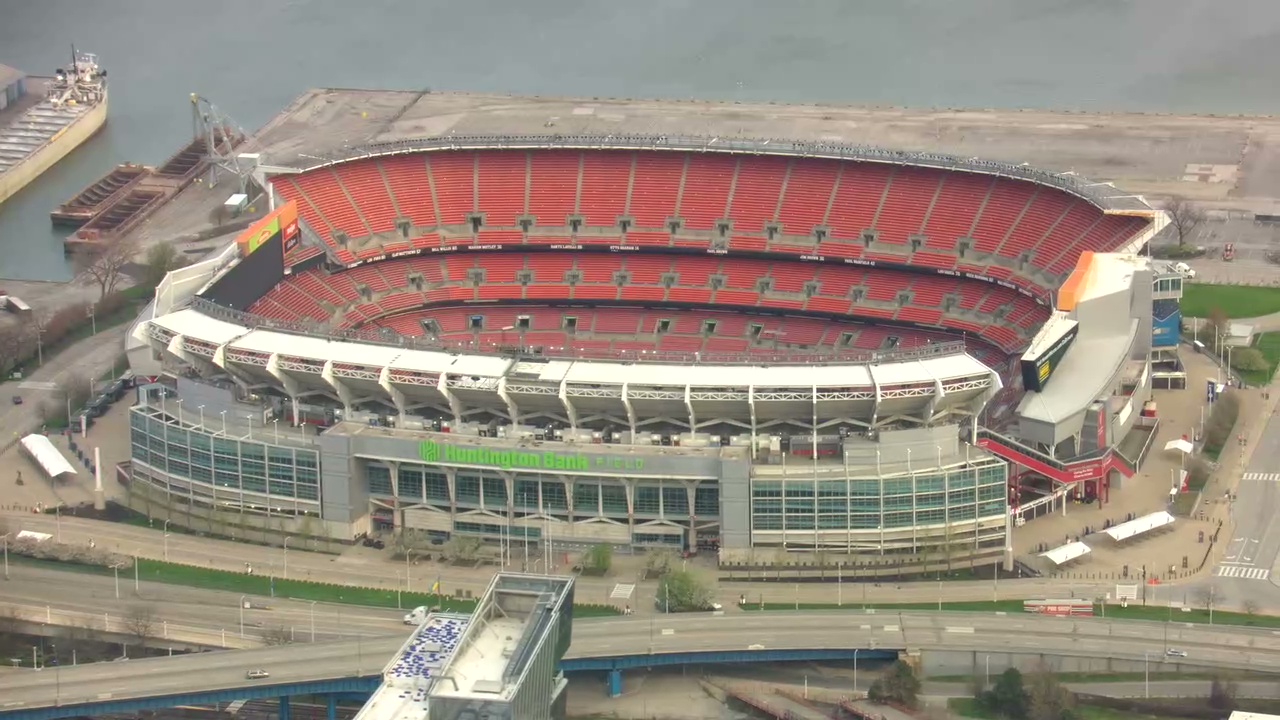
A divided Cleveland City Council sent a message to Haslam Sports Group this week by refusing to pay a $1.1 million bill for emergency fixes at Huntington Bank Field.
But that political statement fueled by deep anger over the Cleveland Browns plans to leave the lakefront for a new suburban stadium might come at a bigger price.
This could end up costing them money in ways that really are not anticipated at this point, said Eric Chaffee, a law professor at Case Western Reserve University.
Cleveland owns the existing stadium, which it leases to the Browns. The lease requires the city to pay for repairs, reimbursing the team in urgent situations.
Nobody on council is disputing that responsibility.
But some members are still drawing a line, saying theyre unwilling to send even a penny to billionaire team owners Jimmy and Dee Haslam.
My residents would tear me apart, Councilman Brian Kazy said during a finance committee meeting Monday before the council vote.
Sometimes, he added, I just wish somebody had the cojones to stand up to that sports group and say: 'Thank you for the work, but we aint paying you a dime. See you in court.
Legal and finance experts say the risks of flouting the lease terms are much bigger than a lawsuit from the Browns. Chaffee, who specializes in contract law, said uncertainty about the citys ability to honor its commitments could lead to higher borrowing costs and reduce the citys power in future business negotiations.
If its a sign of the shape of things to come, he said, the city might have trouble borrowing money when they need it. They might have trouble entering into contracts that are beneficial to the city, especially when they plan to redevelop the lakefront after Browns stadium is torn down and the Browns move to Brook Park.
Paul Barrett, the citys finance director, made similar points before the council vote on Monday. He told finance committee members that disregarding a contract could lead to a downgrade in the citys credit ratings and higher interest rates on future debt.
That makes everything across the city more expensive, he said. That would mean we would do less capital projects. I mean, it kind of ripples.
Those warnings didnt faze some council members.
Thats a risk I think we should be willing to take, Councilman Tanmay Shah said of a downgrade from the major credit rating agencies.
Council was being asked to approve $1.1 million in reimbursements to the Browns for fixing deteriorating concrete, an electrical hazard, a broken overhead door, failing pipe insulation and problems with pipes and pumps that manage wastewater and raw sewage.
The money would come from Cuyahoga County sin tax funds. A longstanding countywide tax on alcohol and cigarette sales is dedicated to upkeep at Progressive Field, Rocket Arena and Huntington Bank Field. Clevelands share of that cash can only go toward the lakefront stadium.
Council members rejected the legislation during a tense, 7-6 vote.
The no votes came from Shah, Kazy, Kevin Bishop, Richard Starr, Mike Polensek, Stephanie Howse-Jones and Nikki Hudson.
I was born in Glenville, raised in Collinwood, Polensek told his colleagues earlier in the day. When somebody jams me, I jam back. Thats the way I was raised.
Council President Blaine Griffin, Deborah Gray, Kris Harsh, Austin Davis, Kevin Conwell and Charles Slife voted in favor of making the payment.
We own the stadium. It is the city of Clevelands. That is the responsibility of the city of Cleveland, like it or not, said Harsh, who described the debate as a battle between ideology and pragmatism.
It seems negligent to deny our responsibilities and obligations, he added. Im not sure what message that sends to the rest of the world.
Two members Jasmin Santana and Joe Jones were absent.
Welcome to Cleveland City Council, Griffin said during an interview Friday. These are debates that happen every day. This one happened to play out publicly.
Now the council president sees three possible paths forward.
Council could reconsider the legislation at its next meeting Nov. 9. But under the bodys rules, only the 13 members who voted on Monday would be allowed to vote again.
Mayor Justin Bibbs administration could reintroduce the legislation, setting it up for a full council vote.
Or the splintered body could wait to see if the Browns decide to sue.
A Bibb administration spokeswoman said city officials are weighing what to do next.
In a written statement, a Haslam Sports Group spokesman expressed hope that council will reconsider and uphold its end of the lease agreement. "We remain focused on making these final seasons on the lakefront a great experience for everyone who comes through the gates," he wrote.
The stadium lease ends in early 2029, though the Browns have two one-year extension options if they need more time to finish their construction project in Brook Park.
As part of a settlement deal Haslam Sports Group and the city reached last year to end a legal battle over the teams looming move, the parties agreed that any investments in the existing stadium will be limited to essential repairs.
WATCH: Cleveland City Council OKs $100 million Browns settlement, with some late-in-the-game changes
Cleveland City Council OKs $100 million Browns settlement, with some late-in-the-game changesAs weve previously made clear, we have been diligent about limiting capital repairs to life and safety and basic building system needs over the final years of our lease, Peter John-Baptiste, the Haslam Sports Group spokesman, wrote in a statement. This is not about upgrades or improvements. It is the basic work required to keep fans, players and staff safe in a city-owned stadium.
After they move out, the Browns are required to demolish the stadium and leave the city with a site thats ready for redevelopment.
Griffin said he understands why council members wrestled with the decision.
Theres a group of people that are cheering about this, he said of the vote not to make the $1.1 million payment.
It may feel great. It may have sent a message, he added. But at the end of the day, a very hard part of this job is not just the politics. Its also the governance.
Now hes focused on mitigating the fallout.
I dont want anybody to think that we dont pay our bills or that we dont take care of our obligations, he said. Because that sends a horrible message to the free market.
Michelle Jarboe is the business growth and development reporter at News 5 Cleveland. Follow her on X @MJarboe or email her at [email protected].
Ver nota original ↗
¿Querés un resumen rápido de esta noticia, hecho por nuestra IA?