Election 2026: Early voting wraps for Tennessee’s November 3 general election

What This Story Is About
- Tennessee voters will head to the polls Tuesday, Nov. 3, to choose a governor, U.S. senator, members of Congress, state lawmakers, and, in some communities, municipal officials.
Why It Matters
- The general election will decide who holds those offices, with Republican, Democratic and Independent candidates appearing on ballots.
What Happens Next
- Election Day is November 3.
Catch Up
NASHVILLE, Tenn. (WSMV) - Early voting for Tennesseans officially ended, and now voters will cast ballots in the State and Federal General Election on Tuesday, November 3.
Races on the ballot include governor, U.S. Senate, U.S. House, Tennessee Senate and Tennessee House seats. Some cities and counties will also have local races.
This comprehensive voter’s guide outlines the candidates, their platforms, who will be on each ballot, who can vote in a primary election, the difference between a primary and a general election, how to vote and a timeline of important dates.
Get live election results here as they come in on November 3.
What are the key dates and deadlines for Tennessee’s upcoming elections?
Here are the deadlines for the November 3 State and Federal Election, which includes the following races:
- Governor
- U.S. Senate
- U.S. House
- Tennessee Senate (odd-numbered districts)
- Tennessee House
- Some municipal elections
| Deadline | Date |
|---|---|
| Voter Registration Deadline | Monday, October 5, 2026 |
| Early Voting | Wednesday, October 14 - Thursday, October 29, 2026 |
| Absentee Ballot Request Deadline | Saturday, October 24, 2026 |
| Election Day | Tuesday, November 3, 2026 |
What do you need to vote in Tennessee?
The state has an online hub called GoVoteTN.gov to help voters get to the polls on Election Day. The hub is also available as a free mobile app.
Only registered voters can cast a ballot. Tennessee voters must bring a valid photo ID to the polls. The state accepts a Tennessee driver’s license, a state-issued photo ID or a federal government-issued photo ID, including an expired ID.
Voters can use the state’s GoVoteTN website or mobile app to register, check their registration, find their polling location, locate their county election commission and track an absentee ballot.
Click the links below to access resources to help voters prepare to cast their ballots:
- Register to vote
- Check your voter registration status
- Finding your polling location and its hours
- Find your county’s election commission
- Check the status of your absentee ballot
- Sign up to be a poll worker
What to expect on your ballot?
Here’s a breakdown of who is running in Tennessee’s November 3 general election.
Candidates running to be the next governor of Tennessee
Click here for bios on each candidate for governor.
| Name | Party Affiliation |
|---|---|
| Marsha Blackburn | Republican |
| Jerri Green | Democrat |
| David Hatley | Independent |
| Misam Abidi | Independent |
| Dean Brewer | Independent |
| Ray Brown | Independent |
| Wendell Jackson | Independent |
| Charles Van Morgan | Independent |
| Eddie Lee Murphy | Independent |
| Lauren Pinkston | Independent |
| Victor L. Scoggin | Independent |
| Dave Seeman | Independent |
| Karl Knox Smithson | Independent |
| L. Webb Taylor | Independent |
| Robert C. Vick | Independent |
Candidates running to represent Tennessee in the U.S. Senate
| Name | Party Affiliation |
|---|---|
| Bill Hagerty | Republican |
| Marquita Bradshaw | Democrat |
| Tharon Chandler | Independent |
| Andrew Gerena | Independent |
| Jeremy Dean Hearn | Independent |
| Robert Jones | Independent |
| James William Macon III | Independent |
| Yoshi D. Matthews | Independent |
| David Sutman Jr. | Independent |
| Catherine Barcel “Barcy” Whitson | Independent |
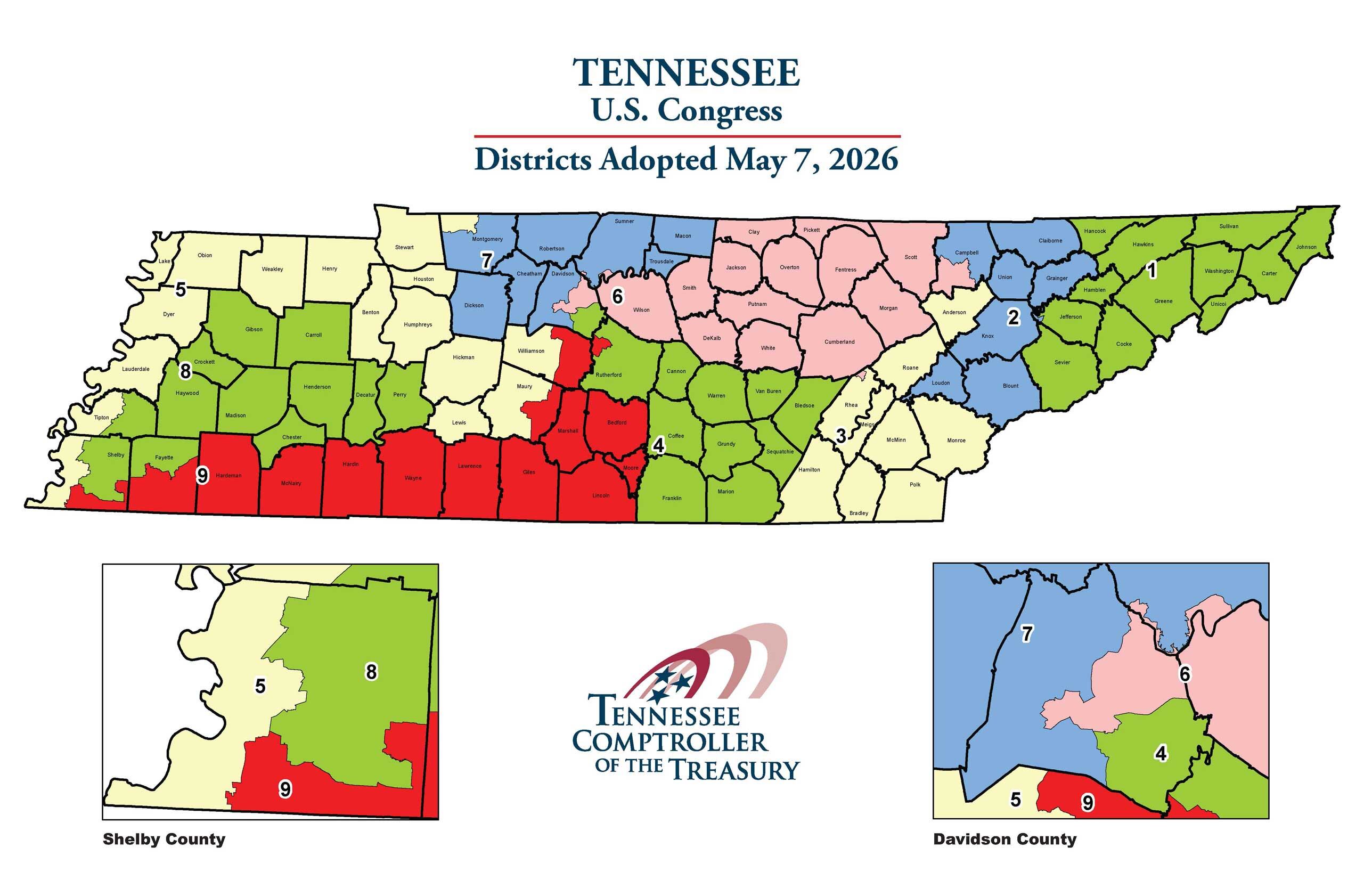
Candidates running to represent Tennessee in the U.S. House
| Name | Party Affiliation | District |
|---|---|---|
| Scott DesJarlais | Republican | 4 |
| Victoria Broderick | Democrat | 4 |
| Jacob Kristopher Anders | Independent | 4 |
| Clay Faircloth | Independent | 4 |
| Charlie Hatcher | Republican | 5 |
| Chaz Molder | Democrat | 5 |
| James A. Johnson | Independent | 5 |
| Michéal “Me-Haul” O’Leary | Independent | 5 |
| Johnny Garrett | Republican | 6 |
| Mike Croley | Democrat | 6 |
| Christopher B. Monday | Independent | 6 |
| Angus Purdy | Independent | 6 |
| Matt Van Epps | Republican | 7 |
| Darden Copeland | Democrat | 7 |
| Andrew J. Koontz | Independent | 7 |
| Lowell Reynolds | Independent | 7 |
| Brent Taylor | Republican | 9 |
| Justin J. Pearson | Democrat | 9 |
| Dennis Clark | Independent | 9 |
| Michelle Davis Head | Independent | 9 |
Candidates running for Tennessee Senate
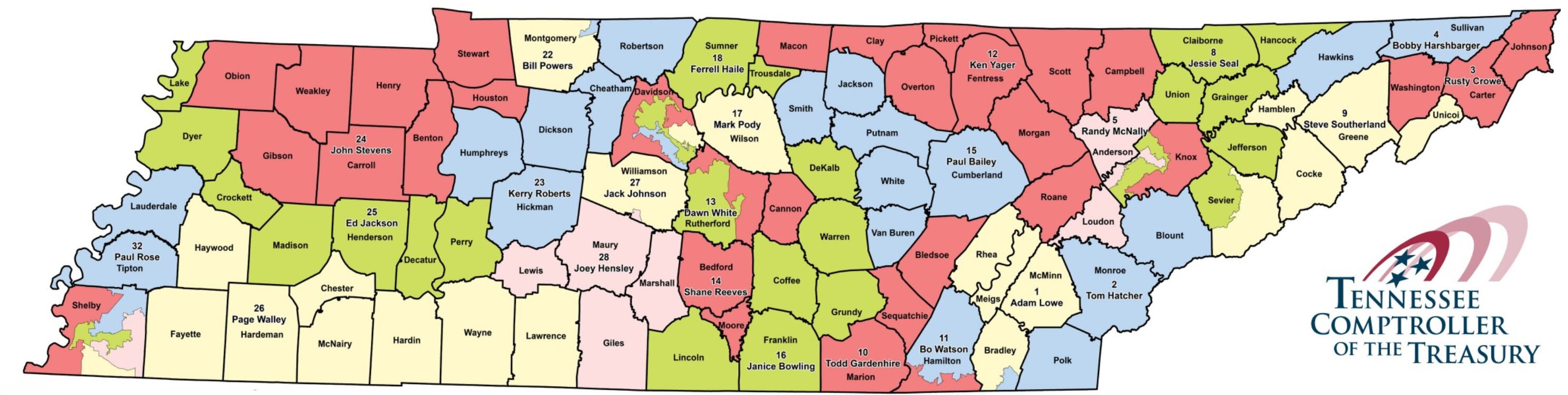
District 13 — Part of Rutherford County
- Dawn White (R)
- Angela Evans Wynn (D)
District 15 — Cumberland, Jackson, Putnam, Smith, Van Buren, White
- Paul Bailey (R)
District 17 — Wilson County, part of Davidson County
- Mark Pody (R)
- Lindsey Patrick-Wright (D)
District 19 — Part of Davidson County
- Charlane Oliver (D)
District 21 — Part of Davidson County
- Jeff Yarbro (D)
District 23 — Cheatham, Dickson, Hickman, Humphreys, Robertson, part of Montgomery
- Kerry Roberts (R)
- David Lee Marcum (I)
District 27 — Part of Williamson County
- Jack Johnson (R)
- David A. Hardy (D)
Candidates running for Tennessee House
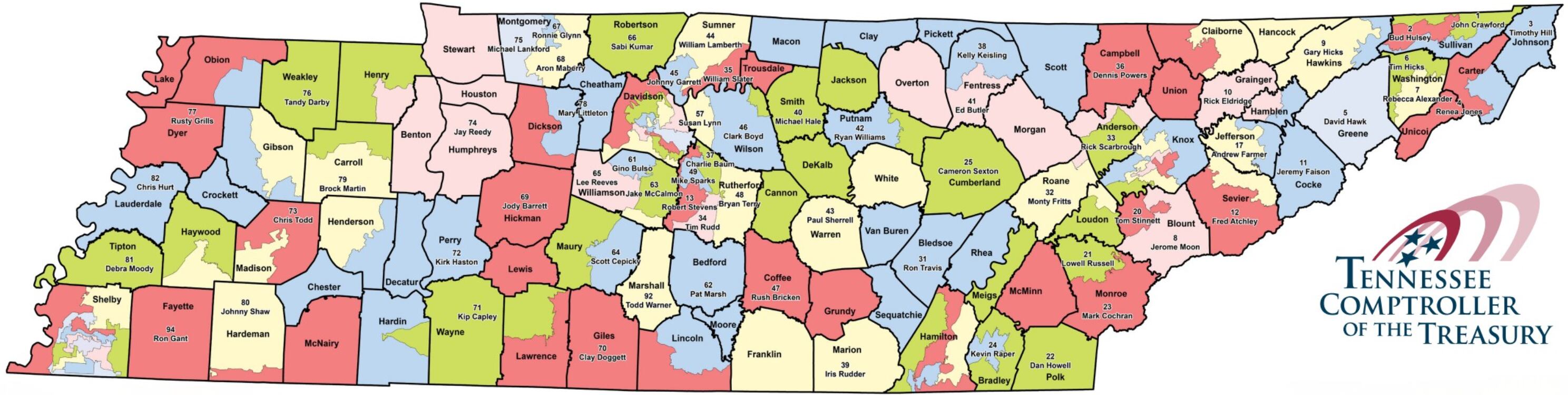
District 13 — Part of Rutherford County
- Robert Stevens (R)
- Brett Windrow (D)
District 25 — Cumberland County, part of Putnam County
- Cameron Sexton (R)
- Monica Mowdy (D)
District 31 — Bledsoe, Rhea, Sequatchie, Van Buren
- Andy Swafford (R)
- Michael Woodlee (D)
- Keith Nolan (I)
- Randy Sharp (I)
District 34 — Part of Rutherford County
- Tim Rudd (R)
- Owen Farnsworth (D)
District 35 — Trousdale County, part of Sumner County
- William Slater (R)
- Phil Barnes (D)
District 37 — Part of Rutherford County
- Charlie Baum (R)
- Mary Ann Young (D)
District 38 — Clay, Macon, Pickett, Scott, part of Fentress
- Kelly Keisling (R)
- Seth McMillan (D)
District 39 — Franklin and Marion counties
- Iris Rudder (R)
District 40 — Cannon, DeKalb, Jackson, Smith, part of Wilson
- Michael Hale (R)
- Daniel Hawthorne (D)
District 41 — Overton, Morgan, parts of Anderson, Fentress, Roane
- Ed Butler (R)
- R. Jason Goodman (D)
District 42 — Part of Putnam County
- Ryan Williams (R)
- Trenton Tyler Strode (D)
District 43 — Warren and White counties
- Paul Sherrell (R)
- Samantha Petit (D)
District 44 — Part of Sumner County
- William Lamberth (R)
- Latoya Holcomb (D)
District 45 — Part of Sumner County
- Brian Stewart (R)
- Mandy Cook (D)
District 46 — Part of Wilson County
- Clark Boyd (R)
- Dominic Howard (D)
District 47 — Coffee and Grundy counties
- Rush Bricken (R)
- Mike Stein (D)
District 48 — Part of Rutherford County
- Bryan Terry (R)
- Matt Ferry (D)
District 49 — Part of Rutherford County
- Mike Sparks (R)
- Connie Casha (D)
District 50 — Part of Davidson County
- Bo Mitchell (D)
District 51 — Part of Davidson County
- Aftyn Behn (D)
District 52 — Part of Davidson County
- Michele Vetter (R)
- Justin Jones (D)
- Martez Coleman (I)
District 53 — Part of Davidson County
- Jason Powell (D)
District 54 — Part of Davidson County
- Vincent Dixie (D)
District 55 — Part of Davidson County
- Jayla Thomas (R)
- John Ray Clemmons (D)
District 56 — Part of Davidson County
- Bob Freeman (D)
District 57 — Part of Wilson County
- Susan Lynn (R)
- Matt Burchfield (D)
District 58 — Part of Davidson County
- Harold Love Jr. (D)
District 59 — Part of Davidson County
- Bill Hancock (R)
- Mark Proctor (D)
District 60 — Part of Davidson County
- Eva Angelina Romero (R)
- Shaundelle Brooks (D)
District 61 — Part of Williamson County
- Gino Bulso (R)
- Becca Ripley (D)
District 62 — Bedford, Moore, part of Lincoln
- Pat Marsh (R)
- Brieanna Akers (D)
District 63 — Part of Williamson County
- Jake McCalmon (R)
- Laura Andreson (D)
District 64 — Part of Maury County
- Scott Cepicky (R)
- Craig D’Apolito (D)
District 65 — Part of Williamson County
- Lee Reeves (R)
- Julian Herbert Pierre-Griffin (D)
District 66 — Robertson County
- Sabi “Doc” Kumar (R)
- Tamara Bavendam (D)
District 67 — Part of Montgomery County
- Chris Lanier (R)
- Ronnie Glynn (D)
District 68 — Part of Montgomery County
- Aron Maberry (R)
- Garfield Scott (D)
District 69 — Hickman, Lewis, part of Dickson
- Jody Barrett (R)
- Rachael Murray (D)
District 70 — Giles, parts of Lawrence and Lincoln
- Clay Doggett (R)
- Rayanne Moos (D)
District 71 — Wayne, parts of Hardin, Lawrence and Maury
- Kip Capley (R)
- Matt Day (D)
District 72 — Chester, Decatur, Perry, parts of Hardin and Henderson
- Kirk Haston (R)
District 74 — Benton, Houston, Humphreys, Stewart, part of Henry
- Jay Reedy (R)
District 75 — Part of Montgomery County
- Michael Lankford (R)
- Allie Phillips (D)
District 78 — Cheatham County, part of Dickson County
- Perry Keenan (R)
- Hillary Capes-Gwinn (D)
District 92 — Marshall County, part of Williamson County
- Todd Warner (R)
- Teri Mai (D)
Which proposed amendments will be on Tennessee ballots this November?
Amendment No. 1:
According to a summary provided by the Tennessee Secretary of State, this amendment, if passed, would allow courts to hold defendants without bail before trial in certain circumstances. This would be a change to Article I, Section 15 of the state constitution and would require that courts state the reasons for the decision on the record.
If passed, bail would be withheld before trial in the following cases:
- An offense punishable by the death penalty
- An act of terrorism
- Second-degree murder
- Aggravated rape of a child
- Aggravated rape
- Grave torture
- Any crime for which a convicted person would be required to serve 85% of their sentence
Here’s how the proposal will appear on the ballot:
Shall Article I, Section 15 of the Constitution of Tennessee be amended by deleting the following:
That all prisoners shall be bailable by sufficient sureties, unless for capital offences, when the proof is evident, or the presumption great. And the privilege of the writ of Habeas Corpus shall not be suspended, unless when in case of rebellion or invasion, the General Assembly shall declare the public safety requires it.
and substituting instead the following:
(a) All prisoners shall be bailable by sufficient sureties unless for the following when the proof is evident or the presumption great:
(1) A capital offense;
(2) An act of terrorism;
(3) Second degree murder;
(4) Aggravated rape of a child;
(5) Aggravated rape;
(6) Grave torture; and
(7) Any other offense for which, as of November 3, 2026, a defendant, if convicted, could not be released prior to the expiration of at least eighty-five percent of the entire sentence imposed.
(b) In any case in which bail for an offense listed in subsection (a) is granted or denied before conviction, the judge or magistrate shall place in the record the judge’s or magistrate’s reasons for granting or denying bail.
(c) The privilege of the writ of Habeas Corpus shall not be suspended, unless when in case of rebellion or invasion, the General Assembly shall declare the public safety requires it.
☐ Yes
☐ No
Read more about the amendment HERE and HERE.
Amendment No. 2:
A state summary says that, if passed, this amendment would ban the Tennessee Legislature from imposing a state property tax on real, personal or mixed property. This would affect Article II, section 28 of the state constitution.
Tennessee does not currently have a state property tax, although local governments do have the ability to set their own rates.
Here’s how the proposal will appear on the ballot:
Shall Article II, Section 28 of the Constitution of the State of Tennessee be amended by deleting the following language from the first sentence:
In accordance with the following provisions, all property real, personal or mixed shall be subject to taxation, but the Legislature
and substituting instead the following:
In accordance with the following provisions, all property real, personal, or mixed shall be subject to taxation, but the Legislature shall not levy, authorize, or otherwise permit any state tax upon such property, and the Legislature
☐ Yes
☐ No
Read more about the amendment HERE and HERE.
Amendment No. 3:
The state says that, if approved by voters, this amendment would help clarify and add rights for crime victims, under Article I, section 35 of the state constitution.
New rights include:
- Fair treatment
- To be informed about and participate in the parole process
- Harassment, intimidation and abuse protection
- To be informed about the minimum sentence the convicted criminal will serve and their scheduled release
- To have their safety, their family’s safety and the public’s safety taken into account before a convicted criminal is released
Clarified rights include:
- To be informed about legal proceedings involving the criminal and be present about proceedings that are public
- To be informed of any release, transfer or escape of the criminal
- To talk to prosecutors and make statements about the conviction, sentencing or release process
- Speedy resolution of the case
- Restitution from the convicted criminal
- To be informed of their rights
Here’s how the proposal will appear on the ballot:
Shall Article I, Section 35 of the Constitution of Tennessee be amended by deleting the section in its entirety and substituting the following:
Section 35. That to preserve and protect the rights of victims of crime to justice and due process throughout the criminal and juvenile justice systems, a victim, as defined by law and which may be expanded by the General Assembly, shall have the following rights, which shall be protected:
(1) The right to be treated with fairness for the victim’s safety and dignity;
(2) The right, upon request, to reasonable notice of all public criminal proceedings and all public juvenile delinquency proceedings involving the accused;
(3) The right to be present at all public criminal proceedings and all public juvenile delinquency proceedings involving the accused;
(4) The right upon request to be heard in any proceeding involving release, plea, sentencing, disposition, and parole, as well as any public proceeding when relevant during which a right of the victim is implicated;
(5) The right to be heard and informed of all parole procedures, to participate in the parole process, to provide information to the parole authority to be considered before the parole of the offender, and to be notified, upon request, of the parole or other release of the offender;
(6) The right to be free from harassment, intimidation, and abuse throughout the criminal justice system, including reasonable protection, as defined by the General Assembly, from the accused or any person acting on behalf of the accused;
(7) The right, upon request, to reasonable notice of any release, transfer, or escape of the accused or convicted person;
(8) The right to full and timely restitution from the offender;
(9) The right to a speedy trial or disposition and a prompt and final conclusion of the case after the conviction or sentence;
(10) The right to be informed of the minimum sentence the offender will serve in custody and the scheduled release date;
(11) The right to have the safety of the victim, the victim’s family, and the general public considered before any parole or other post-judgment release decision is made;
(12) The right, upon request, to confer with the prosecution; and
(13) The right to be fully informed of all rights afforded to crime victims.
A victim may assert the rights enumerated in this section, not as a party, but in the manner further provided by the General Assembly protecting the victim’s right to standing. The General Assembly has the authority to enact substantive and procedural laws to further define, implement, preserve, and protect the rights guaranteed to victims by this section. This section must be interpreted to preserve and protect the rights of all persons to due process. This section, or any law enacted under this section, does not create a basis for vacating a conviction. This section does not restrict the powers of the District Attorney General or the inherent authority of the court.
Other than as provided in the preceding paragraph, this section does not create a cause of action or claim for damages against the state or a political subdivision of the state; an officer, employee, or agent of the state or of any of its political subdivisions; or an officer or employee of the court.
☐ Yes
☐ No
Read more about the amendment HERE and HERE.
Here’s how amendment voting works in Tennessee
The amendments will appear on the ballot directly after the candidates for governor. If you vote “yes,” that means you want to pass the amendment and for the Tennessee Constitution to be amended. If you vote “no,” you want to keep the state constitution as-is.
In order for an amendment to be officially passed, it must receive more “yes” votes than “no,” and the number of “yes” votes must be more than half of all votes cast in the governor’s race.
What is the difference between the Primary Election and the General Election?
A primary election selects the Republican and Democratic candidates for a general election, so it comes first in a voting cycle.
Primary elections are all about political party affiliations. The goal of a primary is for voters to narrow down the pool of candidates representing each major political party, so that heading into the general election, there is one Republican and one Democrat for each race. Independents are not included in primaries.
Candidates run in a primary election with the goal of winning their party’s race. Winning a primary means voters have nominated that candidate to represent their party in the general election.
A general election features a myriad of candidates. Some of those candidates are ones who won their primary race, and others only appear in the general election.
The U.S. Vote Foundation says the following offices fall under the umbrella of a general election:
- Elected federal officials are U.S. Senators and U.S. Representatives to Congress.
- Elected state officials are governor, lieutenant governor, general assembly, attorney general, auditor general and state treasurer.
- Elected local officials are county and city officials, judges and magisterial district judges.
Ver nota original ↗
¿Querés un resumen rápido de esta noticia, hecho por nuestra IA?