Decision 2026: Who actually decides when a candidate wins?
Election Day has finally arrived.
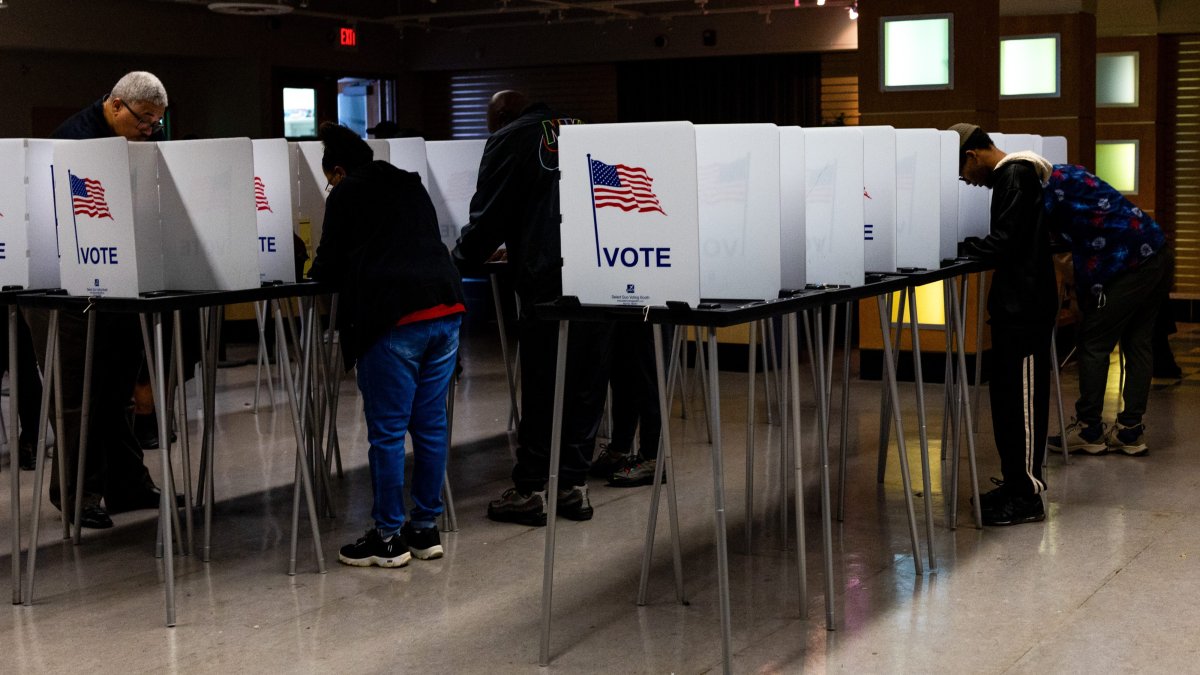
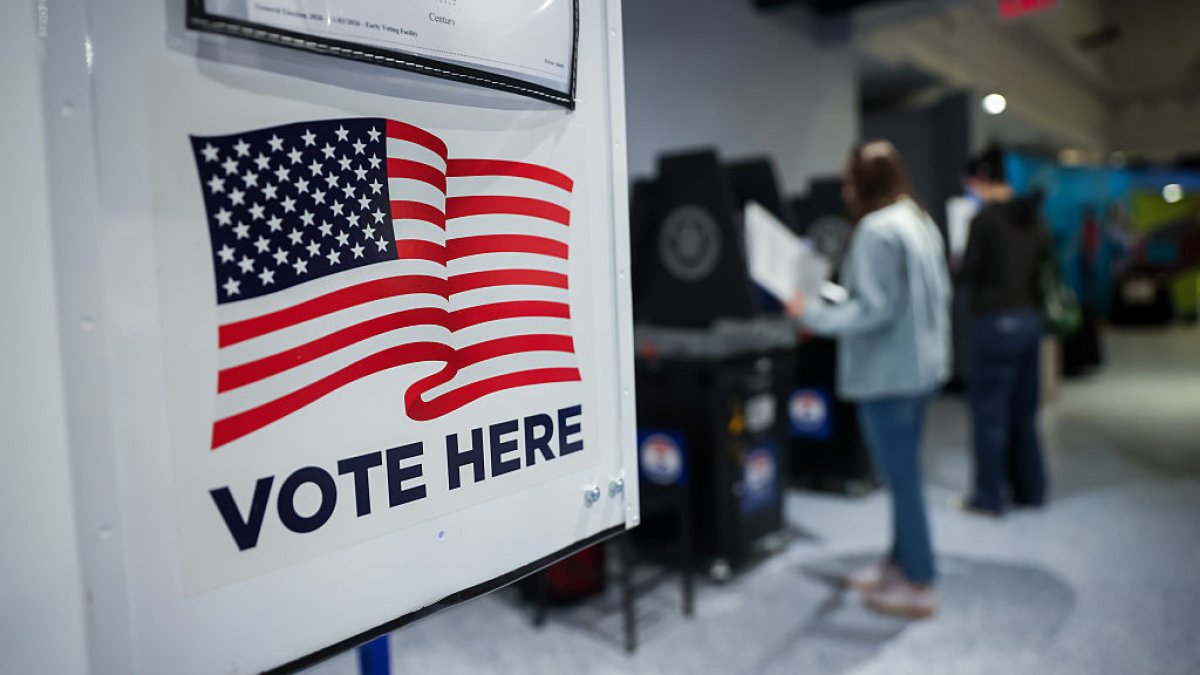
Voters across the tri-state have spent nearly the last two weeks casting ballots early ahead of the final day to head to the polls. The polls are open all day until 8 p.m. in New Jersey and Connecticut, and 9 p.m. in New York.
Once polls close, results will be released in batches. So, who actually decides when a candidate wins?
What happens after a voter casts a ballot?
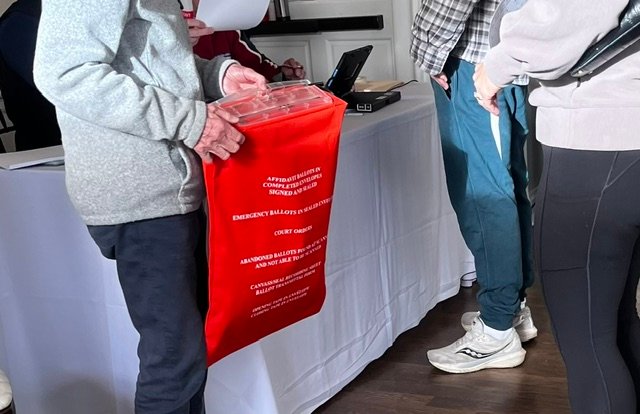
The exact journey a ballot takes after a voter fills it out depends on the state and how the vote was cast. For Election Day voting, ballots typically are submitted and totaled at local voting precincts, with the results (as well as the physical ballots and any accompanying documentation) sent to a central location, like an elections office for a county, parish or town, depending on the state. These “reporting units” collect results from all of their precincts and provide them to the state. The process for counting early in-person and mail ballots might be a bit different from those cast on Election Day in terms of when and where they are tabulated.
How long does it take to count the vote?
The time it takes to count all the votes in an election varies from state to state and from location to location within a state. Population centers with high concentrations of voters tend to take longer to count the vote. The more voters there are, the more votes there are to count.
Another important consideration is how the state handles mail ballots. About a third of states and Washington, D.C. allow mail ballots postmarked by Election Day to arrive within a few days or up to a few weeks after Election Day and still be counted, which would delay how quickly election results could be finalized.
States also vary as to when they allow elections officials to begin processing and counting mail ballots. Vote counting tends to be slower at election offices that are required to wait until after polls close to process a large amount of mail ballots, such as verifying voter information, taking the ballots out of their envelopes and stacking them to be counted.
In New York and New Jersey, during the 2024 election, 90% of votes were reported before midnight on Election Day.
When do results become official?
In most states, elections officials will begin to release results to the public on election night at both the county and state levels. These results remain unofficial until results from all voting methods are included and until election officials conduct a canvass of the vote. Results are not official until they are certified, which might not be until several days or weeks after Election Day, depending on the timeline laid out in state law.
Single-winner system
There are multiple methods for vote-tallying when it comes to U.S. elections. In the case of a single-winner system (when the outcome of a vote is a single winner), plurality and majority voting systems are likely outcomes. We’ll explain further.
But those aren’t the only two options. New York City also uses ranked-choice voting to determine a single winner. This system largely plays out during a primary season when candidates need to be whittled down within party.
Certification
After votes are cast in an election, officials are responsible for carrying out a certification process in the following weeks to ensure true and accurate results.
Election winners are publicly called after polls close on Election Day, but the results are not official until they go through a certification process in the weeks following an election. The certification process ensures a true and accurate count.
To certify an election, officials issue a written statement to confirm the results after auditing voting equipment and mail-in, early and election ballots. Elections may be certified by a multi-member board or a single elected official, depending on sate or local laws.
While certifying an election has historically been a nonpolitical formality, elections officials have faced increased pressure in recent years to block certification in contentious races.
Ver nota original ↗
¿Querés un resumen rápido de esta noticia, hecho por nuestra IA?