Local school districts face millions in potential cuts after voters reject levies
Several school districts across Greater Cincinnati are facing difficult financial decisions after voters rejected funding levies Tuesday, leaving administrators to consider millions of dollars in budget cuts that could affect teachers, academic programs and student services.
From North College Hill to Fairfield and Lebanon, school leaders say the election results have not changed their financial challenges. While some districts are already preparing to eliminate positions and programs, others have more time to determine their next steps.
The failed levies come as districts grapple with rising operating costs, changes to Ohio's school funding system and concerns about the financial burden on taxpayers.
Winton Woods begins spending cuts after levy failureWinton Woods City Schools has begun implementing spending reductions after voters rejected a 6.95-mill operating levy Tuesday.
According to unofficial results from the Hamilton County Board of Elections, the levy received 44.38% of the vote, with 4,851 votes in favor and 6,080 against.
The district announced Wednesday that it is moving forward with a contingency plan approved by the board of education in September.
Three changes took effect immediately: a hiring freeze, restrictions on employee overtime and suspension of the district's Transportation Call Center.
Additional reductions will begin Dec. 1, including restrictions on student clubs, organizations and activities across all grade levels. The district will also reduce summer school offerings and limit field trips unless grants or other funding sources cover the costs.
Beginning Jan. 1, Winton Woods will suspend before- and after-school tutoring and enrichment programs.
Other reductions include delaying capital improvement projects, limiting professional development, using fewer substitute teachers when possible and postponing some curriculum material purchases. Families will also receive report cards, progress reports and other school communications electronically rather than through printed materials.
"We respect the decision our voters made, and I want to thank everyone who took the time to learn about the levy and cast a ballot," Superintendent Steve Denny said in a statement.
Denny said the district released its contingency plan before the election so families and employees would understand what could happen if the levy failed.
"We know these changes will be felt by our students, families, and staff," he said. "What hasn't changed is our commitment to every student who walks through our doors, and we'll keep our families and staff informed every step of the way."
The rejected levy would have generated approximately $5.35 million annually to support district operations.
School Board President Angela Knighten said the board will continue reviewing the district's financial situation during public meetings, beginning with a work session Nov. 9.
Treasurer Randy Seymour said his office will update the district's five-year financial forecast in the coming weeks.
"Any further decisions about the budget, or about whether to place a levy on a future ballot, will be made by the board in public session," Seymour said.
Families will receive additional information directly from their schools about changes affecting specific programs and activities.
North College Hill faces nearly $2 million in additional cutsNorth College Hill City Schools is preparing to make another $1.8 million in reductions for the 2027-28 school year after voters rejected a proposed 1.25% earned income tax.
Superintendent Eugene Blalock said the district was scheduled to meet with the Ohio Department of Education and Workforce on Wednesday to present its financial reduction plan.
"I am extremely disappointed in the failure of our 1.25% Earned Income Levy," Blalock said in a statement.
The district had already eliminated several programs before the start of the current school year, including fifth- and sixth-grade band, soccer, high school jazz band and several student support programs.
In an interview with WCPO before Election Day, Blalock warned that another round of reductions could eliminate between 10 and 15 positions, including teachers, support staff and coaches.
The superintendent has maintained that the district's financial challenges are not the result of excessive spending, but rather a school funding system that has left the district without anticipated revenue.
Blalock previously told WCPO that North College Hill should have received more than $8 million under Ohio's Fair School Funding Plan this year but received only $1.8 million.
Despite the outcome, Blalock acknowledged the financial pressures facing residents.
"As the Superintendent and a resident, I am thankful for all the support, but I understand everyone is being stretched due to the current economy," he said.
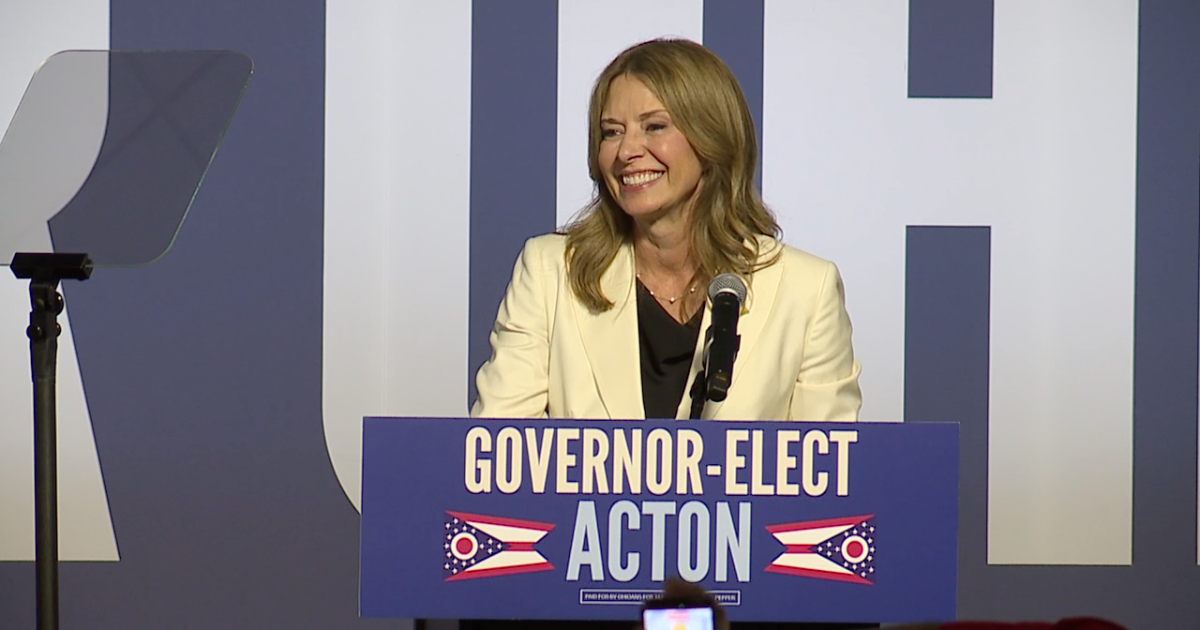
Blalock also expressed hope that Gov.-elect Amy Acton would follow through on her campaign promises to prioritize funding for Ohio public schools.
Fairfield warns of approximately $11 million in reductionsFairfield City Schools faces an even larger financial challenge after voters rejected its funding proposal.
Superintendent Billy Smith said the district will have to implement approximately $11 million in previously identified reductions if it cannot secure additional revenue by the end of the current school year.
Those reductions would take effect at the beginning of the 2027-28 school year and could significantly affect services, programs and opportunities available to students.
"What has not changed is our financial reality," Smith said in a statement following the election.
Smith and Treasurer Jay Phillips plan to discuss the district's next steps during the Nov. 12 board of education meeting, including the possibility of returning to voters with another ballot issue in May.
In a separate letter to staff, Smith acknowledged the emotional toll of the election results.
"I know this morning brings disappointment, worry, and broken hearts among staff, students, and community members across our District," Smith wrote.
He thanked employees for their efforts to educate the community about the district's financial needs and said the administration would continue communicating with staff and families as decisions are made.
Northwest Local faces $7 million in cuts after levy rejectionNorthwest Local School District is preparing for approximately $7 million in budget cuts for the 2027-28 school year after voters rejected a proposed 1.5% earned income tax Tuesday.
The five-year levy was expected to generate approximately $32 million annually to support the district's daily operations, including employee salaries and benefits, educational supplies, technology, building maintenance and extracurricular activities.
Unlike some other school funding proposals on Tuesday's ballot, Northwest's levy was intended to replace two existing property tax levies rather than simply add another source of revenue.
The district's current property tax levies are scheduled to expire in 2027 and 2029. Had the income tax passed, Northwest planned to phase out those levies over approximately 18 months.
Instead, more than 57% of voters rejected the proposal, leaving the district to address its projected budget shortfall.
District officials had warned before the election that the additional funding was needed to maintain existing programs and services.
Without the revenue, Northwest plans to implement cost-saving measures, including raising student pay-to-participate fees to $800 per student.
The proposed earned income tax would have applied to qualifying wages and other earned income, rather than retirement income such as pensions and Social Security benefits.
District officials had presented the proposal as a way to shift part of the school funding burden away from property taxes while maintaining revenue for operations.
Lebanon anticipates future staffing and program cutsIn Lebanon, voters rejected a proposed 1% earned income tax that district leaders had hoped would stabilize funding amid rising costs and changes to state property tax laws.
Unlike some neighboring districts, Lebanon has not yet identified specific positions or programs that would be eliminated.
The district's financial projections show an $8.5 million annual deficit by 2030, growing to $11.2 million in 2031. District officials previously estimated that recent state property tax changes would reduce anticipated revenue by $13 million over four years.
Superintendent Isaac Seevers told WCPO on Wednesday that Lebanon has already taken steps to control expenses, including transportation efficiencies and changes involving insurance.
However, he acknowledged that significant future reductions would likely affect employees and educational programs.
"Over, you know, around 80% of our budget is people, and so the only way that you can make a significant impact to a school district's budget is by reducing staff and reducing people," Seevers said. "If we get to that point in time, it would be people; it would be programs," he added.
Seevers said the district will spend the coming months evaluating potential reductions and determining how to minimize their impact. He attributed the accelerated financial challenges partly to property tax legislation passed by Ohio lawmakers in December 2025, which he said changed the district's anticipated revenue.
Lebanon is not expected to return to the ballot in May. Instead, Seevers anticipates asking voters to consider another funding proposal in November 2027, potentially with a different structure or tax rate.
The superintendent said he does not interpret Tuesday's rejection as a lack of community support for public education. He said some residents told him they supported the schools but could not afford an additional 1% earned income tax.
"I'm not walking away from this no vote saying that people don't support Lebanon City Schools," Seevers said.
He also questioned whether Ohio's school funding structure places too much responsibility on local taxpayers.
Seevers said conversations with residents during the campaign highlighted concerns about the state's role in funding public education, an issue he believes extends beyond Lebanon.
Southwest Local faces additional reductionsSouthwest Local School District is also preparing for difficult financial decisions after voters rejected Issue 7, a proposed 0.25% earned income tax increase.
The district already has a 0.75% earned income tax that voters approved in 2006. That existing tax was not on Tuesday's ballot and remains in place.
Southwest Local has identified more than $3 million in reductions since 2025, according to district materials. District officials previously warned that additional reductions could affect elementary art, music and physical education, reading support and mental health services.
Superintendent John Hamstra said the district remains committed to serving students but will have to adjust its operations without additional revenue.
"Without additional revenue, we will need to make adjustments to how we operate and deliver services in order to reduce costs and live within our available resources," Hamstra said in a statement. "Some of these decisions may be difficult, but we will approach them thoughtfully, keeping students at the center of the process."
Bethel-Tate loses operating levy renewalBethel-Tate Local Schools is also evaluating its financial future after voters rejected a five-year operating levy renewal.
The renewal would have continued providing approximately $1.51 million annually to support district operations.
Interim Superintendent Christen Davis said administrators and the board of education will review the district's finances in the coming weeks before determining what changes may be necessary.
"The loss of this funding presents financial challenges for the district, but I have confidence in our ability to work together as we determine the path forward," Davis said in a letter to families.
The district will also monitor changes in state funding and await finalized county property reappraisal values to better understand its financial outlook.
Davis said the district remains committed to student achievement and responsible financial management.
What happens next?For school districts across Greater Cincinnati, the failed levies mean difficult decisions in the coming months.
Some districts, including Winton Woods, are already moving forward with spending reductions. Others face cuts beginning in the 2027-28 school year, while Lebanon has more time to evaluate its options.
Several districts could also return to voters. Fairfield officials plan to discuss a possible May ballot issue, while Lebanon anticipates another funding request in November 2027.
Beyond the immediate financial challenges, the election results raise broader questions about Ohio's school funding system and how much responsibility should fall on local taxpayers.
For students and families, the impact could mean fewer programs, reduced services and higher fees as districts work to balance their budgets without the additional revenue they sought.
This story was reported on-air by a journalist and has been converted to this platform with the assistance of AI. Our editorial team verifies all reporting on all platforms for fairness and accuracy.Ver nota original ↗
¿Querés un resumen rápido de esta noticia, hecho por nuestra IA?