Closing arguments next in Farwell trial. Did the defense create reasonable doubt?
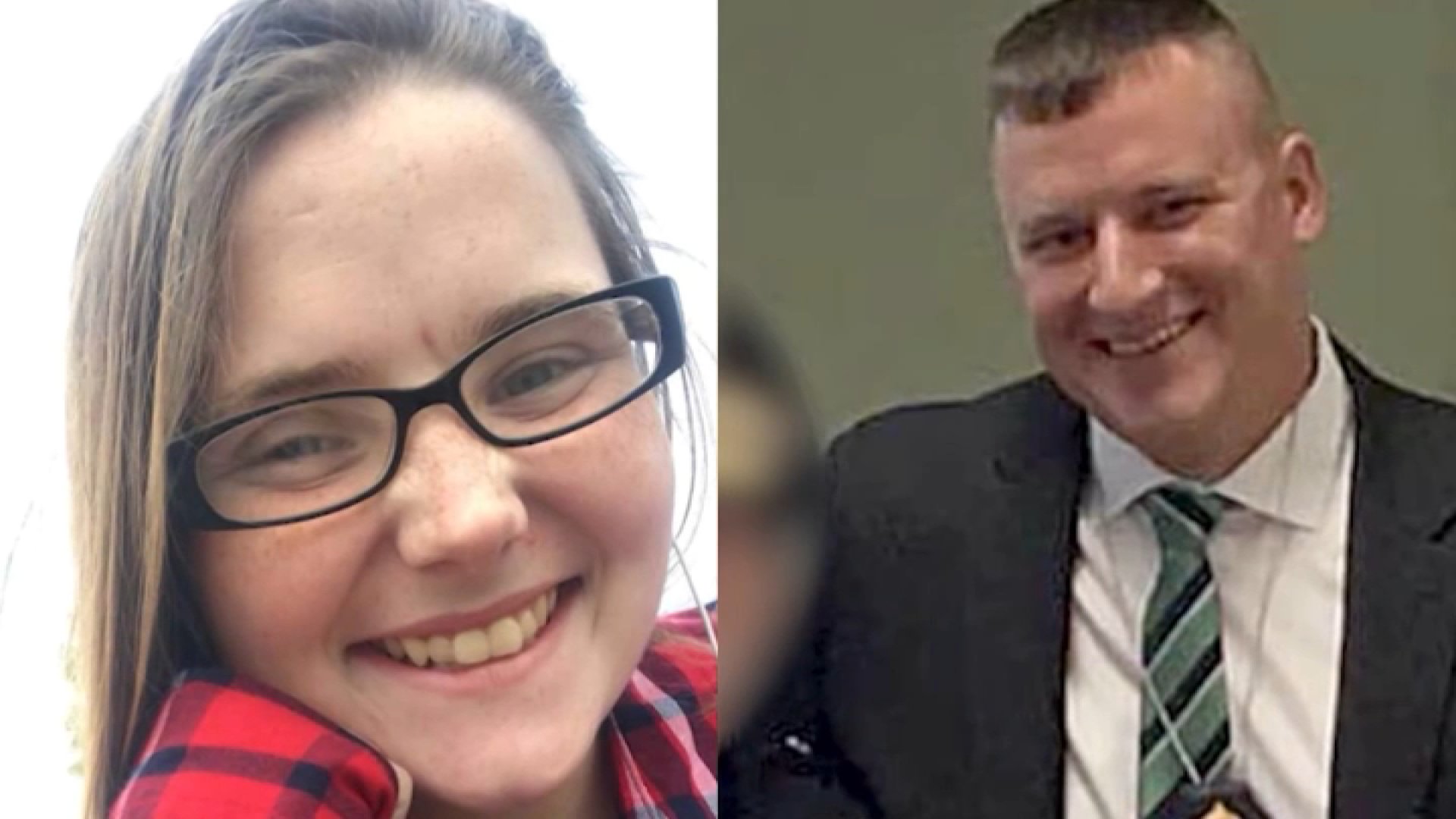
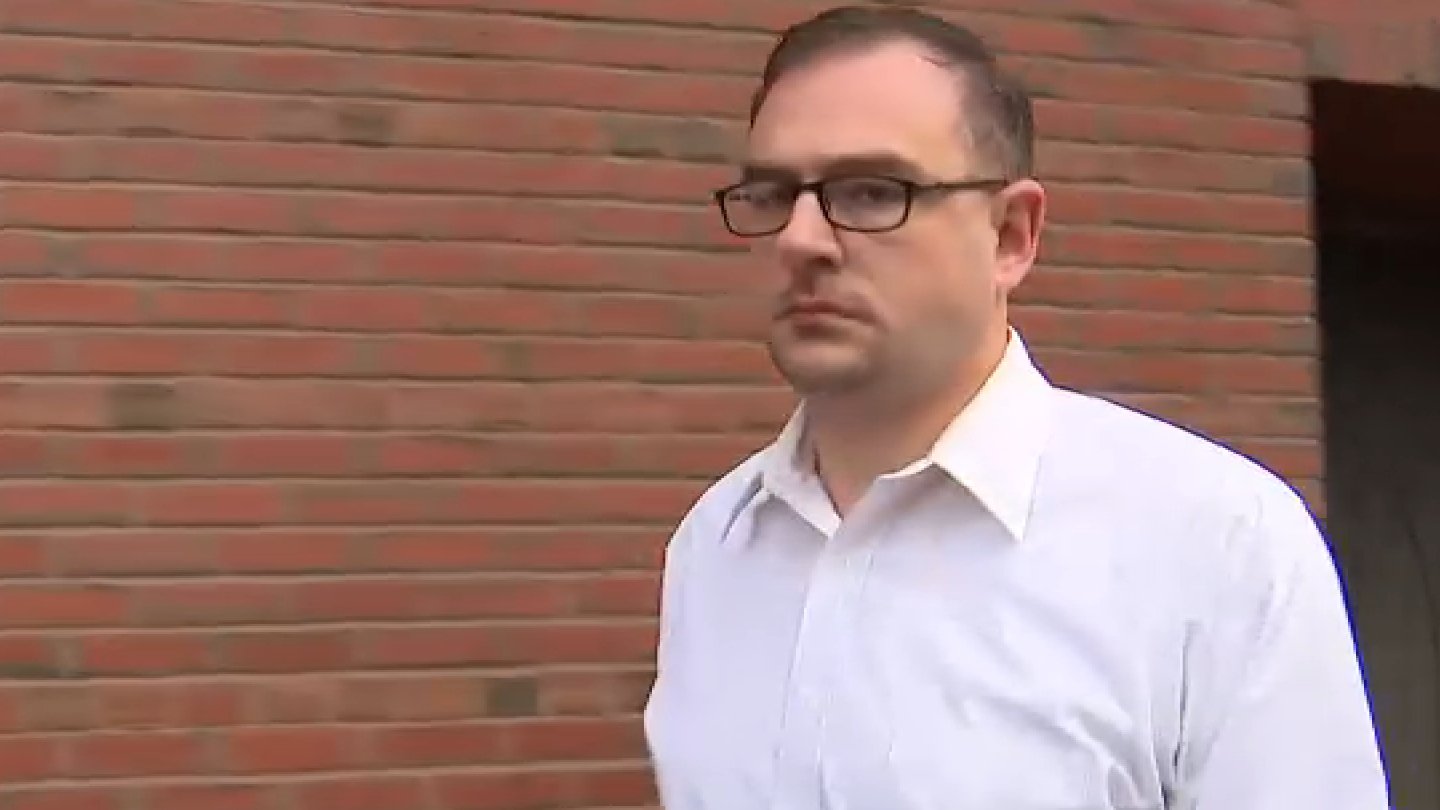
The defense has rested its case and closing arguments are expected Friday in the trial of Matthew Farwell, the ex-Stoughton cop accused of killing a pregnant Sandra Birchmore in 2021 and staging her death as a suicide.
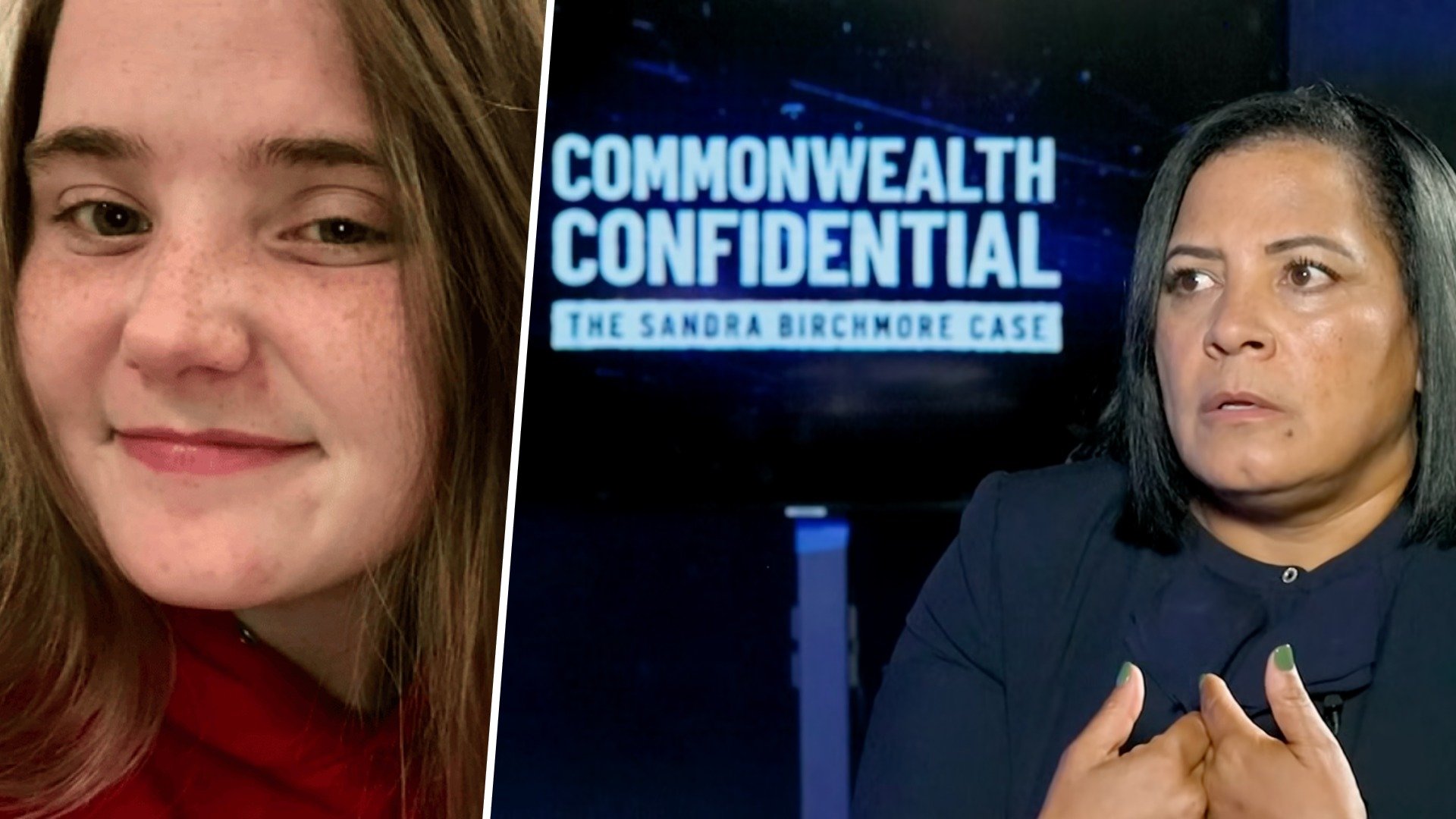
The final two defense witnesses testified Wednesday, and Farwell announced he would not take the stand. But did the defense do enough to create reasonable doubt? Not according to two legal experts who appeared on NBC10 Boston’s “Commonwealth Confidential” on Wednesday night.
“I do not think the defense has created enough reasonable doubt. I think there’s too much evidence showing a struggle,” attorney and law professor Margo Lindauer said. “We saw her hair, we saw scratches. Also, the manner of death is incredibly improbable to a reasonable person for self harm in that way.”
She also said the time stamps and Farwell’s proximity to Birchmore at the time that her phone activity stopped was “incredibly persuasive,” along with Birchmore’s testimony via text messages “that she was scared and scared of him and his behavior.”
“I think if I were a jury hearing what I have heard from the defense, I just don’t think they’ve reached their burden.”
Former prosecutor Margaret McLean found the defense’s case a bit more convincing, but only slightly. She said the final defense witness, forensic pathologist Dr. Thomas Andrew, was the strongest witness for the defense.
“I think of all the witnesses, maybe he moved the needle on a scale of one to 10 to a three,” she said. “He did create reasonable doubt that it’s possible this was not a strangulation but it possible based on her history of mental health and all the things she went through that it could be suicide.”
“I think if anything, they deliberately had him testify last because it does create somewhat of reasonable doubt as to the all important manner of death.”
But McLean said she does not think the defense had any “slam dunks.”
“No, I think of all the witnesses, [Andrew] h elped the most, but I think overall it’s a very strong case for the government.”
What to expect on Friday
Now that the prosecution and defense have rested their cases, closing arguments are scheduled for Friday.
Closings are expected to begin around 10 a.m., starting with the prosecution. Each side will have 90 minutes for their closing arguments, with the judge giving five minute and two minute warnings to each side.
The judge will then deliver jury instructions before the jury begins deliberations.
What to know about the case
Ahead of closing arguments, here’s a quick recap of the case:
When Birchmore was found dead in her Canton, Massachusetts, home, police quickly decided it was a suicide. From the start, her friends didn’t believe it.
The 23-year-old had recently learned she was pregnant — and was thrilled about it, they told police. The person upset about the pregnancy, they said, was Farwell, the married police detective she’d been seeing.
Five years later, Farwell, 40, is on trial in federal court, charged with killing Birchmore and staging her death to look like a suicide to hide that he had begun sexually abusing her when she was 15.
Also on trial, in a sense, is the original police investigation.
State police troopers working in the Norfolk County district attorney’s office never wavered from their judgment that Birchmore’s death was a suicide, according to federal prosecutors. Farwell was interviewed for just 15 minutes in a parking lot, they said. Investigators didn’t take notes, examine him for injuries or sample his DNA. Police did look at Farwell’s phone, but only after he’d deleted his texts with Birchmore.
“Not only did they not investigate, they very quickly told others, including the medical examiner, that this was definitively a suicide and there was no foul play,” Assistant U.S. Attorney Torey Cummings told jurors.
Among those they reassured was Farwell’s twin brother, Billy Farwell. He testified that the lead investigator — a longtime family friend — told him he wanted the case closed. Billy Farwell recalled the investigator saying that he needed the investigation like he needed a “bullet in the head.”
One of Farwell’s attorneys, Kimberly Stevens, acknowledged to jurors Farwell “had an affair” but insisted he is no killer.
“He has made regrettable mistakes. He is human,” Stevens told jurors. “Matthew did not kill Sandra Birchmore.”
The FBI began looking into Birchmore’s death in 2023, partly at the urging of a former deputy chief at the Stoughton Police Department, where Farwell worked.
Deputy Chief Brian Holmes had led an internal affairs investigation, but Farwell resigned before Holmes released findings that concluded Farwell had a sexual relationship with Birchmore.
An expert brought in by federal authorities, Dr. William Smock, concluded Birchmore was strangled with a duffel bag strap and that she struggled before dying.
Birchmore was 12 when she participated in a police mentoring program in Stoughton for children interested in careers in law enforcement. Farwell, who was 24, soon friended her on Facebook.
Years later, they would exchange 40,000 texts, some of which were read at the trial. In one 2020 text, Birchmore told Farwell she would never forget the day they first had sex: April 10, 2013, when she was 15 and Farwell was 27.
“Best day of my life,” Birchmore wrote.
“Me too,” Farwell replied.
In 2020, prosecutors said Birchmore pressed Farwell to get her pregnant — and threatened to tell his wife about their relationship if he didn’t. After she became pregnant late that year, she texted Farwell an image that read, “Congrats, we are going to be parents.”
Farwell responded that he had “nothing to say.”
When Birchmore suggested in a text that Farwell should be present when the baby was born, he replied: “You are truly the worst person on the face of the earth.”
In January 2021, a woman called Stoughton police and reported Farwell’s relationship with Birchmore.
Farwell was incensed, saying in a text to Birchmore, “You have no idea how bad what she did is.”
Twelve days later, on Feb. 1, 2021, Farwell texted Birchmore, asking to stop by her apartment. She said he was welcome.
Security camera video showed Farwell entering the building at 9:14 p.m. A digital forensics expert testified that Birchmore’s phone stopped moving at 9:40 p.m., three minutes before the lobby security camera recorded Farwell leaving.
Prosecutors say that during that time, Farwell killed Birchmore to prevent her from revealing their relationship. She was about eight weeks pregnant.
“It was no longer a matter of whether his crimes would be exposed; it was a matter of when,” Cummings, the prosecutor, told jurors. “He had lost control of Sandra. He had a real problem. He needed a way to silence her permanently.”
Farwell’s lawyer, Stevens, told jurors that Birchmore was a troubled woman who started taking psychiatric medication at age 6, attempted suicide as a teenager and was desperate after becoming pregnant. Birchmore was alone for the holidays and had less than $3 in the bank, Stevens said.
“She is worried. She is stressed. She is freaking out,” Stevens said.
Farwell, she said, went to Birchmore’s apartment to break up with her, not kill her.
The state’s medical examiner, relying partly on information from police, initially determined Birchmore died by suicide. The office has since changed the official cause of death to “undetermined.”
A paternity test revealed Farwell was not the one who impregnated Birchmore. It was Army recruiter Jason Pickard, who said he met Birchmore in 2019, when she was considering enlisting, and soon after started a sexual relationship. He testified that Birchmore told him Farwell was the father and that their relationship began when she was underage.
More on the Sandra Birchmore case

Ver nota original ↗
¿Querés un resumen rápido de esta noticia, hecho por nuestra IA?