‘You’ll subsidize it. You’ll have more of it’: Curley questions Mayor Wilson’s RV safe lots after permit veto
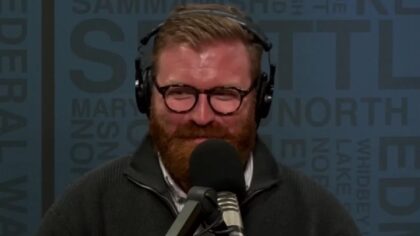
Seattle’s mayor and City Council are fighting over how to get RVs off city streets. KIRO host John Curley thinks both sides are missing the bigger question: what happens to the people living inside them.
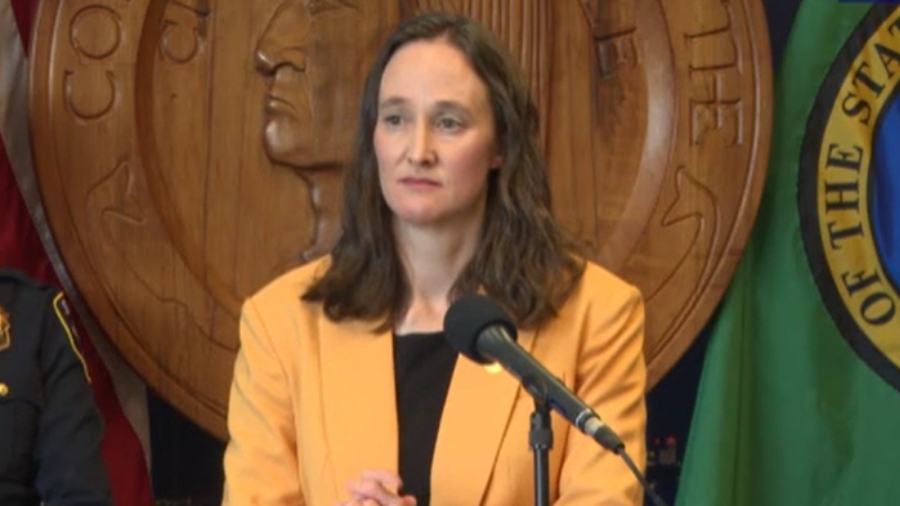
Mayor Katie Wilson vetoed the permit program at the center of the City Council’s RV legislation on Monday. She signed the other four ordinances in the package. A day later, she signed an executive order focused on outreach, safe lots, and a new city working group.
Curley, host of “The John Curley Show” on KIRO Newsradio, said neither approach answers whether the city is actually helping anyone get better.
“We don’t put people in hospitals and just keep them in the hospital,” Curley said. “‘Well, sir, looks like you got a bad appendix. So here’s how to work the TV.’ You fix the problem.”
Borrowing from San Francisco
Curley said Seattle’s council modeled its plan on San Francisco, describing California trends as a weather pattern that slowly blows north.
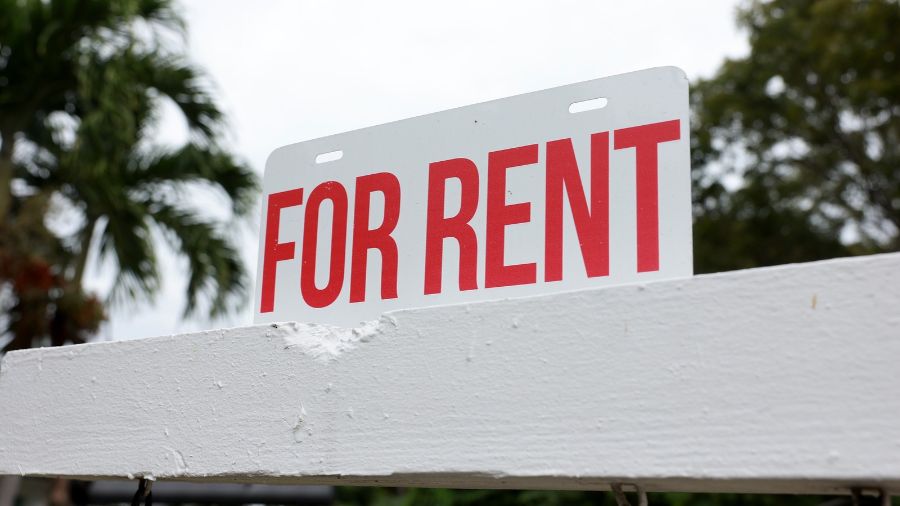
San Francisco counted the RVs on its streets, gave permits to people already living in them, and set a two-hour parking limit for everyone else. Under the program, the city’s Large Vehicle Refuge Permit covers people who were living in a large vehicle on May 31, 2025. Without a permit, RVs parked for more than two hours can be ticketed or towed.
Curley said the idea is to stop new RVs from arriving and slowly squeeze out the ones already there.
“They just don’t want more and more RVs coming to the city,” Curley said.
Seattle’s version worked much the same way. Under the vetoed program, people would get a permit through a one-time census, as long as they followed city laws and joined shelter waitlists. Without a permit, they could park on city streets for only up to two hours.
‘Good luck moving the thing’
Curley played audio of Wilson explaining her decision. She said RVs are the only shelter some people have, acknowledging some RVs cause real problems for neighbors, from garbage and noise to crime.
“Our City Council shares this view, which is why they recently passed well-intended legislation to set up a new permitting program for people living in RVs,” Wilson announced.
Curley said the permit plan assumed people living in broken-down RVs could navigate city paperwork and keep their vehicles moving.
“Do you even understand how these people’s lives are?” Curley asked. “All you got to do is come down to the city and fill out this form. Come on, a lot of these things can’t start.”
In her veto letter, Wilson questioned the cost of the one-time census and raised legal concerns about requiring proof of ownership and impounding RVs without notice.
Curley said towing has been a problem for years. He described RVs being towed to a lot, sitting there for weeks, and then being sold at auction for as little as a dollar. He said buyers would then drag the RVs back onto city streets and rent them out again to people living in them.
“Then it gets towed, goes back in,” Curley added. “They go through the same cycle.”
Safe lots and a working group
Wilson’s executive order directs available 2026 outreach money toward people living in vehicles. It also speeds up two RV safe lots and creates a working group with city departments, including the Seattle Police Department.
“This set of actions will deliver better outcomes for people living in vehicles, fewer people living in vehicles over time, and cleaner, safer public spaces for everyone,” Wilson said.
One of those lots, Glassyard Commons, will have 72 vehicle spaces and 20 tiny homes. It was supposed to open last summer but has been delayed to the end of November, according to The Center Square. The order doesn’t change the city’s 72-hour parking rule or create new towing rules.
Curley wasn’t sold on the safe lots.
“You’re in there with your RV, and the RV next to you is selling crack or meth,” Curley claimed. “Are there police in there? Come on. How much money do we continue to spend on these programs?”
Failing to address addiction, illness prolongs the problem
Curley agreed people shouldn’t be living in broken-down RVs. The real question is whether the city believes those people can get better, or just plans to house them indefinitely.
“Do you believe that that person could be a functioning member of society, and could live to their own full potential once they get around these problems that they have?” Curley wondered. “Or do we just put them somewhere, and then continue to pay $35,000 a year, whatever it is, and just allow them just to live there?”
He said housing people without addressing addiction or mental illness only grows the problem.
“You’ll subsidize it,” Curley added. “You’ll have more of it.”
RELATED STORIES


A fight at City Hall
The veto set off a fight at City Hall. Councilmember Dan Strauss, who sponsored the legislation, accused Wilson of breaking a promise not to veto it and said he wants the council to vote to override within two weeks, according to KING 5.
“At this point, I can’t trust her word,” Strauss said.
Councilmember Alexis Mercedes Rinck supported Wilson’s veto.
“A permit program that we can’t staff, can’t enforce, and can’t pay for does not meet that standard,” Rinck said.
Other KIRO hosts have also weighed in. Ursula Reutin said the broken promise hurts the mayor’s credibility, and Jake Skorheim and Spike O’Neill challenged Wilson’s reasoning for the veto.
Listen to The John Curley Show weekday afternoons from 3 – 7 p.m. on KIRO Newsradio, 97.3 FM. Subscribe to the podcast here.
Ver nota original ↗
¿Querés un resumen rápido de esta noticia, hecho por nuestra IA?