Jake: Seattle-to-Portland bullet train is a hilariously horrible idea
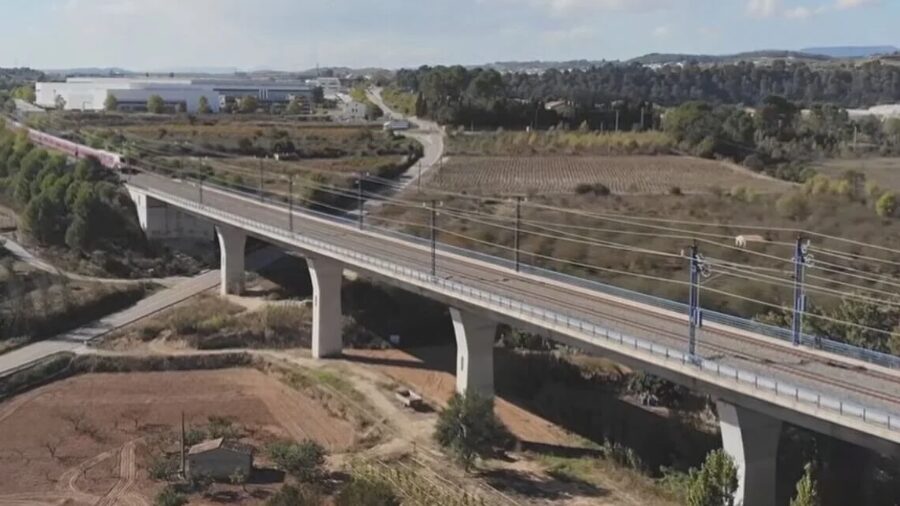
I’ve ridden high-speed rail all over Europe. It was a novelty, and it was convenient. But America is not Europe, which is why a Seattle-to-Portland bullet train is an awful idea.
There are plenty of reasons, but let’s zero in on the most obvious one: cost.
The best indicator of the future is past behavior, so look at California’s high-speed rail pipe dream. When it was proposed in 2008, voters approved $9 billion to build it. That ballooned to $33 billion, and the 800 miles of promised track shrank to a more manageable focus of a single stretch of about 119 miles.
The original 2020 completion date slid into the 2030s, and now sits somewhere in the 2040s. Current cost estimates are well over $200 billion. The project’s CEO just resigned after the media started asking questions about controversial expenses and the number of miles of track laid. So far? Zero.
Another train system, another ballooning price tag?
We’ve already seen this movie in Washington. Sound Transit’s light rail costs have ballooned, and I’m honestly shocked anyone thinks there’s an appetite for billions more on another train system.
Yet here we are: $42 billion for a Washington State Department of Transportation train that goes very fast between Seattle and Portland. Apply California’s track record to that number and the $42 billion estimate becomes $200 billion with ease, and likely closer to $300 billion, if it’s ever finished.
If you don’t follow big public works projects, those numbers might sound ridiculous. Then go look at ST3. Voters approved around $53 billion. Current completion estimates are near $200 billion.
The big selling point of this new high-speed rail is the projection that 3 million more people will move to the region by 2050. I think that’s optimistic given our high local cost of living and our state ranking almost last in the U.S. on tax competitiveness (even before the millionaires’ tax goes into effect), but let’s grant it.
RELATED STORIES



Would enough riders use it to justify the cost?
How often will someone moving to a place along the I-5 corridor actually travel between Seattle and Portland? How many people would make that trip regularly enough to justify a taxpayer bill this size? Look at light rail ridership, which isn’t great. Given train capacity and likely usage, the numbers just don’t add up.
I’m left with one conclusion: for a lot of these projects, the point is simply for government to spend your money.
No, thank you. If I want to get to Portland, I’ll take my truck. It’s a lovely drive.
Listen to “The Jake and Spike Show” weekdays from noon to 3 p.m. on KIRO Newsradio 97.3
Ver nota original ↗
¿Querés un resumen rápido de esta noticia, hecho por nuestra IA?