‘They can all come in’: Seattle schools superintendent says mergers could close 10 buildings, argues plan is about education
Seattle Public Schools (SPS) could close 10 school buildings under a proposed merger plan, but SPS Superintendent Ben Shuldiner said the goal is to improve education — not simply save money.
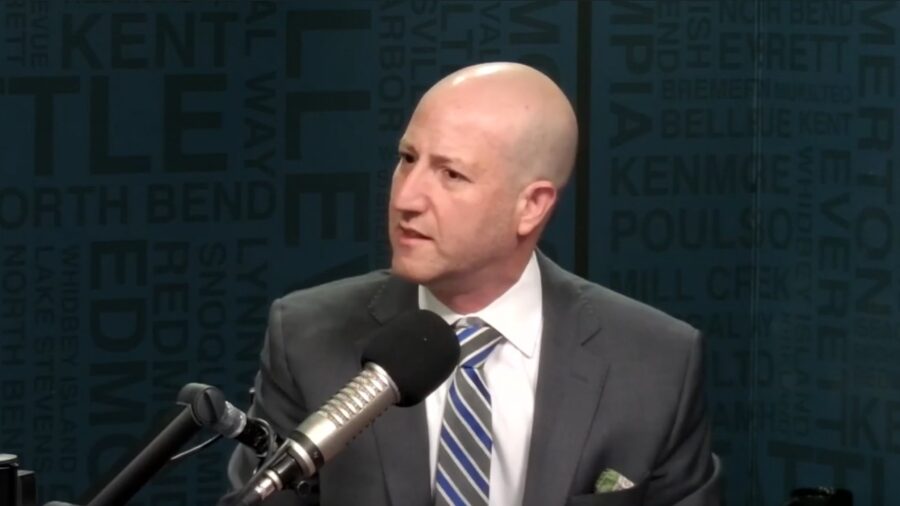
Speaking on “The Gee and Ursula Show” on KIRO Newsradio, Shuldiner said the district is considering combining 21 schools into 10 groups. The proposal remains subject to staff and family feedback, further review, and a School Board vote.
The approach, he said, is to move entire school communities into nearby buildings with enough room for everyone, rather than scatter students among different schools.
“We’re talking about the staff, the students, even the guinea pigs. They can all come in. They’d fit, and that’s why we’re doing this as a true merger,” Shuldiner said.
Why the superintendent supports school mergers
Shuldiner said visits to every school and more than 1,000 classrooms revealed structural problems, including classrooms combining multiple grades and schools with only one teacher at a particular grade level.
Those teachers lack a same-grade colleague to collaborate with, he said. He also pointed to differences in the availability of special education services.
“These mergers are really about what we think and what the research is very clear about is best for children,” Shuldiner said.
Asked whether a school could be removed from the proposal, he said the list could change throughout the review process.
The district has met with principals and is gathering feedback from faculty, staff and families before presenting a formal proposal to the board. Additional community meetings would follow.
“It’s possible that they vote against all of this,” he said.
District still spending more than it brings in
Although Shuldiner said savings are not the basis for the merger proposal, he described the district’s financial outlook as bleak.
“We’re still spending more than we’re taking in. We’re still dipping into our savings, and that’s a problem,” he said.
Shuldiner said the district has cut its budget by about $50 million in recent months, partly by leaving some vacant positions unfilled and addressing redundant spending.
He cited approximately 2,000 software programs as an example of an area needing tighter controls. Requests for new software now require review to demonstrate a need and establish whether an existing program could serve the same purpose.
Shuldiner said his goal is $100 million in savings by 2030. He described the district as projected to be “bankrupt next year,” but said he expects continued changes to prevent that outcome and allow reserves to grow.
He also believes better educational offerings and outreach can persuade families to return to Seattle Public Schools.
Closed buildings could remain community resources
KIRO host Gee Scott asked whether school closures could lead to district property being sold to developers.
Shuldiner said he does not want to sell the buildings and land. Instead, the district has discussed potential uses with community partners, including satellite libraries, early childhood centers and community centers.
He also expressed interest in housing for teachers.
“How amazing would it be to create apartments for teachers so that they can actually live in Seattle and work in Seattle?” he said.
Those possibilities were discussed as ideas, not finalized plans.
Police outside schools, not patrolling hallways
School safety prompted a disagreement between Shuldiner and KIRO host Ursula Reutin over school resource officers.
Shuldiner said he favors close cooperation with police around campuses, at street corners and near bus stops, but does not want armed officers routinely patrolling school hallways.
“What happens inside the building, we, as a school district, need to take care of,” he said.
Ursula argued that school resource officers can hear information teachers and counselors might miss and help students build relationships with law enforcement.
Shuldiner said mentoring, coaching and other programs could foster those relationships without placing officers in hallways.
He also supported fences, cameras, secure entrances and community discussions about weapons detectors. He said the board has authorized a detector pilot, but consultation with participating schools is continuing.
RELATED STORIES
Superintendent says recess is not being eliminated
Shuldiner also addressed concerns about elementary school recess.
He said a draft schedule proposed two recess periods, matching what roughly 75% of elementary schools already offered. Schools that previously had three could request a waiver, provided they demonstrated that required instruction would still be delivered.
More than 15 schools had already received waivers, he said.
“Hey, you want to have four recesses? That’s fine,” Shuldiner said, emphasizing that schools still must meet district and state requirements.
Watch the full discussion in the video above.
Listen to Gee and Ursula on “The Gee and Ursula Show” weekday mornings from 9 a.m. to 12 p.m. on KIRO Newsradio.
Ver nota original ↗
¿Querés un resumen rápido de esta noticia, hecho por nuestra IA?