Chicago voters overwhelmingly supported vacancy tax to help fund Chicago Public Schools
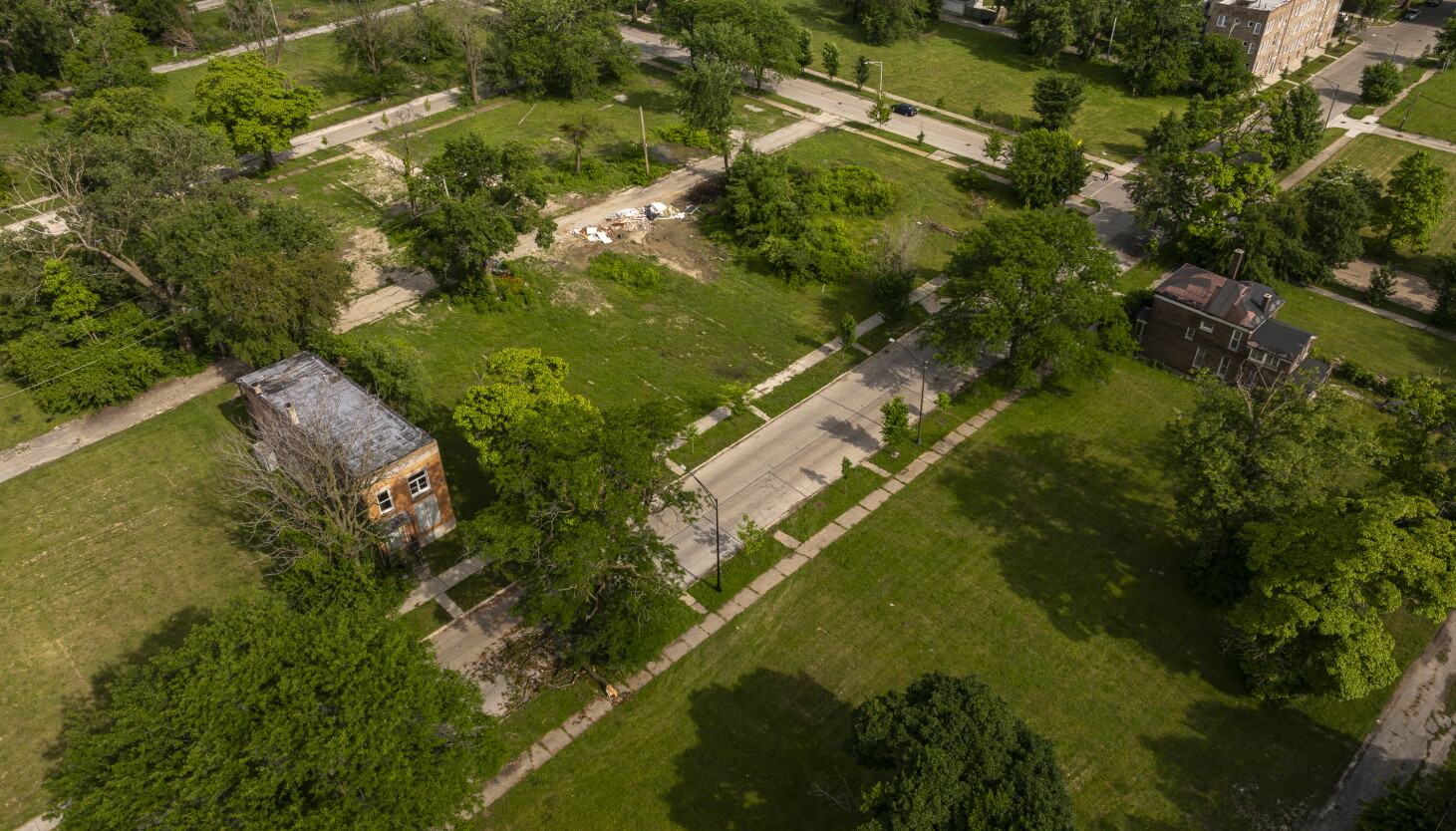
Many Chicagoans consider the thousands of vacant lots scattered across the city to be an eyesore. And on Tuesday, a number of them said the lots should be a source of revenue for Chicago Public Schools.
Nearly 74% of Chicago voters were in favor of a referendum that would hit the owners of vacant or undeveloped property in the city with an annual tax that would support CPS. About 26%, or 163,655, of the city's 624,339 voters were against the idea.
The ballot question wasn't binding, meaning the tax won’t go into effect unless it’s introduced and then approved by the City Council.
CPS board members believe the results show there’s a will to make the vacant property tax a reality.
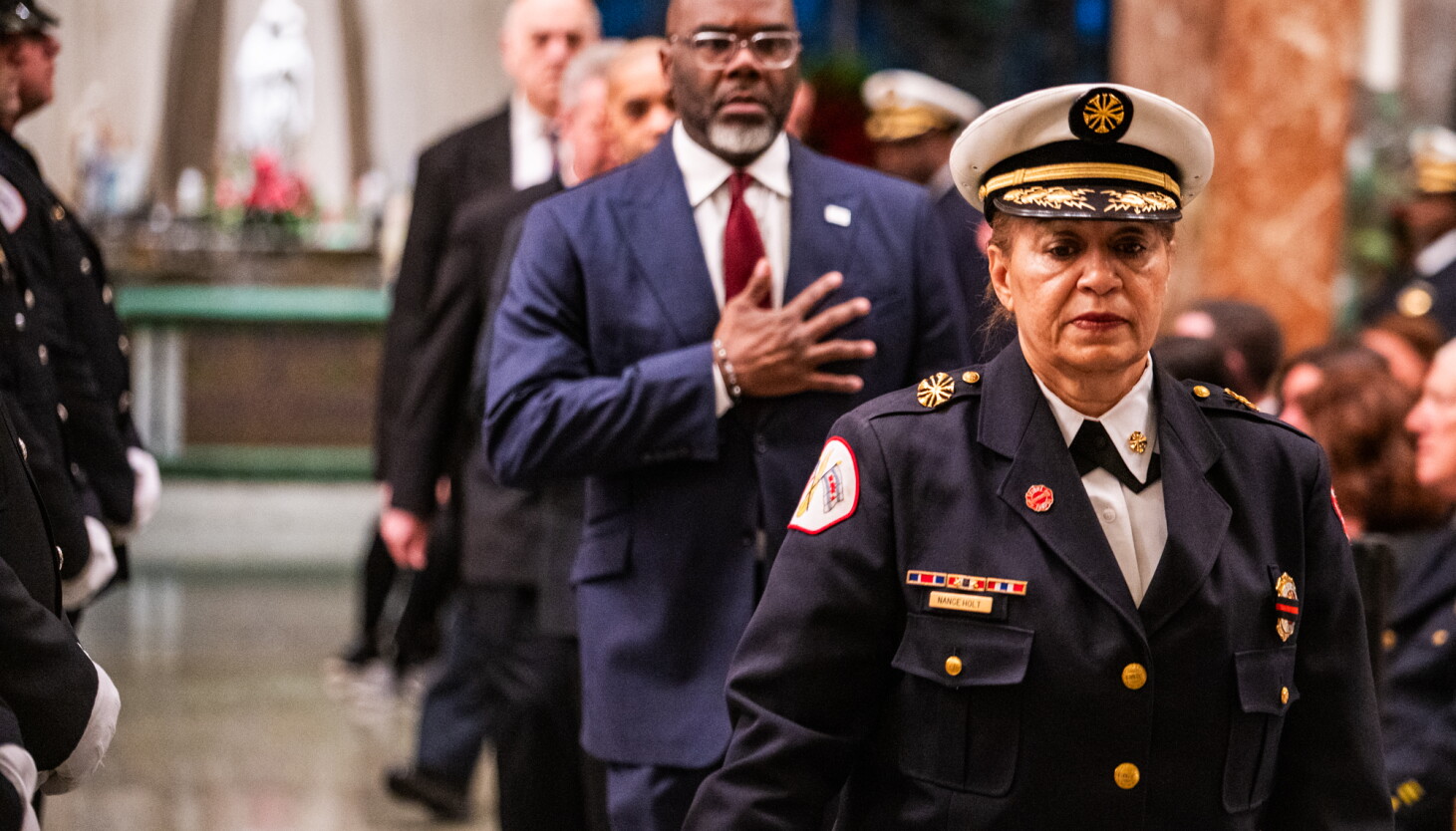
“We have a very divided City Council, but all of these people are up for election,” said Debby Pope, who retained her school board seat following Tuesday's closely watched District 2b race. “I imagine if [the referendum] got such a good mandate percentagewise … people who are running for election will have to take note.”
The referendum said the tax would be on “owners of long-term vacant or undeveloped commercial or investment properties,” but it didn’t specify what is considered long-term. It also didn't say a tax rate, making it unclear how much the so-called annual charge would amass for CPS, which faced a $730 million deficit entering this school year. The deficit would have been nearly $900 million if it hadn’t raised property taxes to the limit, the Sun-Times previously reported.
Taxes on vacant or blighted property aren’t new. Washington, D.C., implemented a vacancy tax in 2011, setting a higher tax rate for vacant and blighted properties. Baltimore approved a vacancy tax in 2024, which charges property owners three times their initial property tax rate the first year a building is deemed vacant and four times the tax rate each subsequent year. Baltimore’s vacancy tax went into effect July 1.
A spokesperson for Mayor Brandon Johnson said the administration understands concerns about underutilized properties and the importance of putting them back to productive use. They pointed to the mayor’s Missing Middle Infill Housing program, which has created hundreds of new homes across the South and West sides by selling vacant lots to developers for $1.
“We believe vacant properties should be opportunities to strengthen our neighborhoods, create economic opportunity, and improve quality of life for residents,” the mayor’s office said in a statement. “We hear what Chicagoans are saying and remain committed to finding ways to put these properties to better use for the people of our city.”
Pope, a retired teacher, who was backed by the Chicago Teachers Union, said she saw firsthand how vacant lots near schools can become dumping grounds and a source of blight in communities. And a tax would stop vacant lots from becoming an eyesore — and a danger to neighbors, she said.
“It just disincentivizes people from holding on to them,” Pope said.
CPS board member Michilla Blaise, who’s leading the District 5b school board race, said a vacancy tax would help solve two separate but related issues: the need for increased CPS revenue and the ability to position land for its highest and best economic value.
Although the proposal sounds great on paper, creating an actionable policy would be tricky and could slow future development.
Celadon Partners CEO Scott Henry said he understands CPS’ funding needs, but he thinks a vacancy tax isn't the right approach for both spurring development and supporting the school district.
“When I think about a vacant building or a vacant piece of land in Chicago, there's a really good reason why it's in that condition,” Henry said. “In a lot of situations, piling a fine on just makes a bad situation even worse. I don't know how collectible the fines would be. Implementing something like this just adds to the list as to why it's so difficult to do business in Chicago. We need to be creating programs or processes that create certainty and predictability if we're going to attract developers and investors back to the city.”
Henry said a feasible alternative would be allocating the city's tax increment financing to encourage developers to redevelop vacant properties. The city could then charge a one-time “impact fee” on developers — which could support CPS.
“It would be more predictable,” Henry said. “CPS probably would get a lot more revenue out of it, and at the end of it, we'd end up with a brand new redeveloped property that's generating revenue, providing quality housing and improving these neighborhoods.”
Ver nota original ↗
¿Querés un resumen rápido de esta noticia, hecho por nuestra IA?