Bird flu detected at commercial poultry facility in Pierce County
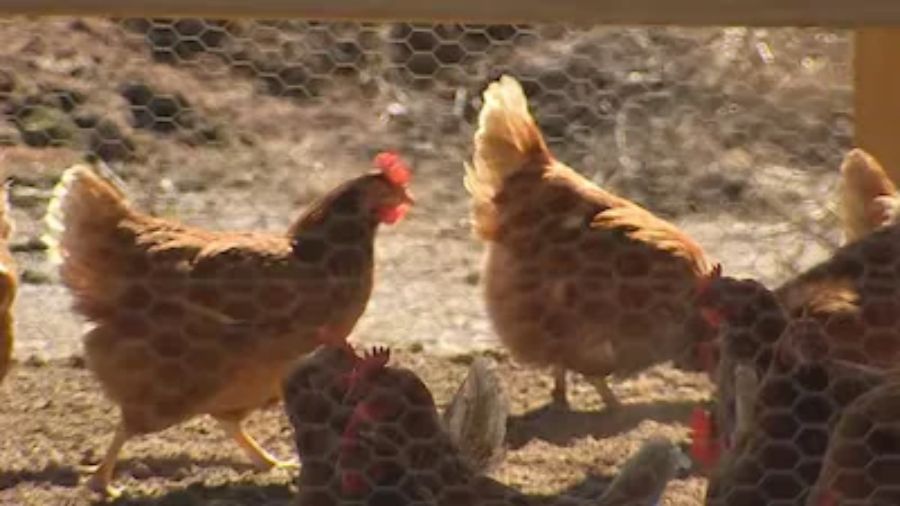
The Washington State Department of Agriculture (WSDA) announced that bird flu was detected in a “commercial poultry facility in Pierce County.”
WSDA did not specify which facility the bird flu was detected in, but said that the risk to the general public is low.
KIRO 7 has reached out to WSDA for clarification.
This is the first detection in a commercial poultry facility in Washington this year.
No human cases of bird flu have been identified at the facility to date.
“WSDA is working with the affected facility and their veterinarian to respond to the detection and limit the risk of further spread. The facility is under quarantine, and appropriate disease control measures are being taken. Eggs from affected birds will be destroyed and will not enter the food supply, and chicken and eggs from other farms remain safe to eat,” WSDA wrote.
“The most important thing you can do to protect your flock is to keep your birds away from wild waterfowl or shared environments, including ponds. The first thing you may notice in your flock is sudden onset of sick birds or sudden death, and you should call our sick bird hotline immediately,” said Dr. Amber Itle, Washington State Veterinarian. “When handling sick birds, workers and caretakers should wear appropriate personal protective equipment (PPE) to protect animal and human health by reducing exposure to viruses.”
According to the Tacoma-Pierce County Health Department, here’s how to prevent avian flu:
- Do not touch wild birds or animals; observe from a distance. Wild birds and other animals can carry avian influenza even if they appear healthy.
- People with job-related exposures to infected birds or other infected animals or their environments should take additional precautions, including wearing recommended PPE.
- Avoid raw (unpasteurized) dairy product consumption. Avoid feeding raw dairy products and poultry products to your pets.
- Talk to your healthcare provider about getting the seasonal flu vaccine. Although it does not prevent bird flu, it reduces the risk of co-infection with human and avian influenza viruses.
Protecting your birds
Flock owners within 6 miles of a detection are in a surveillance zone and are encouraged to self-report the health of their flock. WSDA recommends using the online surveillance self-reporting tool and interactive map to determine if you are in a surveillance zone.
Measures to take:
- Keep birds housed in their coop, or in covered runs.
- Prevent access to water sources, ponds, or lakes.
- Keep domestic species separate (e.g., domestic waterfowl and poultry).
- Store feed in sealed containers and clean up spilled feed promptly.
- Limit visitors to your coop.
- Avoid sharing equipment with other flock owners.
- Employ wild bird and wildlife mitigation strategies.
Ver nota original ↗
¿Querés un resumen rápido de esta noticia, hecho por nuestra IA?