How to grade the next Congress on Wyoming’s cost of living
I ran for Wyoming’s U.S. House as a Republican in this year’s primary. Now my wife and I have a newborn son, and we’re adjusting to a new rhythm: sleepless nights, dirty diapers and the usual worry about keeping up with the bills. Naturally, that has changed how I see these midterm results. I’m looking at them as a father who wants the next two years to be steadier for Wyoming families than the last few.
Opinion
On Tuesday, Democrats won both chambers in convincing fashion. They will hold at least 54 Senate seats with two races still uncalled, and the House majority will land somewhere in the neighborhood of 260 seats. A massive loss for the Grand Old Party. Predictably, national coverage tied the sweep partly to voter frustration over rising costs, the same worry Wyoming voters put first in a recent survey.
Unified control of Congress is not unified control of Washington. President Donald Trump still holds the veto, and most bills still need 60 Senate votes unless Democrats change the filibuster. What Democrats can do on their own is run committees, write spending bills, hold hearings and confirm or block nominees, and each of those touch Wyoming’s energy permits, public lands and housing. So, for Wyoming, expect more oversight than new law, and expect it to show up as delay and uncertainty rather than a single marquee vote. For a Wyoming family, the question is what that does to the cost of living. Here’s how I’ll be watching it.
The University of Wyoming’s 2026 Election Year Survey asked 660 residents to name the single most important problem facing the state. Forty percent chose the economy and cost of living as their top issue, a category that includes inflation, jobs, wages and taxes. That is nearly three times the share for any other issue, and it led among Republicans, Democrats and independents alike. Fifty-two percent said the state economy got worse over the past year.
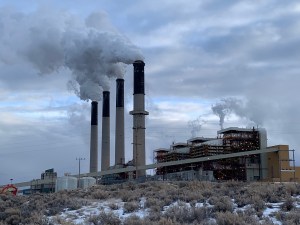
The first place that pressure will show up is the energy sector. Oil, gas and coal underwrite a large share of state revenue, local jobs and the tax base that funds schools and roads, from the Powder River Basin to Sweetwater County. Over the past decade these industries have generated nearly $18 billion in state revenue. Democratic chairs will now lead the committees that oversee energy, appropriations and federal lands, so expect more aggressive hearings and scrutiny of leasing and permitting. The veto and the filibuster will limit what becomes law, but there will still be delay and uncertainty, and the new majority will have leverage in spending bills and on federal nominees. Watch whether federal lease sales, drilling permits and mine approvals in Wyoming keep moving on schedule or slow. Any delay from Washington will show up as slower investment and tighter local budgets.
Housing is the second place families will notice Congress’ impact. In the same UW survey, 28% of renters spend more than 40% of their income on housing. A Democratic Congress is more likely to pass new housing spending, but relief that reaches young families in a state with tight inventory is not guaranteed. One bipartisan idea is waiting: Since 1997, homeowners have been able to exclude $250,000 in profit from a home sale from capital gains tax ($500,000 for couples), and Congress has never adjusted that for inflation. That cap keeps longtime owners from selling and locks away inventory. Watch Wyoming rents, home prices and mortgage rates, and whether Congress can move a bill that meaningfully addresses housing costs.
The war with Iran was another key issue for voters across the state and has already hit Wyoming’s fuel pumps. Wyomingites drive long distances to work, shop and see doctors, so higher gasoline and diesel prices, and the groceries trucked in on diesel, hit hard here. Watch how Congress tries to reassert itself in national security decisions.
Then there is the long-term game: the rules themselves. A Democratic Senate can slow or block President Trump’s judicial picks, and that matters for Wyoming, whose federal cases go to the 10th Circuit Court of Appeals. If a Supreme Court seat opens during the lame duck, expect a standoff rather than an easy confirmation. Since Loper Bright Enterprises v. Raimondo ended deference to federal agencies, BLM, EPA and Interior rules on leasing, permitting and public lands face closer court scrutiny. That won’t change this winter’s heating bill, but it shapes the regulatory climate for years, and the costs families ultimately absorb.
The real test for both parties is whether members show the independent judgment John F. Kennedy praised in “Profiles in Courage” (a book that I’m reading in between diaper changes). Can Congress put families’ cost of living above the easier and flashier politics of confrontation?
The real test is this: Are Wyoming permits and lease sales moving? Are housing costs easing? Do prices at the pump and the store come down? The mandate of Nov. 3 is simple: Get the cost of living under control.
The post How to grade the next Congress on Wyoming’s cost of living appeared first on WyoFile .
Ver nota original ↗
¿Querés un resumen rápido de esta noticia, hecho por nuestra IA?