Amoeba infections leave 5 with permanent vision loss, 1 dead in this state

BATON ROUGE, La. (WAFB/Gray News) - The Louisiana Department of Health has identified 10 Acanthamoeba infections since 2024, including one fatal brain infection this year. The state epidemiologist said contact lens wearers should remove their lenses before showering, swimming or using a hot tub
Theresa Sokol, state epidemiologist for the Louisiana Department of Health, said Acanthamoeba is found in many environments.
What Acanthamoeba is
“Acanthamoeba are what are referred to as a free-living amoeba,” Sokol said. “These are single-celled organisms that live in the environment. They’re in soil, they’re in dust, and they’re in fresh and salt water.”
Sokol said the organisms also can be found in swimming pools, drinking water systems, and HVAC systems.
“Pretty much everyone is going to be exposed to Acanthamoeba during their lifetime,” Sokol said. “The good news is that most people exposed to Acanthamoeba aren’t going to get sick, but for a few people it can cause serious infections of the sinuses, of the brain, and sometimes of the skin and the eyes as well.”
Cases reported in Louisiana
Sokol said eight of the 10 infections since 2024 were eye infections. Seven of those eight people wore contact lenses, and five cases resulted in permanent vision loss.
“It’s a severe infection, even though it typically doesn’t spread to other parts of the body or result in death,” Sokol said.
The other two patients were reported this year, Sokol said. One had a sinus infection and the other had a brain infection. The patient with the brain infection died. Sokol said both patients had underlying medical conditions.
Sokol said the department is not releasing further details about the patients, including where they lived.
“We want to protect the privacy of the patients that have been infected,” Sokol said. “So we don’t share any more detailed information than that.”
She said the patients were located throughout the state. Sokol said the amoeba can live in tap water in any drinking water system in Louisiana.
“The amoeba can live in tap water anywhere in Louisiana or in the United States because it really takes a very, very high level of chlorination in order to kill these amoeba,” Sokol said. “It’s not a level that would be practical for use in drinking water systems.”
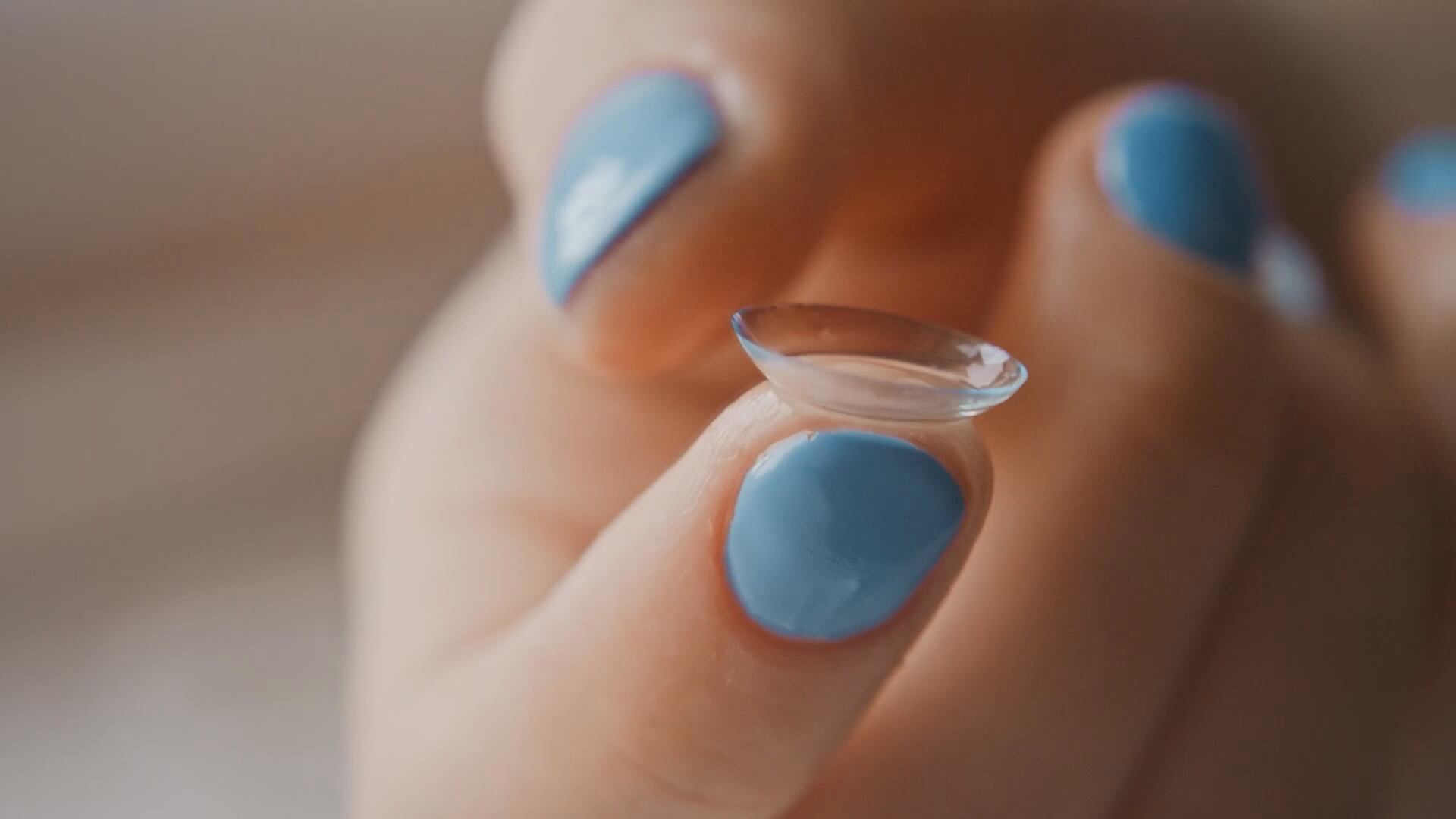
What contact lens wearers should do
Sokol said eye infections linked to contact lens use often occur in people who are healthy. She said some of those people did not follow the best contact lens hygiene or wore their lenses while swimming or showering.
“Contact lenses can absorb and hold water,” Sokol said. “If the lenses come into contact with tap water or swimming pools or some other water where the amoeba live, then those amoeba can sort of latch onto or get trapped beneath the lens, which is directly against the cornea. That’s where the infection happens.”
Sokol said contact lens wearers should:
- Wash their hands with soap and water and dry them thoroughly before handling lenses.
- Remove lenses before showering, using a hot tub or swimming.
- Clean and rinse lenses with the proper solution every time they are removed.
- Store lenses properly.
“You need to dry them thoroughly,” Sokol said of hands. “You don’t want to have your hands wet while you are handling them.”
She said leftover water on the hands can get into a lens.
“That’s the water that can then get into your contact lens perhaps and be absorbed or latch onto it and then just remain there,” Sokol said. “That’s what we’re trying to avoid.”
Sokol said getting water in the eyes while not wearing contact lenses has not been shown to be a risk for infection. She said a person who has had trauma to the eye or recent eye surgery might potentially have an opening. She said most infections are identified among people who wear contact lenses.
Symptoms, diagnosis and treatment
Sokol said symptoms of Acanthamoeba eye infections can look like those of other common eye infections. They include eye pain, redness, blurred vision, sensitivity to light, and excessive watering.
“It’s really best anytime you get any of those symptoms to just check with your healthcare provider,” Sokol said. “There are prescription treatments that are available.”
“The earlier you seek care, the more likely to have a positive outcome,” she said.
Sokol said symptoms could appear “several days or up to several weeks after exposure.” She said it can be hard to know when someone was exposed.
Sokol said the amoeba sometimes can be seen under a microscope. She said reference laboratories can run tests that identify the amoeba’s genetic material. The specimen depends on the type of infection, she said. A brain infection might require a brain biopsy, and an eye infection might be tested with fluid from the eye.
She said skin and sinus infections caused by Acanthamoeba often are treatable but can spread to other parts of the body, which makes them harder to treat.
“The brain infection that is caused by Acanthamoeba is oftentimes difficult to diagnose,” Sokol said. “If the diagnosis happens at a later stage, then sometimes that increases the risk that a patient may not survive that infection. However, several patients with that infection have been successfully treated in the past.”
Nasal rinsing, medical devices and tap water
Sokol said using tap water for nasal irrigation, or cleaning nasal irrigation devices with tap water, is a known risk factor for sinus and brain infections caused by Acanthamoeba.
“Tap water should not be used for nasal or sinus irrigation,” Sokol said. “It really can pose a risk of severe disease.”
Sokol said nasal irrigation devices can be used safely with water that is labeled sterile or distilled. Boiled and cooled tap water also can be used, she said.
She said people who use other medical devices that use water, such as a CPAP machine, should follow the manufacturer’s instructions and use safe water.
Sokol said sinus and brain infections occur mostly among people with weakened immune systems. She said those conditions include HIV, AIDS, a history of an organ transplant, cancer, and diabetes, among others.
“People who have a condition that weakens their immune system need to be especially aware of using the safe types of water in nasal irrigation devices or other medical equipment,” Sokol said.
Sokol said people can still shower with tap water. She said infection is not associated with swallowing or drinking tap water.
“There’s no need to be concerned,” Sokol said. “That’s not how Acanthamoeba infections happen.”
Ver nota original ↗
¿Querés un resumen rápido de esta noticia, hecho por nuestra IA?