Fake AI image fuels false claims that lions escaped from Akron Zoo
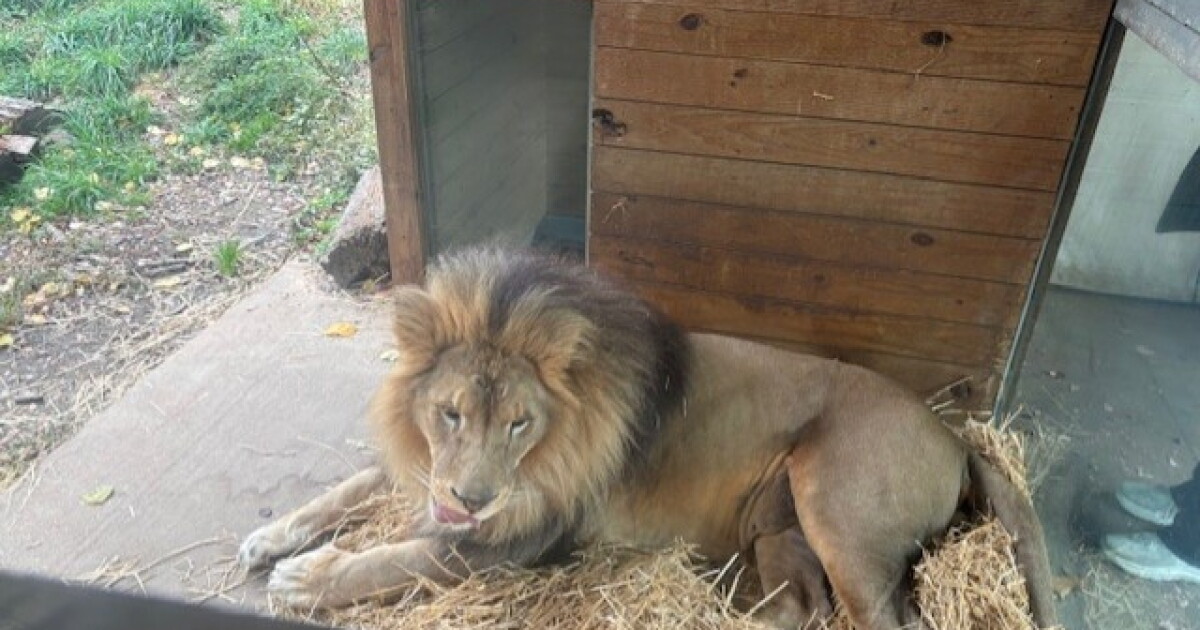
A social media post claiming two African lions escaped from the Akron Zoo sounded alarming. But zoo officials said the claim was a hoax, and all four lions are safe and accounted for.
The post circulating online included what the zoo identified as a false AI-generated image showing a lion near a garbage can in Akron.
The Akron Zoo said there had been inaccurate information circulating about its African lions escaping and stressed that the image being shared was fake.
Our lions remain in the safety of their habitat, the zoo said in a statement.
News 5 went to the zoo and confirmed that its lions, including Msinga, Katawba and Donovan, were safe in their habitat.
The false claims followed a safety exercise at the zoo involving Akron police and firefighters.
The Akron Zoo said it conducted a variety of safety drills Wednesday, Nov. 4, with the Akron Police and Fire departments.
The zoo is accredited by the Association of Zoos and Aquariums and said it is required to conduct at least four safety drills each year. Those include dangerous-animal escape drills.
To ensure the safety of our guests, volunteers and staff, we do an annual drill with APD and AFD, the zoo said.
The zoo also pointed people to its original Facebook post about the safety drill.
Several zoo visitors said the incident illustrates how easily realistic-looking AI images can spread misinformation online.
It's scary what people are doing with AI images and how easy it is to fool a lot of people, visitor Benjamin Wagner said.
Abbey Hoxworth said some people may post fake content simply to attract attention.
You know, I think people are bored online. I think that people want views and attention and are willing to do what they want to get it done, Hoxworth said.
Visitor Isabelle Grauel said false claims involving escaped zoo animals can have consequences even after they are proven untrue.
It's dangerous too because it's, like, most people want to come to the zoo, and that's always going to be on the internet now, Grauel said.
Hoxworth added that misinformation makes people nervous for no reason. It makes people skeptical of everything.
Security expert Tim Dimoff called the proliferation of deceptive AI-generated content a really strong, dangerous trend.
Dimoff said people who encounter a questionable or alarming social media post should seek confirmation from legitimate sources before sharing it.
In this case, he said that means checking official sources such as the Akron Zoo and Akron Police Department.
Because if there's something dangerous or alarming, they're going to post it immediately, Dimoff said.
He also recommends looking closely at suspicious images for signs of AI manipulation, including distorted objects, unusual reflections or inconsistent shadows.
Technology is also available to help detect AI-generated or manipulated content, although Dimoff believes consumers will increasingly need to make verification part of their everyday internet habits.
I think we're gonna have to get used to double-checking everything we see on the internet, he said.
Ver nota original ↗
¿Querés un resumen rápido de esta noticia, hecho por nuestra IA?