Whose DNA is it? Legal analyst says unanswered question could loom over Douglas Carter trial

PROVO — State prosecutors say they will continue pursuing a murder case against Douglas Carter, a former Utah death row inmate whose conviction was overturned after he spent more than 40 years in prison.
Carter, 71, appeared in court Tuesday as attorneys argued over DNA evidence and a confession that prosecutors continue to rely on in the 1985 killing of Eva Olesen.
Carter's conviction was overturned in 2025 after findings of police and prosecutorial misconduct. Court records show investigators pressured witnesses into providing false testimony and withheld evidence from the defense. Subsequent DNA testing also excluded Carter as the source of biological evidence found at the crime scene, including DNA recovered from the murder weapon.
Despite those developments, prosecutors have not dismissed the case.
One issue discussed during Tuesday's hearing involved requests by Carter's attorneys for additional DNA testing to determine whose DNA was found on evidence collected in the case.
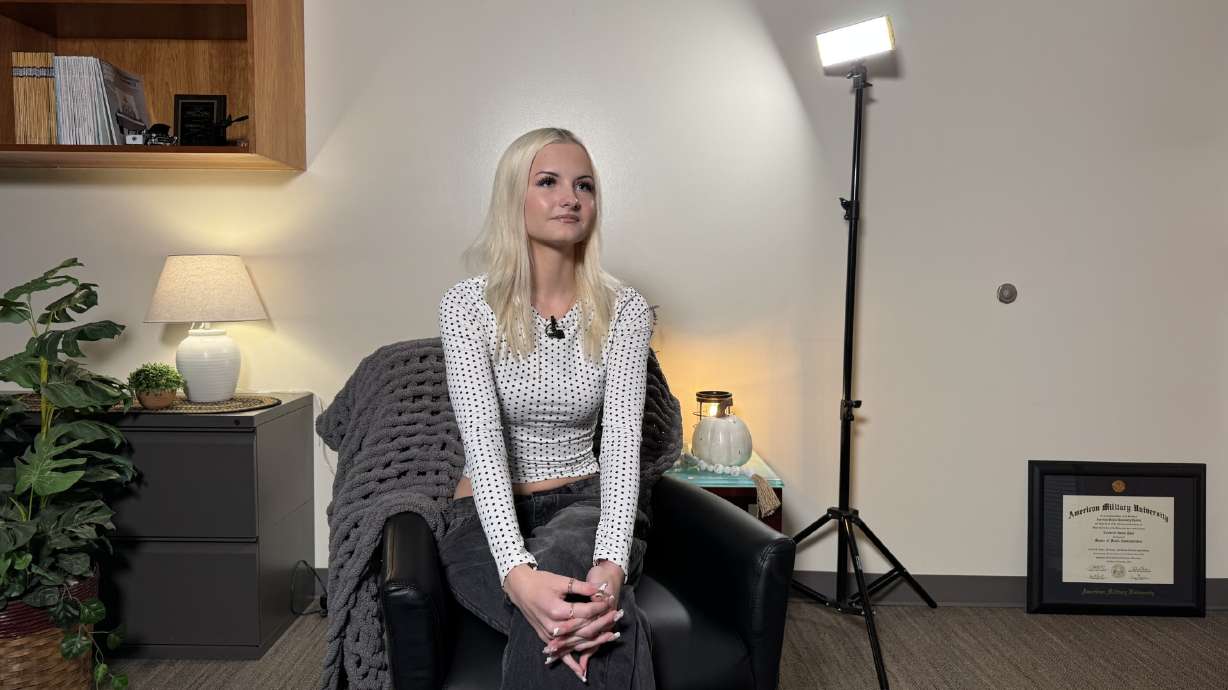
KSL legal analyst Greg Skordas said the state has argued it does not need to identify the source of the DNA because prosecutors are not relying on it as part of their case.
"The state's resisting that, saying, 'We're not using it. It's not part of our case. We know it's not your client, so we don't need to find out whose DNA it is,'" Skordas said. "But the defense is saying, 'Well, that's it. That's a huge part of our defense that someone else may have done this.'"
Skordas said the unanswered question could become significant if the case proceeds to trial.
"I think the jury's going to wonder the same thing that we're talking about here, which is, well, if it's not Carter's DNA, whose is it? And why don't we have that information?" he said.
Prosecutors indicated in court that they believe they still have sufficient evidence to pursue the case despite the DNA findings.
Skordas said the DNA evidence creates challenges for the state but may not be enough by itself to end the prosecution.
"The DNA, the fact that it's not Carter's, is a pretty big blow to the state's case, but it's not a fatal blow if they think that there's enough other evidence, including his confession and other factors," he said.
Carter's attorneys are also seeking to suppress a confession they contend was coerced and unreliable.
The defense has argued that misconduct surrounding the investigation and prosecution violated Carter's rights and warrants dismissal of the case.
Judge Derek Pullan said he would take the motion to suppress the confession under advisement and is expected to issue a ruling by Dec. 11.
Another hearing is scheduled for Nov. 17 as attorneys continue discussions regarding DNA testing and other pretrial issues.
Carter remains free under pretrial supervision while the case moves forward.
The Key Takeaways for this article were generated with the assistance of large language models and reviewed by our editorial team. The article, itself, is solely human-written.
Ver nota original ↗
¿Querés un resumen rápido de esta noticia, hecho por nuestra IA?