Local marathon runner gets new heart after rare disease leaves him fighting for his life
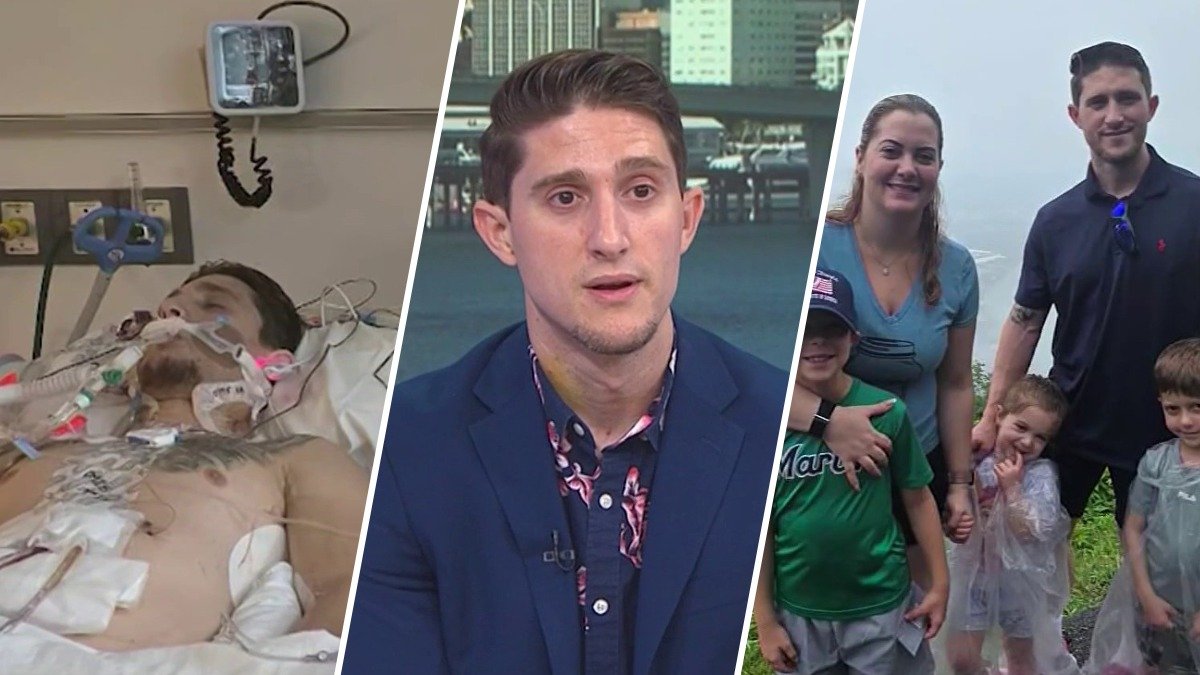
From running marathons to fighting for his life, Luis Peñate never imagined that at just 35 years old, his health could change so dramatically.
An entrepreneur, husband and father of three, Peñate had always considered himself healthy. But in 2025, what started as unusual fatigue quickly turned into a medical emergency.
"It's one of those things that you don't, you don't expect, and then boom," Peñate said.
As his condition worsened, Peñate realized something was seriously wrong.
"I picked up my phone. I told my wife, I have to go to the hospital. I feel like I'm dying," he recalled.
Doctors eventually discovered Peñate had developed a rare and potentially deadly condition called giant cell myocarditis.
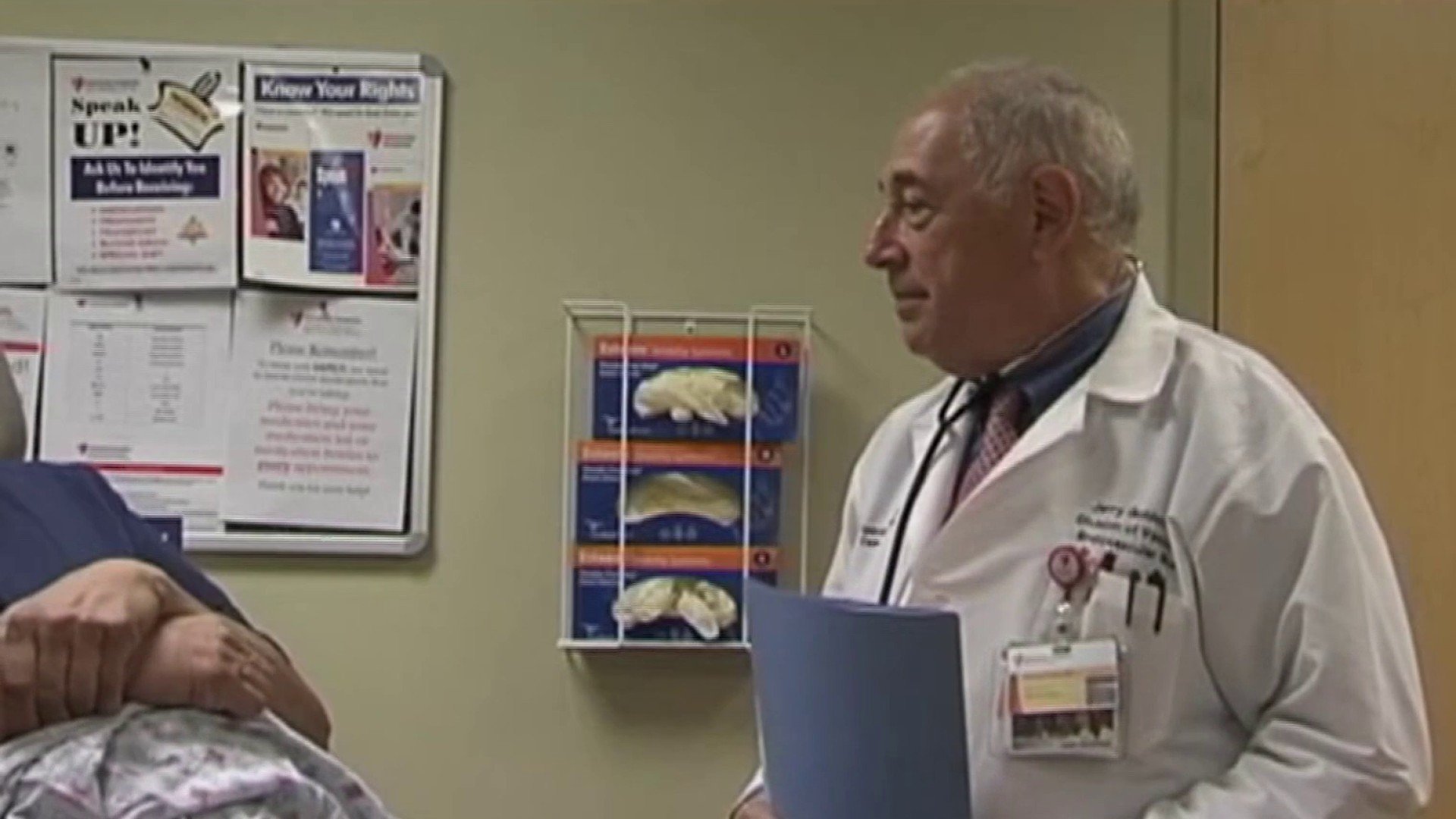
"Luis developed a very severe and rare disease called giant cell myocarditis. This is a condition in which our own immune system, which is supposed to protect us from outside pathogens, gets confused and attacks our own organs, specifically the heart," said Dr. Antonio Lewis, a heart transplant surgeon at Cleveland Clinic.
Your Health
In just two months, Peñate's condition deteriorated dramatically. His heart was functioning at just 15% of its normal capacity, and doctors had to place him on life support, using machines to help keep his heart and lungs functioning.
"For me that was the worst time because it was just, it was like being in a prison in hell," Peñate said. "I didn't know, was I going to survive? Am I going to get it in time? Will my body hold?"
Doctors ultimately determined his heart was too damaged to recover. His only chance of survival was a heart transplant.
Accepting that reality wasn't easy.
"I want to keep my heart. My heart, my heart's gonna recover," Peñate recalled thinking. "Ultimately, that didn't happen, but that's how it happened."
Peñate was placed on the transplant waiting list with the highest level of urgency. Within days, he received the news that would save his life: A donor heart was available.
Lewis said Peñate's case is also an important reminder not to ignore sudden or dramatic changes in your health.
"Severe shortness of breath. The activities that you were able to do a few days ago now seem extremely strenuous," Lewis said. "Chest pain that's usually centrally located in the chest, radiated to the jaw or the arms and the shoulders, will not go away after a few minutes."
Today, Peñate is grateful for the gift that gave him another chance at life. He has returned to running, playing sports and spending time with his family, now with a new heart and a new outlook.
"If I held out for two weeks, there's people have been holding for a heart for months, years," Peñate said. "They're way stronger than me. They can do it, too."
Lewis hopes Peñate's story will also encourage more people to consider becoming organ donors. For patients like Peñate, that decision can mean the difference between life and death.
Ver nota original ↗
¿Querés un resumen rápido de esta noticia, hecho por nuestra IA?