
Hidden for decades, a Bountiful veteran's letters tell story of Vietnam War

BOUNTIFUL — Some people are an open book. Jim Cook wasn't one of them.
"He wasn't a real vocal guy," said Rick Mittelstaedt, Cook's stepson. "He liked to hunt, he liked to fish, he liked to be outdoors."
It turns out Cook had quite a story to tell, though.
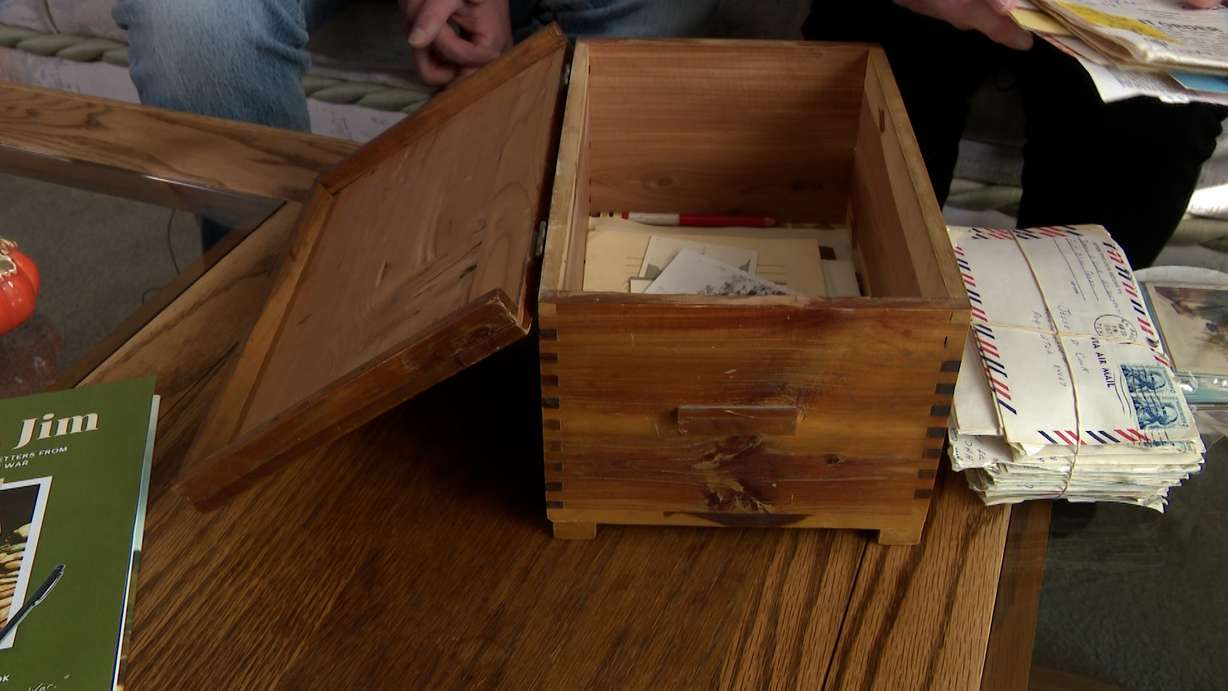
For decades, much of that story was tucked away inside a box in his Bountiful home.
About two years ago, Cook's widow, Linda, was cleaning out her home when she came across hundreds of handwritten letters and photographs from her late husband's time serving in the Vietnam War.
The letters, written in 1967 and 1968, offered a glimpse into the life of a 27-year-old soldier who missed the mountains of Utah, wondered how the fishing was back home and tried to make sense of a war unfolding around him.
For his family, they offered something even more personal: a chance to get to know him all over again.
A story waiting to be told
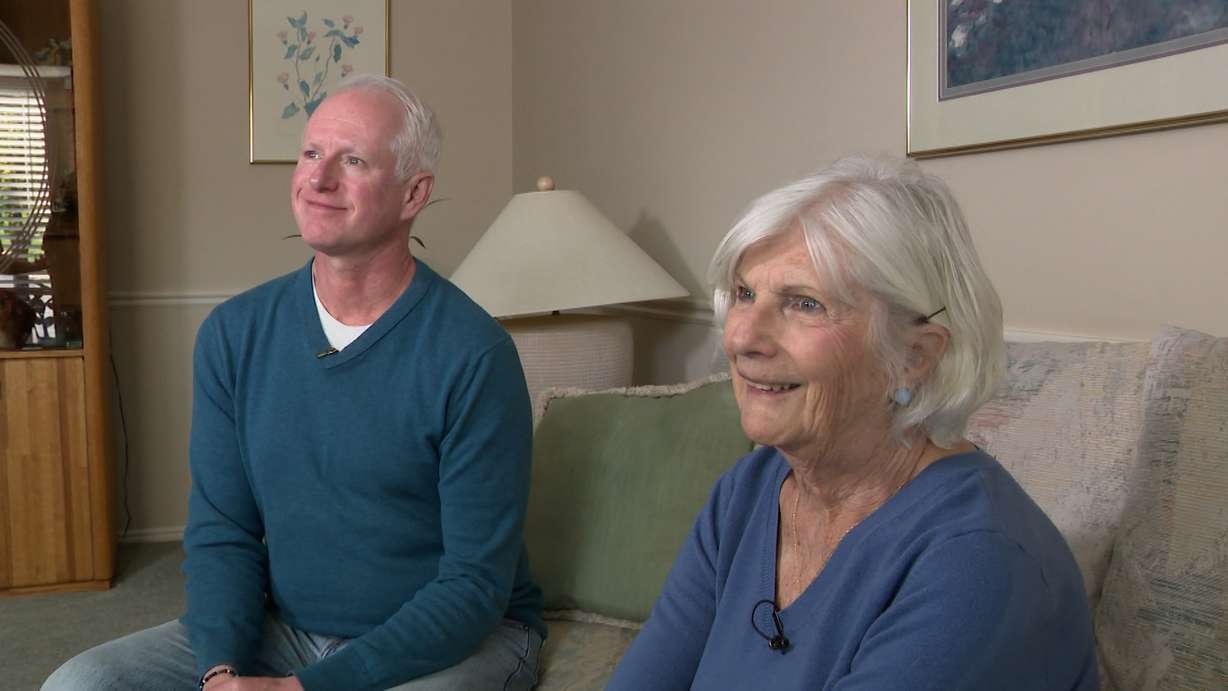
Mittelstaedt, a writer and history buff, remembers his mother showing him the collection.
"She brought out this chest and showed me the letters and said, 'You know, I thought you might be interested in this,'" he recalled.
Interested might have been an understatement.
After looking through the letters, Mittelstaedt called his mother with an idea.
"These are amazing. We need to find a way to preserve Jim's legacy," he told her.
Linda Cook said her husband rarely discussed the letters.
"His mother saved them all. Thank goodness," she said.
The letters had survived for more than half a century. Now, the family wanted to make sure the stories inside them would survive, too.
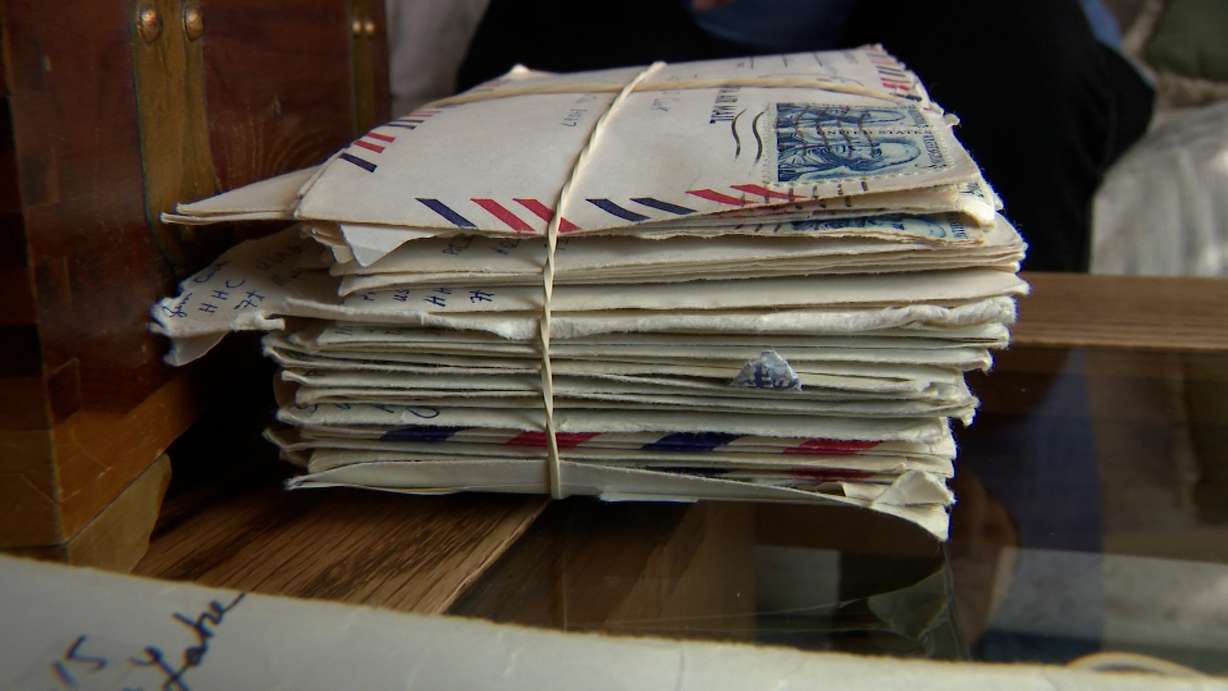
Mittelstaedt and his mother began sorting through the collection, spreading letters and photographs across the dining room table and putting them in chronological order.
What started as a family preservation project soon became something more.
"One thing we both realized was that there was really a story there," said Mittelstaedt. "It became more than just preserving his legacy for the family."
Fishing, family and the realities of war
Cook was 27 when he served in Vietnam. Like many soldiers far from home, he wrote about ordinary things.
But scattered among those everyday observations were reminders of the extraordinary circumstances in which he was writing. Sometimes, the shift from ordinary life to the horrors of war happened within the same letter.
Mittelstaedt described the pattern of his stepfather's correspondence.
"'Hey, how's it going at home? How's the fishing?'" he recalled his stepdad writing. "'Oh, and by the way, yesterday we had a really sad thing happen. One of the soldiers I know was killed in a friendly fire incident. So let me know how things are going.'"
In another letter, he asked about his 3-year-old daughter before describing a soldier who had fallen from a helicopter.
The letters also captured a turbulent period in American history. Following the assassination of Robert F. Kennedy in 1968, Cook wrote about hearing the news from Vietnam and wondering about the violence taking place back home.
"'It doesn't even seem like you can run for president anymore and it feels almost safer over here than it does in the States,'" Mittelstaedt read from one of the letters.
For Linda Cook, the letters revealed how much her husband had experienced without sharing the full weight of it with his family.
"He doesn't go into detail. He kind of just floats over it," she said. "I think when he put it in the letter, it's because he did not want to upset his parents."
She also believes the reception many Vietnam veterans received when they returned home contributed to their reluctance to discuss their experiences.
"It was such an unpopular war, and people were protesting against it," she said. "They were not received graciously."
Getting to know Jim again
Jim Cook survived Vietnam and returned to Utah, where he continued enjoying the outdoors, photography and time with his family. He and his wife traveled around the state taking pictures together, a hobby they both loved.
"We went out a lot to take pictures all over the state," Linda Cook recalled. "We were both really into photography."
Mittelstaedt remembers a man who was much more than his military service.
"Jim was a great stepfather," he said. "A father figure for sure."
Jim Cook died in 2007.
Nearly two decades later, the letters have given his family a new perspective on the man they remember.
"It gave us all, I think, an insight to Jim that we didn't know, which was really a wonderful thing," said Mittelstaedt.
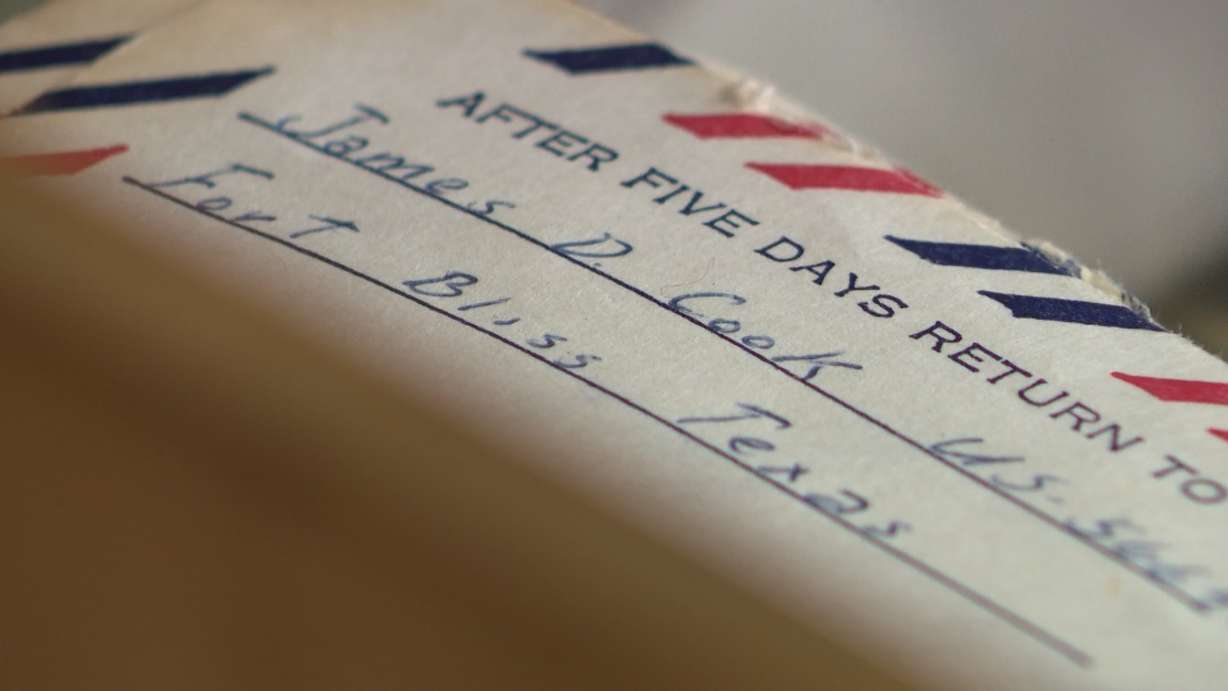
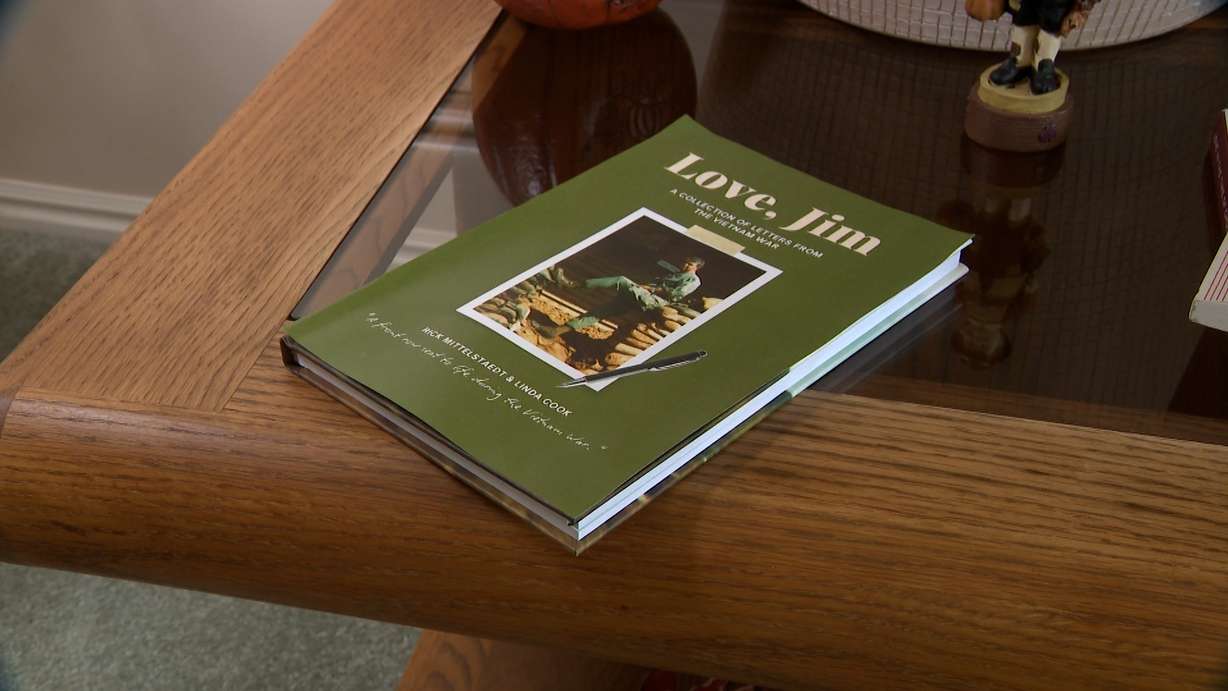
Working together, the mother and son organized the letters and photographs into a book titled "Love, Jim."
The title is how he ended his handwritten letters.
The project also gave them something neither had necessarily expected: time together, revisiting memories and discovering new ones.
"It was a great project for me to work on with my mom," said Mittelstaedt. "We really enjoyed the process."
Through those pages, they began to see Jim Cook not just as the husband, stepfather and grandfather they remembered, but as a young man facing an uncertain future thousands of miles from home.
A legacy worth sharing
What began as a project for family and friends is now reaching a wider audience.
The family plans to make "Love, Jim" publicly available and share copies with veterans at facilities in the Bountiful and Salt Lake City areas around Veterans Day.
Linda Cook believes her husband's experiences may resonate with other veterans and families who lived through the Vietnam War.
"I think a lot of soldiers and a lot of parents went through the same things," she said. "I think that's helpful to read about it."
Still, sharing such personal letters has not been an easy decision.
"Jim was very private, so I could struggle with that a little bit," she acknowledged. "But I think it's a story that will help people, and I know he would like that."
At Bountiful Veterans Park, Jim Cook's name is etched into a memorial wall honoring those who served their country. It is a permanent reminder of his military service, but thanks to a box of letters, his family now has another way to remember him.
It's a story that tells not only where he served, but who he was.
"I think just having what he wrote and being able to read who this guy was at 27, that's what's really wonderful about it," said Mittelstaedt.
The Key Takeaways for this article were generated with the assistance of large language models and reviewed by our editorial team. The article, itself, is solely human-written.
Ver nota original ↗
¿Querés un resumen rápido de esta noticia, hecho por nuestra IA?


