Confirmed case of Measles reported in Geauga and Lake counties, exposure sites noted
Geauga Public Health is reporting a confirmed case of measles with exposures to several public locations in Geauga and Lake counties during the period of time the person was able to spread the virus.
Here are the dates, times, and location/events visited by the person. The exposure time includes when the person was at the location plus two hours after they left.
Public Health officials say anyone who was at any of the locations during the times shown should consider themselves exposed to measles.
Exposure Date/Times/location:
Monday, 11/2 through Thursday 11/5, 7:45 a.m. - 5:15 p.m. Berkshire Middle School, 14155 Claridon Troy Rd. Burton, OH
Tuesday, 11/3, 3:30 p.m. - 7 p.m. Kent State University - Geauga Campus, 14111 Claridon Troy Rd. Burton, OH
Tuesday, 11/3 and Thursday 11/5, evening (dinner) hours The Hambone, 13960 Rock Creek Rd. Burton, OH
Tuesday, 11/3, 5:30 p.m. - 9:30 p.m. Berkshire Local Schools Fall Choir Concert, 14155 Claridon Troy Rd, Burton, OH
Friday, 11/6, 10 a.m - 2 p.m. SPC Sports, 9431 Mentor Ave, Mentor, OH
Friday, 11/6, 11 a.m. - 4 p.m. Longhorn Steakhouse, 9557 Mentor Ave. Mentor, OH,
Saturday, 11/7, 5:54 p.m. - 8:48 p.m. University Hospitals Urgent Care Concord, 7500 Auburn Rd, Suite 1200, Concord, OH.
Right now, the Geauga Public Health (GPH) is working with the person and their doctors to track down anyone who may have been contact. Local health departments will reach out to those people with guidance on quarantining.
Officials are also working with Berkshire Schools to make sure parents and event-goers know about the risk.
According to a release from GPH, measles is extremely contagious and can spread to others through coughing and sneezing. The measles vaccine (called MMR as it protects against measles, mumps, and rubella) is very safe and effective at preventing measles. Two doses of MMR are 97% effective against measles. If you are up to date on measles vaccine, the risk of getting sick is very low.
The measles virus can live for up to two hours in air where an infected person coughed or sneezed. If other people breathe the contaminated air or touch an infected surface and then touch their eyes, noses, or mouths, they can become infected. People with measles can spread it to others from four days before, through four days after a rash appears.
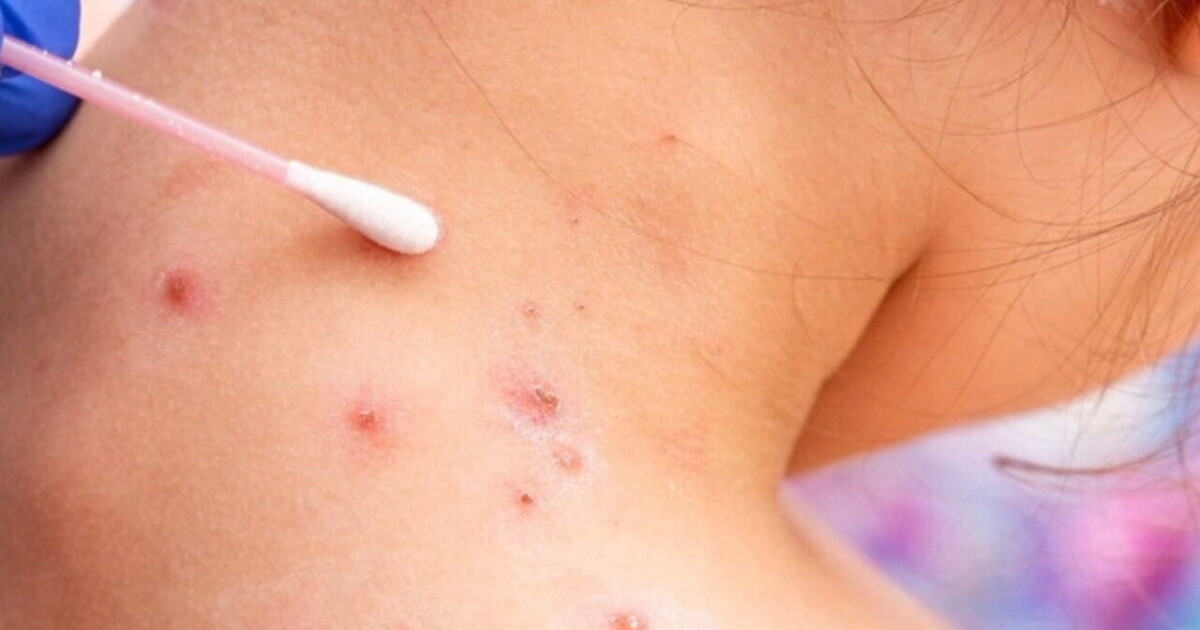
Measles symptoms include a rash, high fever, runny nose, cough, loss of appetite, and red, watery eyes.
The rash usually lasts five to six days and begins at the hairline, moves to the face and upper neck, and proceeds down the body. Diarrhea and ear infections are common complications of measles. More severe complications may also occur.
Complications from measles are more common among children younger than 5 years of age, adults older than 20 years of age, pregnant women, and people with compromised immune systems. As many as one out of every 20 children with measles gets pneumonia, the most common cause of death from measles in young children.
The Centers for Disease Control and Prevention (CDC) recommends all children get two doses of MMR vaccine, starting with the first dose at 12 through 15 months of age, and the second dose at 4 through 6 years of age. MMR vaccine can also be given to adults who are not vaccinated or whose vaccination status is unknown. For more information and updates, visit the GPH website. For more information about measles, visit the Centers for Disease Control and Prevention (CDC) website
Ver nota original ↗
¿Querés un resumen rápido de esta noticia, hecho por nuestra IA?