DOGE cuts cost tribes $470M, gutting funding for climate projects
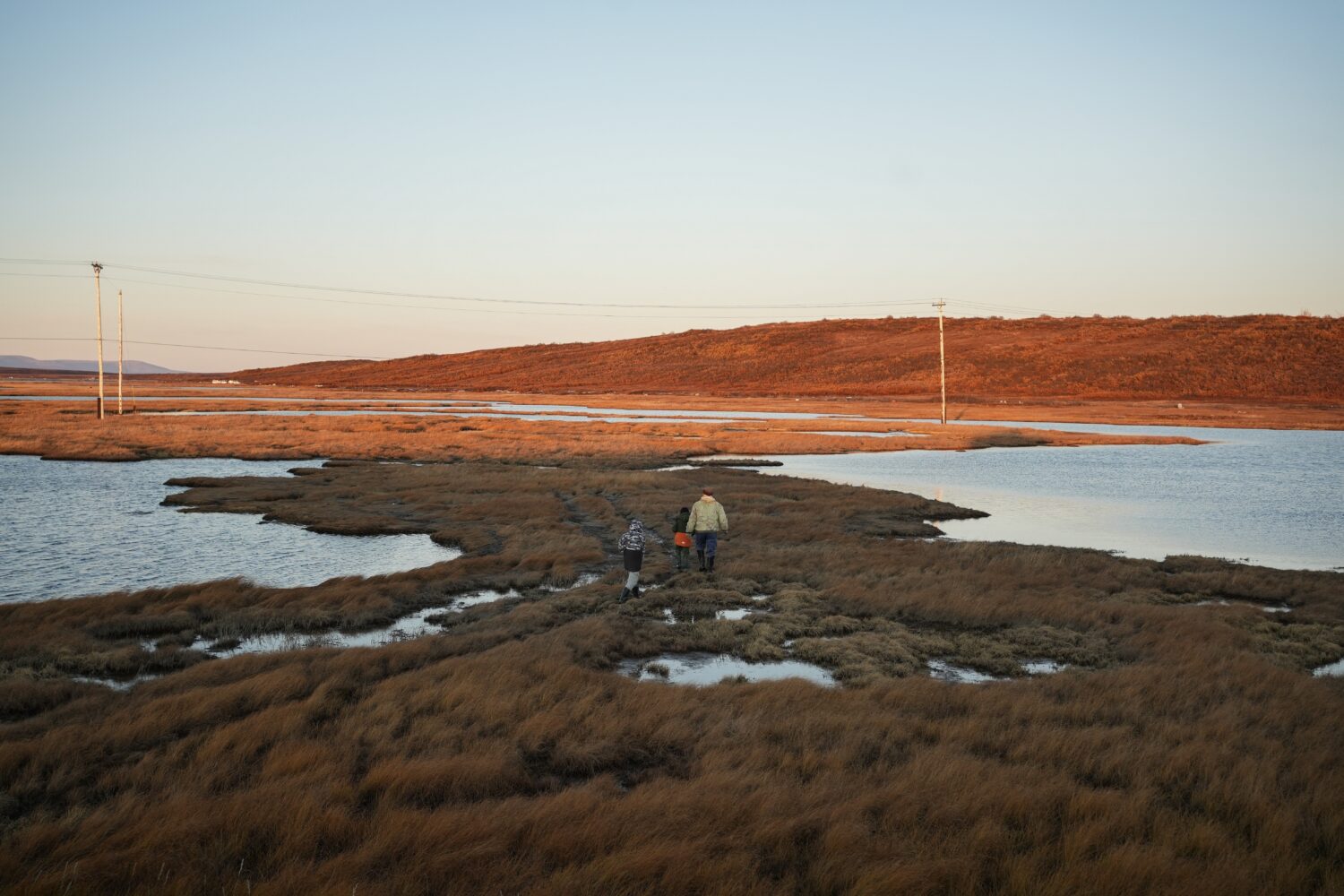
Every year, Kotzebue, a small city in northwest Alaska, has a three-month window to receive all the diesel fuel it will use throughout the following year. It sits on a gravel spit that juts into Kotzebue Sound just north of the Arctic Circle, and is accessible only by air and sea. Ice keeps freight barges from reaching it for most of the year.
The community relies on diesel for 75 percent of its power, and residents put about 20 percent of their income toward buying it. That’s more than three times the average energy burden for low-income households nationwide.
“We’re pretty much at the mercy of world markets,” Chad Nordlum, who is the energy project manager for the Native Village of Kotzebue, told Grist. “Right now, with the Iran war going on, the diesel prices are very high and we’re locked in to much higher prices than we’ve had in the past. There’s really nothing the community can do about diesel prices, but what we can do is produce our own energy.”
That’s why Nordlum was so excited about a $20 million grant from the Environmental Protection Agency to support a wind energy project. The funding, announced in 2024, was part of a larger $150 million allocation for tribal infrastructure in Alaska. Nordlum says it would have lowered the community’s reliance on diesel to about 40 percent to 50 percent and given the tribe more control over energy and economic decisions.
But the Trump administration canceled the grant in May 2025. More than a year later, the project remains paused.
That cut was among hundreds of millions of dollars the Department of Government Efficiency pulled from Indian Country, and part of a broader pattern of funding rollbacks and underinvestment in Indigenous communities. Two new reports from the Brookings Institution show that the so-called One Big Beautiful Bill Act killed many of the funding streams established by the 2022 Inflation Reduction Act, while DOGE eliminated another $468 million, about half of which was allocated for environmental and natural resources. Another 11 percent targeted agriculture. Those projects include climate resiliency plans, renewable energy projects, and jobs programs.
According to Brookings, despite historic investments flowing into Indian Country after the pandemic, a massive underinvestment in Indigenous communities continues. Not only is that a violation of the federal government’s trust and treaty obligations to tribes, it is hindering Indigenous efforts to protect the environment and address climate change. The report authors are calling for policy changes that would ensure tribes receive funding, regardless of political winds.
Rob Maxim, who is Mashpee Wampanoag and a fellow at Brookings Metro, said climate and environmental funding is especially crucial for Indigenous communities because they are often the most severely impacted by climate change, especially after years of underinvestment.
“The actions that the Trump administration is taking are particularly significant, but it’s not totally out of trend with previous administrations,” he said. “And what we wanted to show was that actually this underinvestment is kind of the default for the U.S. rather than a blip.”
The true aberration was the unprecedented levels of funding after the pandemic. That funding, which came under the Biden administration, included over $700 million in climate, energy, and infrastructure funding for tribes. It covered projects like development of climate action plans, food systems analysis, and more. For example, the Hopi Tribe was to receive a $25 million grant to install solar panels for 600 homes. That grant, and the entire $7 billion Solar for All program, were cut.
Maxim says that funding for Indigenous communities is a federal obligation based on treaties and other agreements with tribes and should be standard and irrevocable. “The funding that was flowing to Indian Country was not being done on the basis of race or DEI, and it was absolutely not illegal,” he said. “It was aimed at the promotion of tribal sovereignty and the well-being of tribal citizens and tribal communities, and so that is, you know, an obligation that the U.S. government maintains.”
The White House did not respond to a request for comment. The EPA provided a comment several days after this story originally published Nov. 2.
“The Trump EPA is committed to ensuring taxpayer dollars are being used appropriately and has reviewed all funding activities with that lens. Through the agency’s General Assistance Program (GAP) and other granting programs, EPA has awarded more than $351 million in Tribal grants funding since the beginning of the second Trump administration,” the agency said in an email to Grist.
Glencora Haskins, a senior research associate and applied research manager at Brookings Metro, said that the administration had targeted funding to tribes, with “tribal” being the most frequently flagged term. “I think that there was a very surface-level view of what a lot of these programs were doing, rather than any deep interrogation of the types of systemic infrastructure deficits that programs were trying to fix,” Haskins said.
In Native communities throughout Alaska, and around the country, energy and infrastructure needs are especially acute because of increasingly frequent and destructive storms, wildfires, and other climate-driven disasters.
Haskins and Maxim recommend that Congress pass legislation that bars the cancellation of grants and contracts for tribes, and stipulates that all funding for Indigenous nations and communities is in service of trust and treaty obligations even if it is from a program with a different stated purpose. They also call for a statutory requirement that money should flow directly to tribes rather than having them seek reimbursement from the U.S. Treasury.
In Kotzebue, Chad Nordlum hopes the political tide will turn enough to get the funding for the wind project moving. In the meantime, he is working on a smaller solar project that he hopes will help alleviate the community’s energy challenges.
“Our main goals are energy security and economic development for the tribe, which is ultimately being able to invest in our own community, help make the lives of people here a little more sustainable,” Nordlum said. “We want our community to continue on into the future. We have to get a handle on our energy prices and availability.”
___
This story is published through the Global Indigenous Reporting Network at The Associated Press.
Ver nota original ↗
¿Querés un resumen rápido de esta noticia, hecho por nuestra IA?