8 things to consider before taking a GLP-1 medication
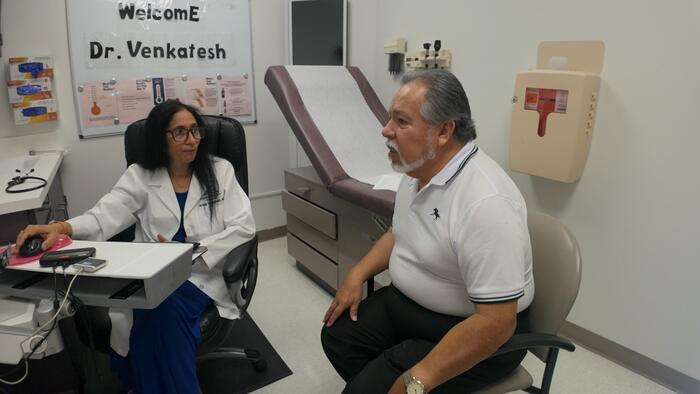
GLP-1 medications have become enormously popular as weight-loss options, but they still require medical supervision. Before starting one, patients should understand potential side effects, discuss whether a particular medication is appropriate for them and make a plan for follow-up care.
“The key is knowing what to watch for and weighing the risks against the benefits,” said Dr. Aruna Venkatesh, with University Health.
1. A clinician should review your health history.
A healthcare professional can consider your medical history, current medications and weight-related health conditions when deciding whether a specific treatment may be appropriate.
Eligibility depends on the medication and the patient; these drugs are not intended simply for cosmetic weight loss.
2. Know which conditions may affect treatment.
Some medications have specific restrictions for people with a personal or family history of medullary thyroid cancer or multiple endocrine neoplasia syndrome type 2.
Weight-loss medications aren’t intended for use during pregnancy, and people planning a pregnancy should discuss treatment timing with their clinician.
A history of pancreatitis, gallbladder disease or severe gastrointestinal problems may also affect treatment choices and monitoring.
3. Be prepared for possible side effects.
Nausea, vomiting, diarrhea, constipation and abdominal discomfort are common, according to University Health experts. More serious complications can include pancreatitis and gallbladder problems. Vomiting or diarrhea may also cause dehydration.
Ask your clinician which symptoms need urgent attention. Severe or persistent abdominal pain, repeated vomiting or an inability to keep fluids down warrant prompt medical care.
4. Follow the prescribed dose.
Treatment often starts at a low dose and increases gradually. Follow your prescriber’s schedule, and don’t take more or increase the dose sooner on your own. A faster increase won’t necessarily lead to better results and could raise the risk of side effects.
5. Pay attention to nutrition, fluids and muscle strength.
A reduced appetite can make it harder to eat enough. Dr. Venkatesh recommends getting enough protein and doing muscle-strengthening exercises. Balanced meals, hydration and regular physical activity can support overall health during weight loss.
Ask your clinician or dietitian what nutrition goals make sense for you.
6. Review your other medications with your care team.
Tell your clinician about all prescription medicines, over-the-counter products and supplements you take. GLP-1 medications may affect how quickly the stomach empties, which can matter for some oral medicines.
Combining treatment with insulin or certain other diabetes medications may increase the risk of low blood sugar, so the care team may need to adjust the regimen.
7. Use a legitimate source and ask about cost.
Dr. Venkatesh urged patients to be cautious when searching online for less expensive GLP-1 options: “They may be counterfeit or improperly dosed.”
Talk with your clinician about safe, legitimate options, and avoid buying injections from unverified sellers.
8. Make a plan for the long term.
Appetite and weight can increase after treatment stops, though experiences vary. In one follow-up study of people who stopped semaglutide treatment after 68 weeks, participants regained within a year about two-thirds of the weight they had lost.
Discuss how long treatment may last, how you might maintain progress and whether the medication will be affordable over time.
The potential benefits can go beyond weight loss.
“They also improve blood sugars,” Dr. Venkatesh said.
Some medications have demonstrated heart or kidney benefits for specific patient groups, and weight loss may help with conditions like sleep apnea, fatty liver disease and joint problems. Benefits and approved uses differ by medication and patient.
“Talk to your doctor so they can help you with legitimate and safe options,” Dr. Venkatesh said.
Ver nota original ↗
¿Querés un resumen rápido de esta noticia, hecho por nuestra IA?