Disruptions at airports could linger for days after nationwide FAA ground stop, operations expert says
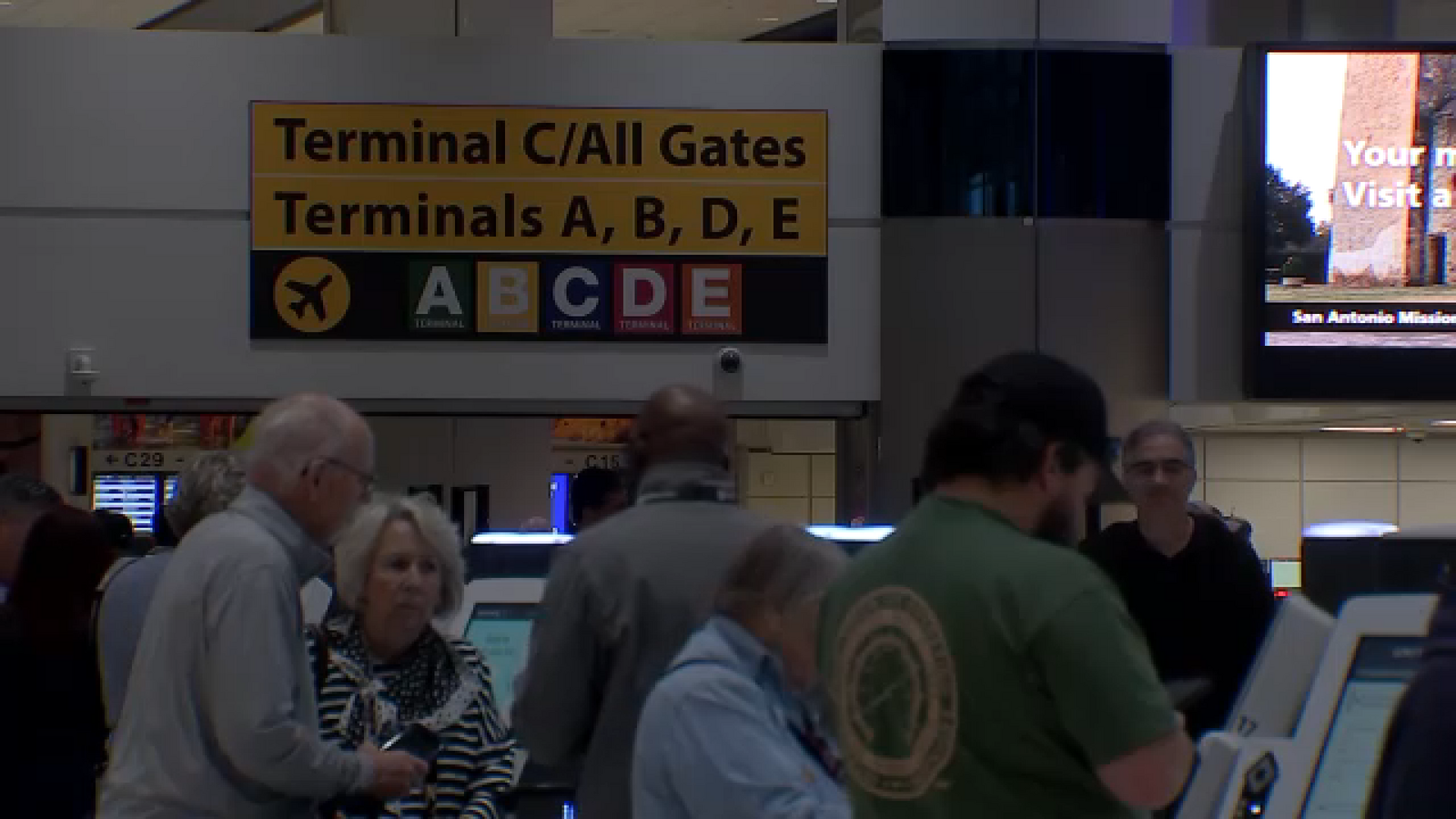
HOUSTON, Texas (KTRK) -- While air travel across the United States is slowly returning to normal after a rare nationwide ground stop, experts say the disruption's effects could linger for days.
More than 350 planes were in the air when the Federal Aviation Administration issued the ground stop, leaving travelers scrambling to adjust their plans.
The four-hour disruption ended Friday, but its effects continued Saturday as airlines worked to reposition aircraft and crews. More than 5,600 flights nationwide had been canceled Saturday.
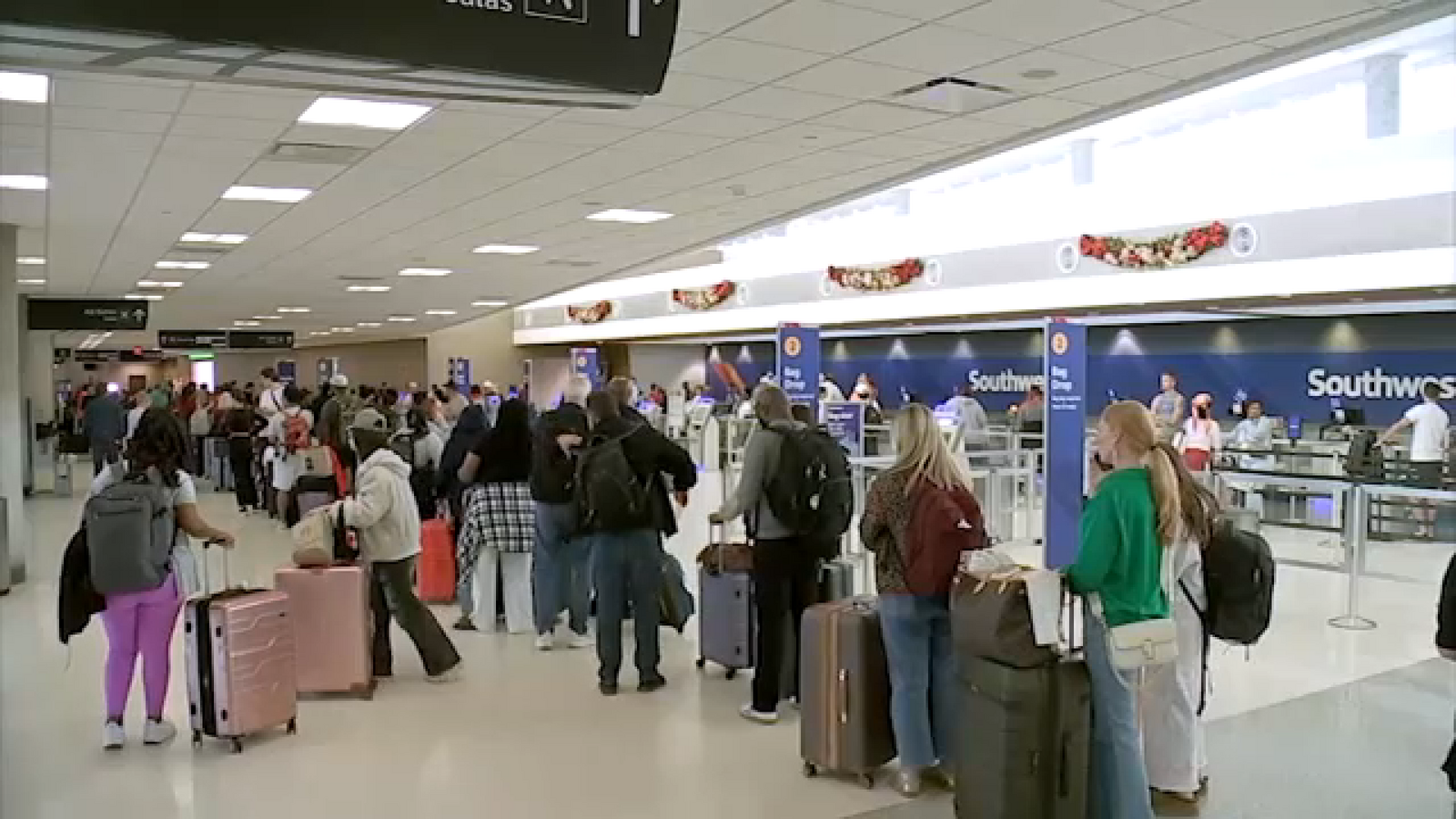
At Houston's Bush Intercontinental Airport, Lily Talamantes said the situation was frustrating but recognized that airline employees were doing what they could.
"It's frustrating, but the airlines and employees have no control over it, and they're truly doing the best they could," Talamantes said.
U.S. Transportation Secretary Sean Duffy blamed outdated and overloaded technology for the ground stop.
While some travelers were able to continue their journeys Saturday, the disruption could take several days to fully work through the nation's aviation system.
David "Hoss" Robertson, a retired airport operations manager who previously oversaw training for employees with access to airside operations at Bush Intercontinental, said the effects of a nationwide ground stop can extend well beyond the time it takes to lift the restriction.
Robertson remembers previous nationwide ground stops, including the one following the Sept. 11, 2001, terrorist attacks and another in 2023.
He said even a relatively brief disruption can take significant time to resolve.
"It took us about a day and a half to recover from that 90-minute outage," Robertson said.
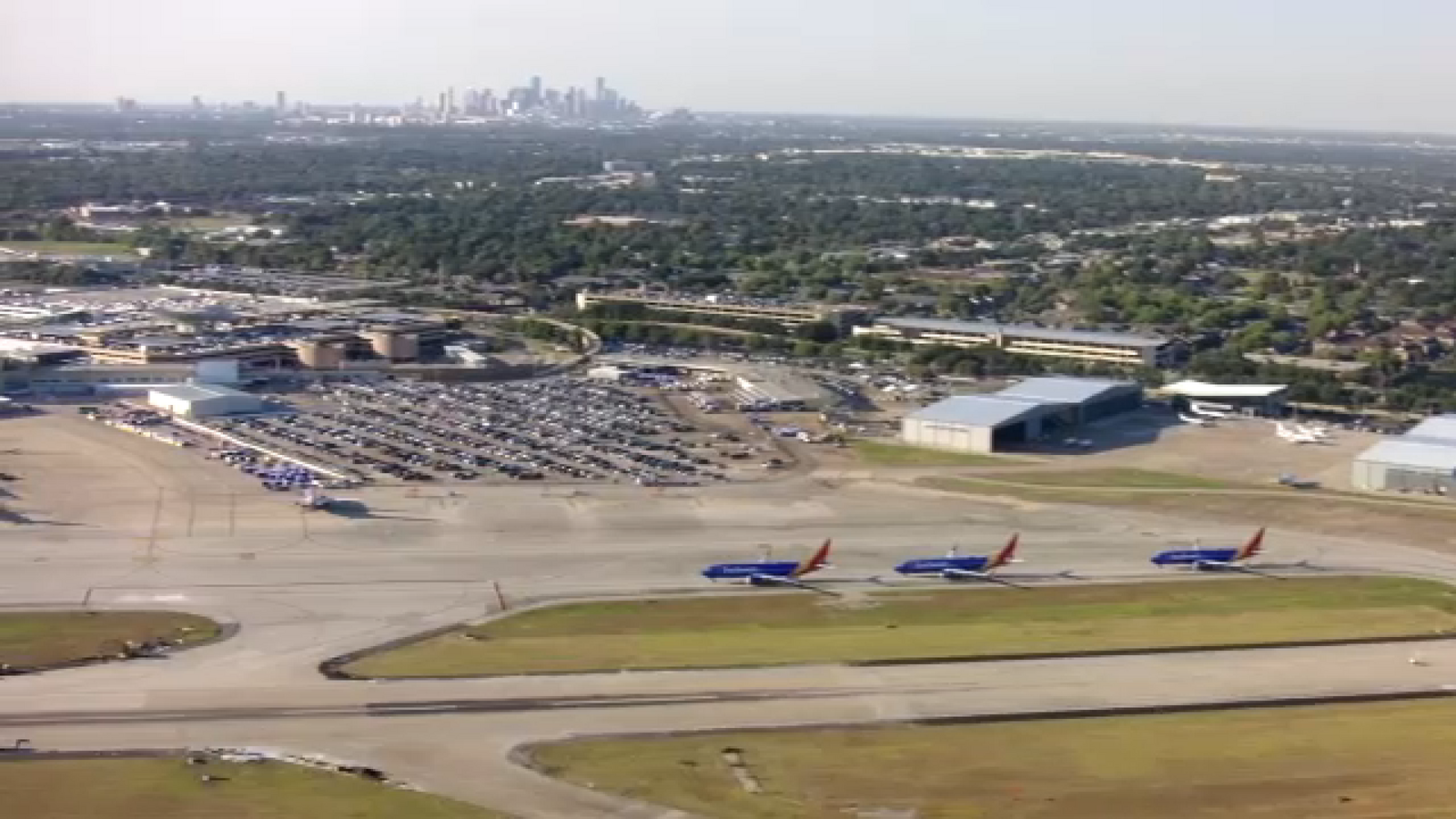
One challenge is finding space for aircraft that cannot continue to their scheduled destinations.
"It's 'Where do you put all of the aircraft?'" Robertson said. "We ran into a situation like this during COVID when nobody was flying, but at least we knew ahead of time we were going to be."
Even after a ground stop is lifted, airlines must determine where aircraft and crews are supposed to be and work to get them back into position.
"This airplane was supposed to be in Nashville tonight, this one was supposed to be in Miami, this one, the UK. They have to sort all of that out," Robertson said.
Crew scheduling is another factor that can delay the recovery. Federal regulations limit how long flight crews can remain on duty, meaning some employees may not be able to immediately resume flying even after operations restart.
"When it's all said and done, you do have crew safety time limits. Crews can only be on duty for so many hours, and even if a switch flips and things are good to go, a lot of crews on the ground legally won't be able to leave until tomorrow," Robertson said.
Robertson said the combination of aircraft positioning, crew availability and scheduling could keep disruptions moving through the aviation system for several more days.
"As long as this has gone on, I definitely see this rolling through the weekend, probably until early next week," he said.
Copyright © 2026 KTRK-TV. All Rights Reserved.
Ver nota original ↗
¿Querés un resumen rápido de esta noticia, hecho por nuestra IA?