Public health advocates call for stricter nitrate standards in drinking water
A coalition of environmental and public health organizations are calling on federal regulators to revise the nationwide limit on toxic nitrates allowed in drinking water.
National and local advocacy groups like the Natural Resources Defense Council, Food & Water Watch, Prairie Rivers Network, and 11 others warn in the petition submitted Monday to the U.S Environmental Protection Agency that “nitrates in drinking water are causing a public health crisis across the country.”
Nitrate is a key chemical compound common in fertilizer, which can contaminate drinking water sources. Recent studies have linked nitrate in drinking water with colorectal cancer, thyroid disease, and fetal abnormalities.
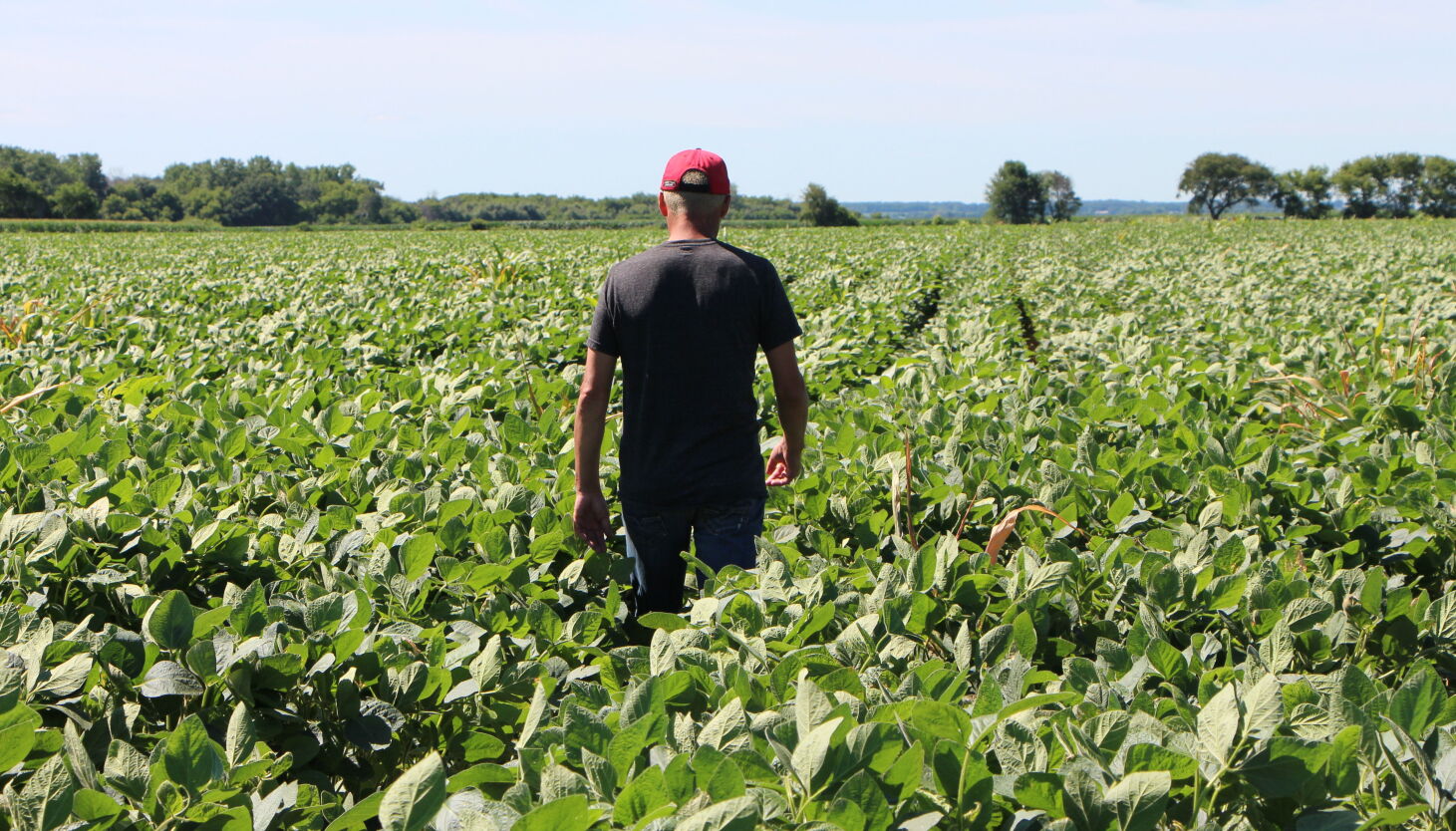
Illinois is a hot spot for nitrate pollution. Agricultural runoff can seep into groundwater and flow into streams, rivers, and reservoirs.
“One in three Americans are currently being served water with dangerous levels of nitrate in it,” said Tyler Lobdell, a senior staff attorney at Food & Water Watch.
The coalition is requesting the US EPA change the maximum contaminant level of nitrate in drinking water standard from 10 mg/L to 1 mg/liter.
“This change would reflect the best available, peer- reviewed science and would bring substantial health benefits to communities across the country,” according to the petition.
Between 2021, and 2023, more than 2 million people in Illinois were served drinking water that tested above 1 milligram of nitrate per liter, according to Robert Hirschfeld, the director of water policy at the Illinois environmental group Prairie Rivers Network.
“I would like to see this petition put the state of Illinois on notice that nitrate is a significant problem,” Hirschfeld said.
Opponents of the current federal drinking water standard for nitrate — set today at a limit of 10 milligrams per liter — worry that the decades-old benchmark is out of date.
The longstanding threshold was set as a placeholder in 1975 and formally adopted in 1991 based on the risk of blue baby syndrome, a condition in which newborns exhibit discoloration due to low levels of oxygen.
A growing body of research is pointing to additional health issues bearing down on rural America where industrial agriculture is most prevalent. Now, advocates want public health officials to adopt tougher safety standards for drinking water.
EPA has tried to reassess the nitrate benchmark twice, first under the Obama administration and then again under the Biden administration. The first and second Trump administrations scuttled both efforts.
“We've done the EPA's work for it," Lobdell said.
As part of its petition, the coalition compiled the latest science and a 43-page cost-benefit analysis to justify the stricter limit.
The petitions ask the EPA to take two immediate steps. First, the agency should institute an interim protective threshold for nitrate while they adopt a new limit. Second, they should enforce other federal protections like the Clean Water Act and rein in industrial agriculture, which Lobdell said has been given a “free pass to pollute.”
Ver nota original ↗
¿Querés un resumen rápido de esta noticia, hecho por nuestra IA?