AI data centers block pollution, climate efforts in Illinois
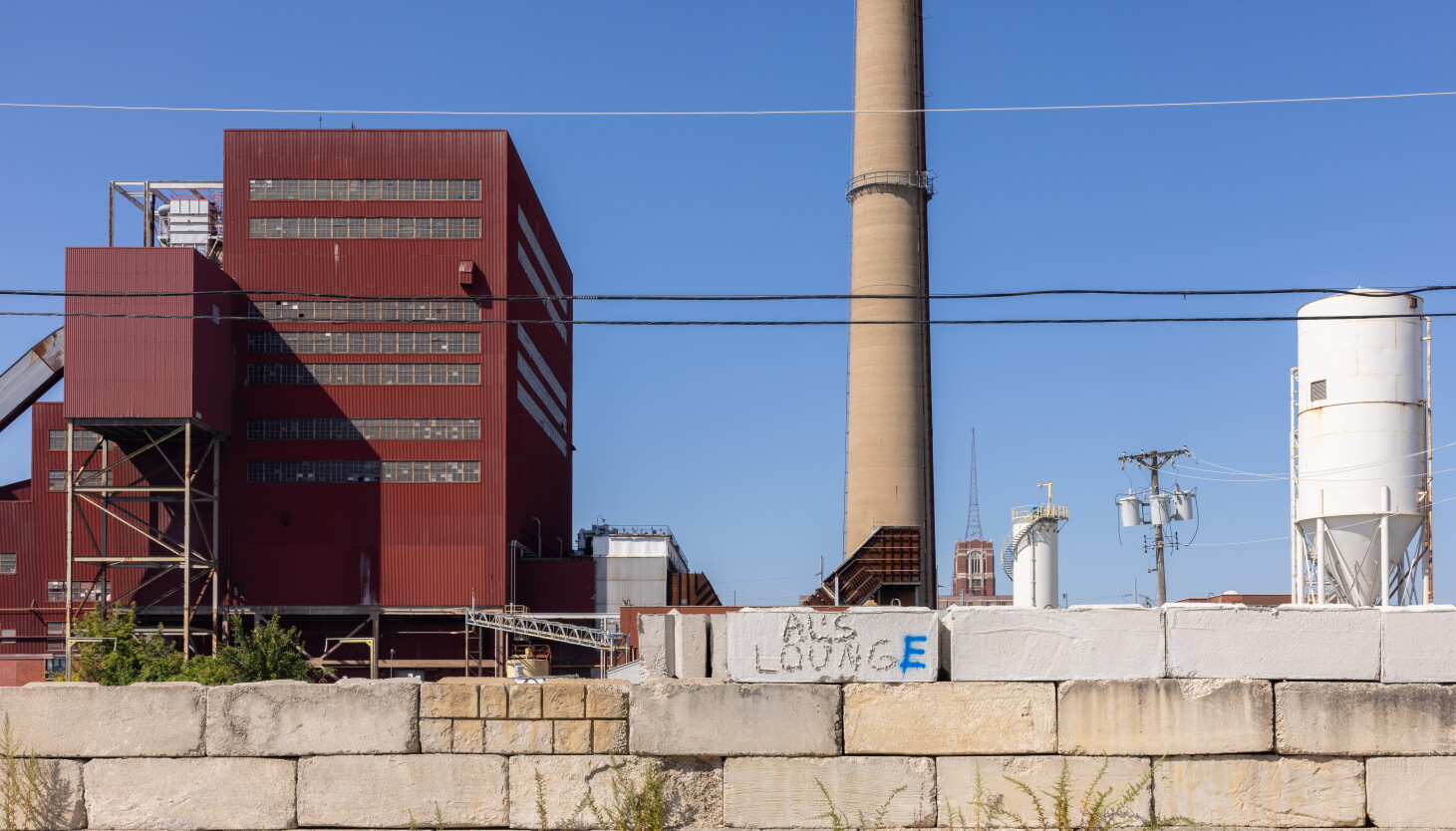
Demand for electricity to power data centers is hindering the state’s plans to reduce pollution and fight climate change.
Under an ambitious law signed by Gov. JB Pritzker in 2021, the state set out to retire all fossil-fuel power plants between now and 2050.
But big new data centers are requiring so much electricity that it’s become difficult for the state to shut down all coal, gas and oil sources that supply the demand, a pair of state reports released Monday found.
The reports confirmed fears that environmental and climate advocates have had for more than a year. Cleaner sources of power, including wind and solar farms, are not being built quickly enough to keep up with the new demands from data centers for artificial intelligence.
That’s bad news for the planet because oil, gas and coal create carbon dioxide, which is the major contributor to global warming. The same pollution that is causing climate change is also bad for our health, causing respiratory problems and exacerbating a number of other threats.
“Fossil fuel power plants emit thousands of tons of lung-damaging chemicals,” said Brian Urbaszewski, director of environmental health at Respiratory Health Association in Chicago. “These are chemicals that have an immediate and harmful effect on people.”
In central and southern Illinois, seven coal plants continue to operate. The goal has been to shut four of them down by 2030 and that goal is still in place, according to one of the two reports. Three publicly owned coal-fired plants have longer timelines before they are closed.
Eleven so-called peaker plants, which burn oil or natural gas as power backups, were expected to close in 2030 or 2031. But because of the data center power demand, those sources should continue to operate until 2033 to help prevent blackouts, the report recommends.
These peaker plants are limited-use oil-fueled or gas-power sources that are shut down for most days on any given year. They’re designed to guard against blackouts and can be fired up when energy use is peaking, like on the hottest day of the year when many air conditioners are running.
In Chicago, there are peakers that are still active at the long-closed Fisk coal-fired power plant in Pilsen. There are also peakers in Waukegan where a former coal plant operated for more than 90 years that will also continue to operate until 2033 under the state recommendation.
“That’s disappointing,” said Mayra Mendez, executive director of Clean Power Lake County. She said the Waukegan peakers produce strong smells that cause a burning sensation in the nose. “Our community is tired of dirty energy.”
Some advocates feared that the state would recommend building new natural gas plants but that is not being advised, state officials said.
The state will continue to rely on nuclear power and upgrades to plants in hopes of producing more energy, which is free of carbon dioxide, according to the reports.
Enough power for now
Illinois is not running out of power yet but the forecast for data centers is so large and the operations are potentially going to be built so quickly that the situation could create an emergency to provide more electricity.
Each new hyperscale data center can require the same amount of electricity needed to power an entire mid-sized city.
State lawmakers in Springfield are expected to debate the impact of data centers and power demand, possibly next month.
Hearings on the state findings are expected later. The reports are the Resource Adequacy Mitigation Plan released by the Illinois Power Agency and the Illinois Environmental Protection Agency and the Integrated Resource Plan, which was released by the Illinois Commerce Commission.
Ver nota original ↗
¿Querés un resumen rápido de esta noticia, hecho por nuestra IA?