Vermont public schools expect the lowest health insurance increase in years. For districts, it’s only a small relief.

Vermont school districts expect a break from more than a decade of steep hikes in staff health insurance costs, but they still face tough choices as they craft their budgets.
After seeing premiums increase more than 200% since 2020, the nonprofit group that coordinates public school employee benefits, the Vermont Education Health Initiative, announced that it expects premiums for employees’ health insurance to increase an average 2.5% for fiscal year 2028, which begins July 1.
Those premiums are “definitely welcome news when compared to the double-digit increases that we’ve had in recent years,” said Sue Ceglowski, executive director of the Vermont School Boards Association.
This year’s projections disrupt a trend of climbing prices, but they don’t necessarily mean that districts will be able to achieve lower overall budgets.
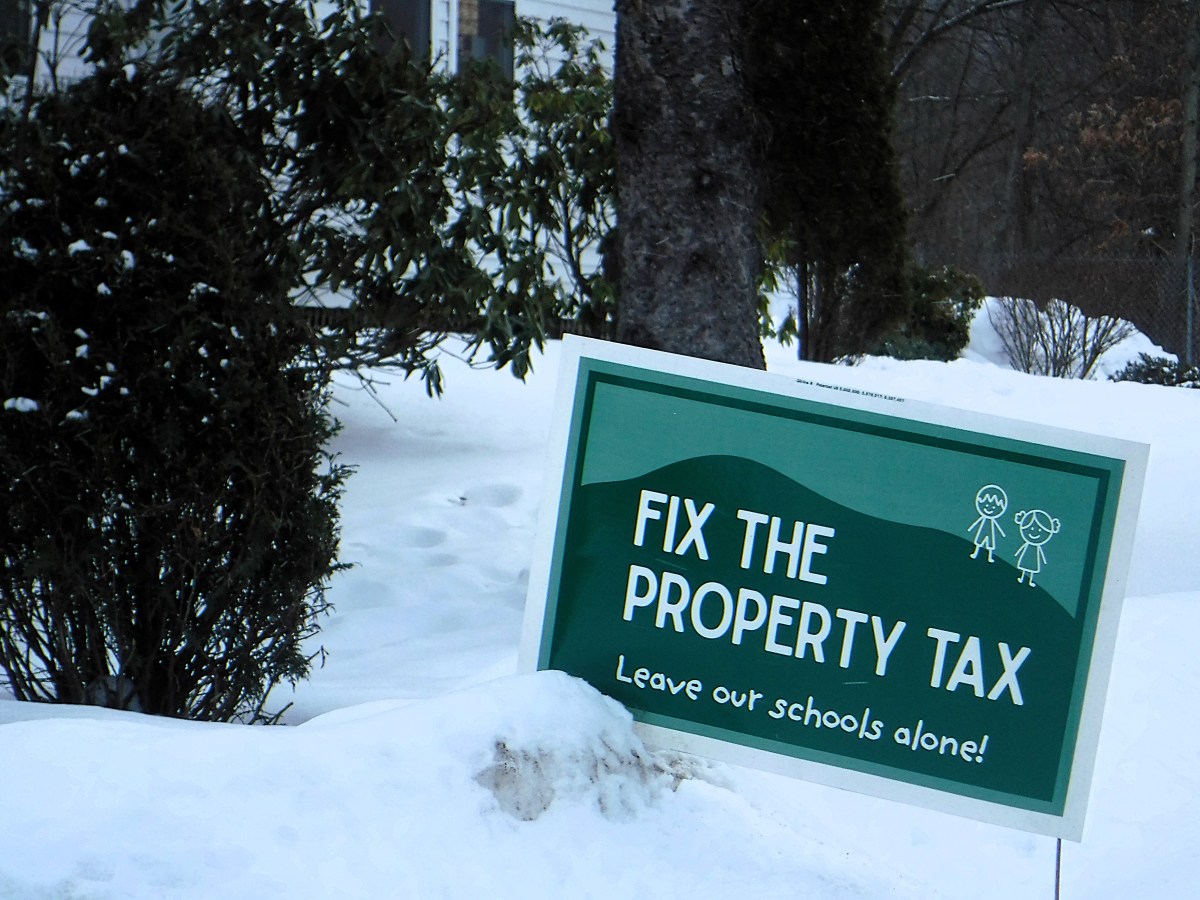
Public school spending on healthcare premiums is approaching $400 million a year across the state, according to Ceglowski. While the costs have downstream effects on taxpayers, they make up only a part of the state’s more than $2 billion in education costs. The spending on healthcare has become a high-profile piece of budgets that some lawmakers and school leaders have billed as a way to curb expenses and offer relief to property tax payers.
School boards are expecting an especially difficult budgeting year. As Vermont starts transitioning to a state-directed education funding model, the state has pushed districts to curb costs, and it plans to impose tax penalties on residents if the district’s spending exceeds a set cap. Meanwhile districts have rising costs to cover, such as food, gas and heating fuel.
Anticipating any downstream effects of projected healthcare costs on taxpayers is difficult at this point, according to Ceglowski, because districts are still drafting budgets, most of which go to voters for approval on Town Meeting Day.
The effect on districts
In the Washington Central Unified Union School District, which enrolls about 1,300 kids and operates six prekindergarten and K-12 schools in five towns surrounding Montpelier, board members are still in the early stages of writing next year’s budget. Members expect to see an initial budget draft in a meeting this week, according to Chair Diane Nichols-Fleming.
“While (the small projected health insurance increase) is a huge break, it isn’t keeping up with other things that aren’t following typical trajectory, you know, like fuel prices have skyrocketed,” Nichols-Fleming said.
Unlike the modest health insurance increases, the rising price of essentials such as diesel for school buses, heating fuel and food are difficult for districts to manage, Nichols-Fleming said. Winter can also bring unpredictable costs, she said, including plowing and building maintenance.
The small increases expected next year are on top of already high base premiums. A silver plan — the least expensive option available to public school employees — is expected to cost a total $1,244.59 a month for coverage of one person, while a silver-rated plan for an employee and their spouse would be $2,489.20. A silver plan for parents and children would cost $3,541.72. Schools split the overall premium cost with their employees, covering roughly 80% of the base premium, with some variances depending on the employee and plan.
Last year, VEHI requested cost increases of 7.3% overall. The year before, plans grew by 11.9%. The 2.5% increase is still awaiting approval from the Vermont Department of Financial Regulation.
The premium growth for school employees’ plans follows smaller premium increases for plans on Vermont Health Connect, as lawmakers, regulators, hospitals and insurers all try to jointly curb increasing healthcare costs.
Many of the same factors driving down the marketplace’s premium increases are also working to keep public school insurance costs lower. Those include orders from the state’s main hospital regulator to shrink hospital revenue, a 2025 cap on the cost of certain prescription drugs and BlueCross BlueShield’s new contract with the University of Vermont Health network, which VEHI said will save over $12 million.
“The actions that the Legislature and the Green Mountain Care Board have taken with respect to addressing the affordability crisis in healthcare — lowering prices, rationalizing hospital budgets — all of that has had a very positive impact on VEHI,” Mark Hage, the trust manager for the group, said.
READ MORE
Changes made over the last two years have allowed the group to reduce their expenses by $44 million, he said.
Additionally, VEHI limited coverage of GLP-1 drugs, such as Ozempic, to patients with Type 2 diabetes and certain cardiovascular conditions, which has yielded $16 million in savings since the start of this year.
VEHI also negotiated a new contract with its pharmacy benefit manager that coordinates drug prices and procurement. VEHI said the new plan should save $5.3 million in the coming year.
On top of paying for their share of premiums, public schools end up paying for much of the out-of-pocket expenses their staff incur.
In addition to an employee’s regular insurance, the employer pays for a set amount of an employee’s out-of-pocket claims through these reimbursement cost-sharing accounts, called HRAs and HSAs, which are available to any employees on VEHI plans.
Districts will contribute up to $1,900 a year toward medical costs for an individual and up to $4,000 for couples and families of “licensed” staff, such as teachers and principals. For unlicensed staff (those who don’t need professional certification to do their jobs) schools pay even more into those accounts. For most of the HRA plans, the district covers most out-of-pocket expenses toward an employee’s deductible, at which point, the insurer covers the costs.
Those additional benefits become costly for districts to take on. One 2025 calculation from Ceglowski found that districts spent $33 million covering claims in 2023 for employees on one mid-tier plan type — a separate expense than the premiums for those plans themselves.
A piece of a bigger budget puzzle
In the Washington Central district, board members are expecting to face tough budget decisions for the second year in a row, as the district feels the effects of statewide education reform efforts, Nichols-Fleming said.
Vermont is in the process of overhauling how it pays for education by moving to a state-directed funding model called a foundation formula. That model allows the state to decide how much it spends to educate each student, with certain added funds for students who are more expensive to educate, such as those with learning disabilities or those from low-income families.
As Vermont studies school consolidation and transitions to a state-directed funding system, it’s urging districts to rein in spending. The state sets a spending cap that allows districts to spend a set percentage above what it costs to educate each student on average. If a district spends above that spending cap in per-student costs, the state can double taxes on residents.
Legislation passed this year lowers that spending cap on per-student costs year by year, pushing districts to spend less and less annually.
Last year, Washington Central struggled to propose a budget that would spare residents from tax penalties, according to Nichols-Fleming. And this year, districts are budgeting within even tighter limits.
“It’s not going to be easy and, you know, we’re going to be very saddened if we go into it thinking it’s going to be very easy,” she said.
“It would be foolish to not be worried.”
Read the story on VTDigger here: Vermont public schools expect the lowest health insurance increase in years. For districts, it’s only a small relief..
Ver nota original ↗
¿Querés un resumen rápido de esta noticia, hecho por nuestra IA?