Congress must deliver on Americans' affordability concerns
Many Americans were surprised by the results of the midterm elections. The National Urban League and our nationwide network of affiliates were not.
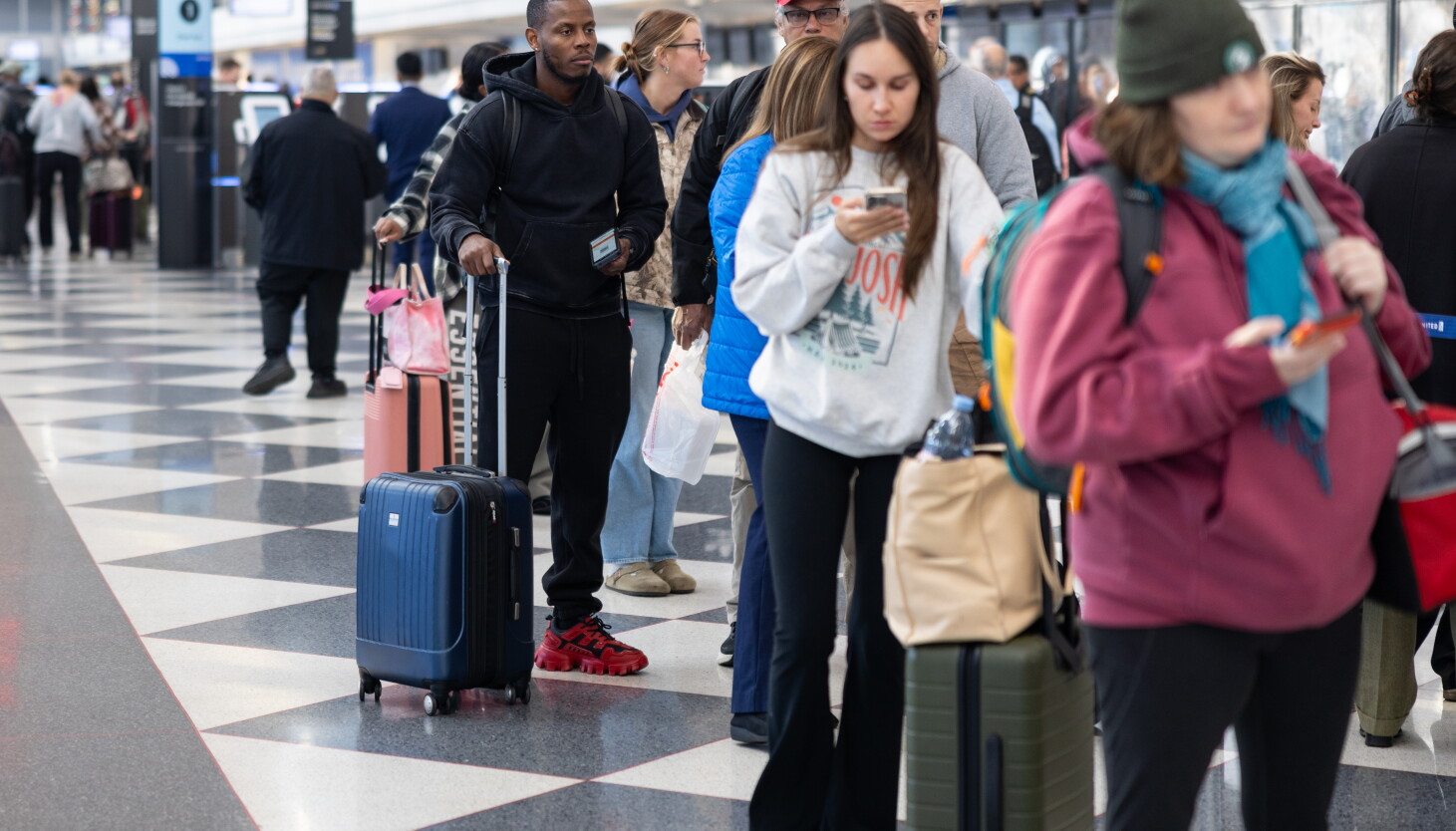
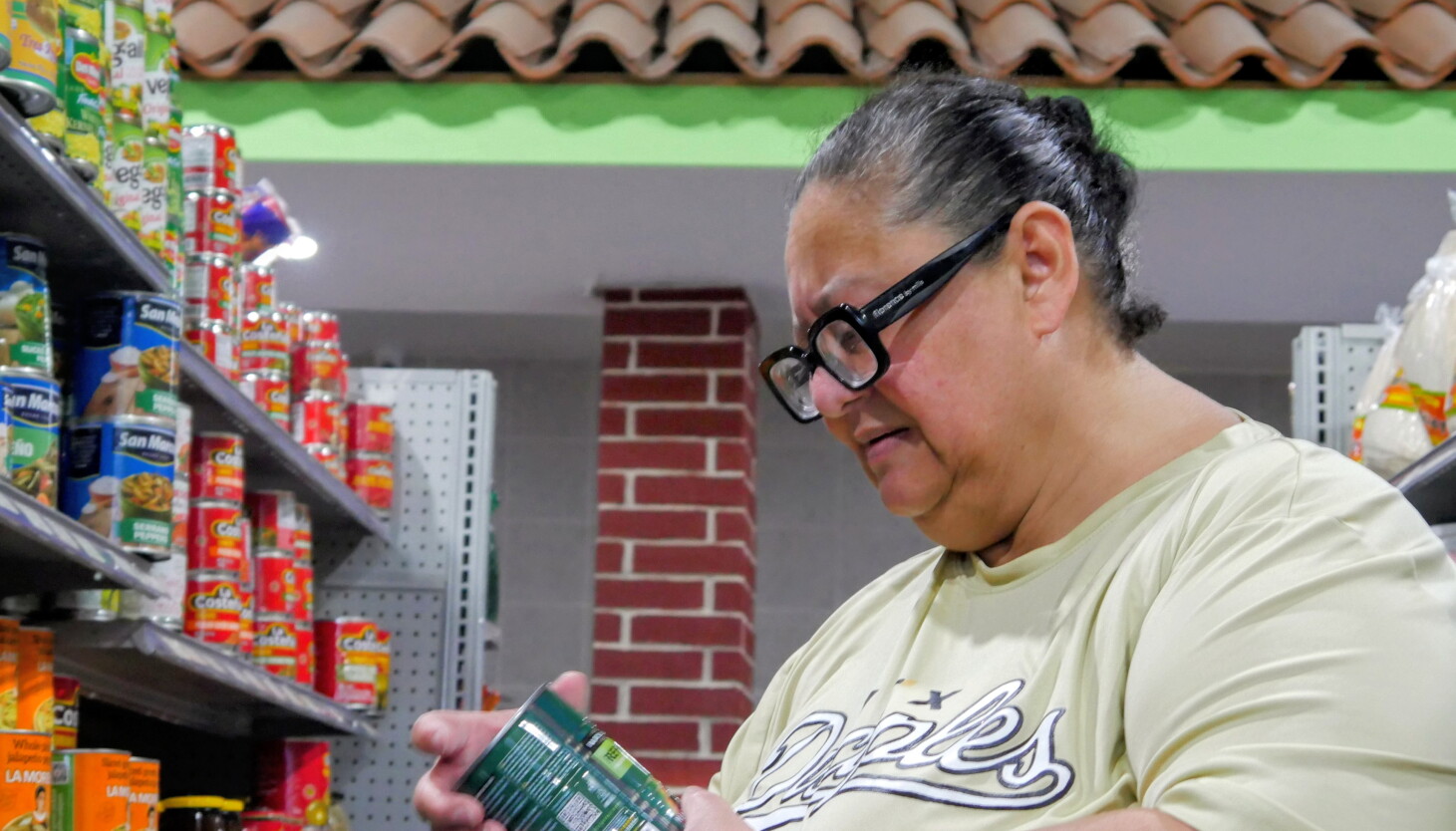
For months, our affiliates, volunteers and partners were in neighborhoods across the country knocking on doors, staffing phone banks, registering voters and listening. What we heard was not partisan rhetoric. We heard anxiety. Parents worried about high grocery bills. Seniors stretched by rising housing costs and prescription expenses. Working families struggling to keep up with utility bills, childcare costs and the price of filling a gas tank. Young people wondering whether homeownership, once a cornerstone of the American Dream, is now permanently out of reach.
Americans carried those concerns into the voting booth.
The results reshaped the political map. At least nine Senate seats and 40 House seats changed hands, with several races yet to be called. New voices emerged, and historic candidates triumphed.
Voters persisted through obstacles deliberately designed to discourage participation. Across the country, racially motivated gerrymandering, voter suppression laws, polling place closures and administrative barriers attempted to make civic participation more difficult. Yet voters showed up anyway. They made their voices heard. They demonstrated that democracy is strongest when every eligible voter can participate freely and fairly.
But the real measure of this moment is not who won. It is what the winners do next.
As I wrote in a letter to congressional leaders, the American people deserve a Congress that is responsive to their everyday challenges, safeguards their fundamental rights and exercises its constitutional responsibilities with independence and integrity. For working families, the measure of congressional success will be whether wages keep pace with costs, housing becomes more affordable, essential services remain accessible and economic opportunity expands.
The National Urban League has a name for this vision: Affordability for All.
Our Affordability for All agenda recognizes a simple truth. The affordability crisis is not limited to one expense or one demographic group. It is interconnected. Housing costs affect family wealth. Healthcare costs affect financial stability. Education costs affect future earnings. Transportation costs affect access to opportunity. When families are squeezed from every direction, prosperity becomes impossible.
The agenda’s five interconnected policy priorities represent a comprehensive framework for strengthening economic security, expanding opportunity and ensuring that economic growth benefits working families:
- A national minimum wage that reflects the actual cost of living and automatically adjusts to inflation, preventing future erosion of workers' purchasing power
- The repeal of the "Big Ugly Bill" (One Big Beautiful Bill) and restoration of essential investments in working families such as Medicaid, Affordable Care Act coverage, nutrition assistance programs, federal student aid, workforce development and other critical supports
- A comprehensive federal housing policy that addresses both the supply of affordable housing and the ability of families to afford available homes, including expansion of the Section 8 housing choice voucher program, adequate funding for the Department of Housing and Urban Development and its core housing programs
- Affordable broadband access and promotion of an inclusive digital economy through restoration of the Affordable Connectivity Program and other policies that provide affordable access to both broadband service and the devices necessary to participate in the digital economy
- An end to inflationary tariffs that increase costs for American families and trade policies that support American competitiveness and domestic economic growth without imposing additional financial burdens on families already struggling with the cost of living
As policymakers debate these priorities, they should remember the message voters delivered this year. People are tired of being told the economy is strong while their own finances feel fragile. They are tired of hearing statistics that fail to reflect their own lived experience. They want leaders who understand that affordability is not merely an economic issue. It is a quality-of-life issue. It is a family issue. It is a democracy issue.
When working people cannot afford housing, healthcare, food, transportation, or education, faith in institutions begins to erode. When families can build wealth, own homes, educate their children and retire with dignity, democracy becomes stronger.
The National Urban League will continue working with our affiliates, partners and supporters to ensure that voters remain informed and engaged. Through our Washington Bureau and our Affordability for All agenda, we will continue advocating for policies that lower costs, expand opportunity and strengthen economic mobility for every American.
The voters have done their part. They organized. They voted. They made their voices heard.
Now it is time for Congress to do theirs.
Marc H. Morial is president and CEO of the National Urban League and was mayor of New Orleans from 1994 to 2002.
Ver nota original ↗
¿Querés un resumen rápido de esta noticia, hecho por nuestra IA?