How Iran is using social media to exploit US vulnerabilities

SALT LAKE CITY — Asymmetrical weapons are tools or tactics used in an "unequal conflict" to exploit a more powerful opponent's vulnerabilities.
And while low-cost drones used by the Iranians have directed much of the discussion surrounding unconventional tactics during the U.S. military's ongoing conflict in the Middle East, another asymmetrical weapon remains a rising threat: social media.
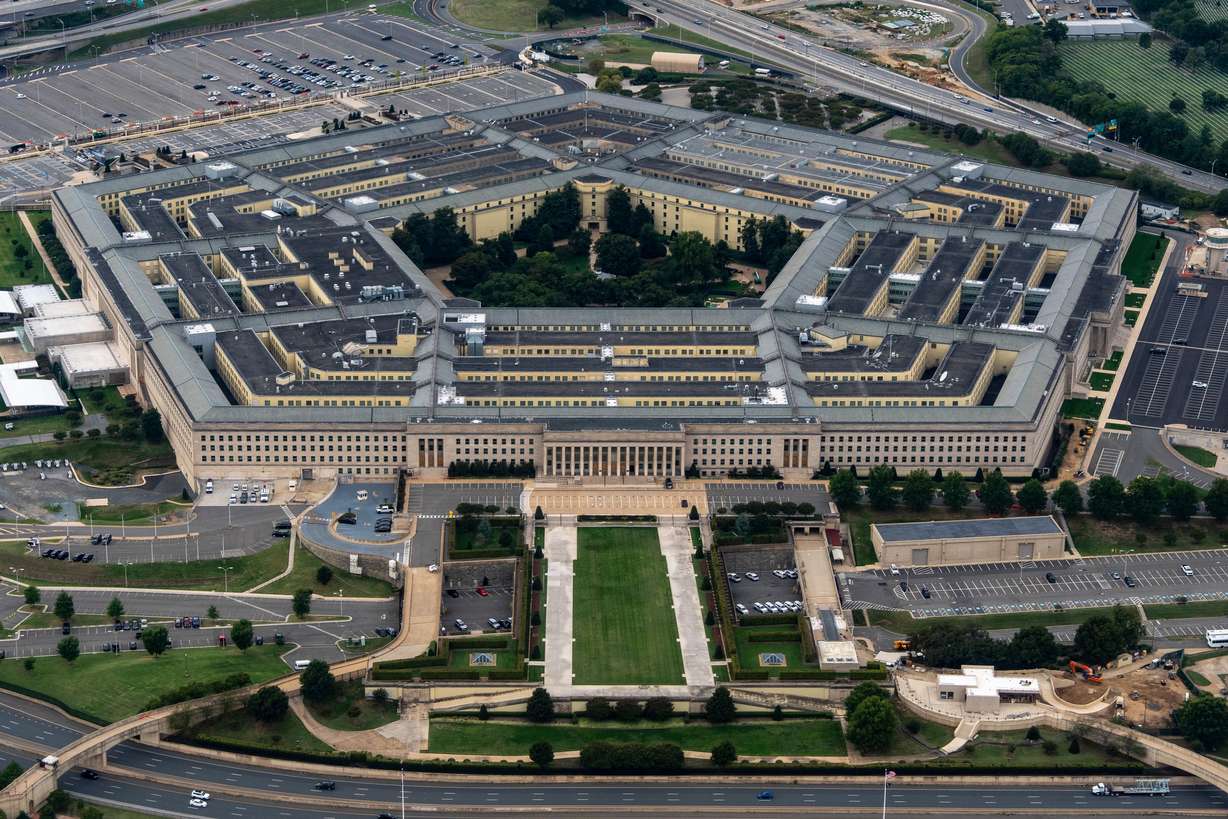
The Pentagon and other public safety agencies remain on the defense to counter the myriad forms of digital communication being weaponized. The Defense Department has accused "adversaries and hostile actors" of utilizing popular social media networking to intimidate, harass, and spread lies and rumors.
This month, for example, the Iranian Embassy in South Africa used its X account to threaten two U.S. Navy officers whose warship was involved in combat missions against Iran.
"We will find you," the embassy warned in the X post.
Another X post from the Iran Embassy in South Africa last weekend mocked Trump administration Cabinet members Marco Rubio, Scott Bessent and Pete Hegseth for relocating to U.S. military installations following reported threats from Iran.
Given the multiple aspects of social media — some helpful, others harmful — the Pentagon continues navigating the ever-shifting waters of online communication. And policies will likely remain fluid, depending on circumstances.
Last week, Sen. John Curtis, a Republican, and Arizona Sen. Mark Kelly, a Democrat, announced that the U.S. Army was reversing its decision to prevent Utah's Dugway Proving Ground and Arizona's Yuma Proving Ground from maintaining their own social media accounts.
The two lawmakers had warned the Army that the system-wide social media policy would undermine public safety communications and operations at the two military installations.
Acting Navy Secretary Cao: Force protection is 'everyone's responsibility'
The recent belligerent posts from an official Iranian government social media account likely came as little surprise to Pentagon leaders.
Last summer, the Department of the Navy launched "Epic Vigilance" — an initiative designed to boost cybersecurity across American military communities.
Cyberthreats targeting those in and out of uniform are reminders that the traditional wartime home front has been redefined. It is increasingly vulnerable because of the global reach of social media and other digital technology.
"The security of our (troops) and their families remains the Navy's absolute priority. In today's modern security landscape, adversaries increasingly aggregate publicly available data to track, profile, and target our personnel," according to the Navy Department.
Counted among the tactics being utilized by cyberattackers are direct threats and harassment targeting military personnel and their families via social media — including doxing, or the publishing of personal information.
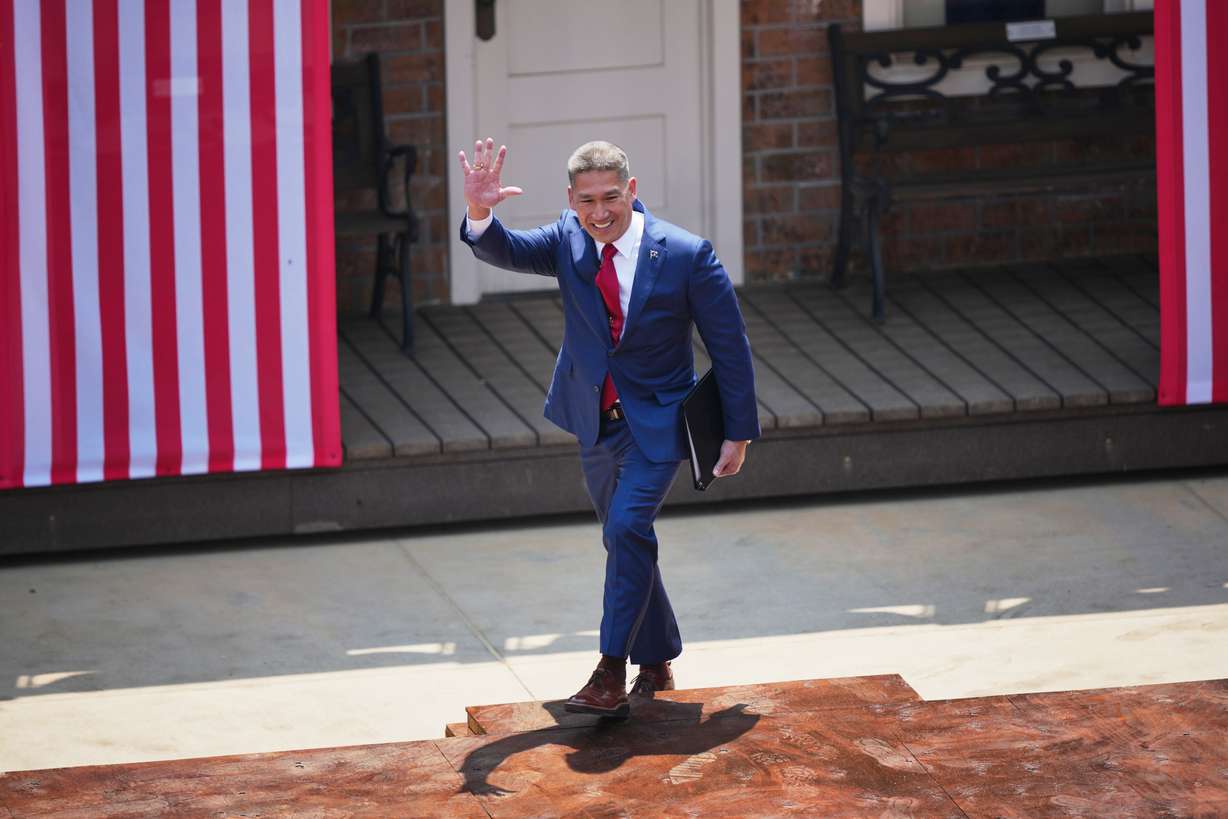
Acting Secretary of the Navy Hung Cao directed all in the Navy/Marine Corps community to review all social media accounts, set profiles to private, and remove any past postings that identify military connections or reveal an individual or family's life patterns.
"Force protection," wrote Cao, "is everyone's responsibility."
Bipartisan push to relax Army's social media restrictions
Meanwhile, Sens. Curtis and Kelly are celebrating their successful bipartisan push to reverse the Army's social media policy at Dugway Proving Ground and Yuma Proving Ground.
Last June, the Army implemented "Optimizing Digital Media," restricting official social media accounts across the service.
But Curtis and Kelly urged the Army to reconsider the restriction at the two proving grounds, warning that the constraints could "undermine public safety communications, community relationships and partnerships with private industry," according to a release from the Curtis office.
Related:
The senators highlighted the Army's recent designation of Dugway Proving Ground under its Domestic Permissive Test Range Expansion initiative, which aims to expand commercial access to Army ranges for testing unmanned aircraft systems, counter-drone technologies, long-range fires, and low-cost interceptors.
The Army, according to the release, recognized that testing facilities like Dugway Proving Ground rely on direct communication with local communities and private industry to support their missions, particularly as the Army expands opportunities for commercial testing of new military technologies.
"In light of your request and a comprehensive re-evaluation of these unique requirements, the Department of the Army has reconsidered its previous position. I am pleased to inform you that we are approving Exceptions to Policy (ETPs) to authorize official social media accounts for U.S. Army Test and Evaluation Command (ATEC) Headquarters, Yuma Proving Ground (YPG), and Dugway Proving Ground (DPG)," the Army said about its decision to reverse course.
Curtis saluted the reversal, saying Utah plays a key national security role and that it's essential for Dugway Proving Ground to maintain open digital communication with the local community.
"I appreciate the Army's willingness to reconsider this policy and recognize that a one-size-fits-all approach doesn't always work," he said. "This is a welcome decision that will help ensure Utahns continue to receive timely, reliable information directly from the installation."
Added Kelly: "I'm glad the Army listened and made this commonsense fix."
The Key Takeaways for this article were generated with the assistance of large language models and reviewed by our editorial team. The article, itself, is solely human-written.
Ver nota original ↗
¿Querés un resumen rápido de esta noticia, hecho por nuestra IA?