As possible fare hike looms, MTA unveils plan to help modernize NYC subways — by 2050
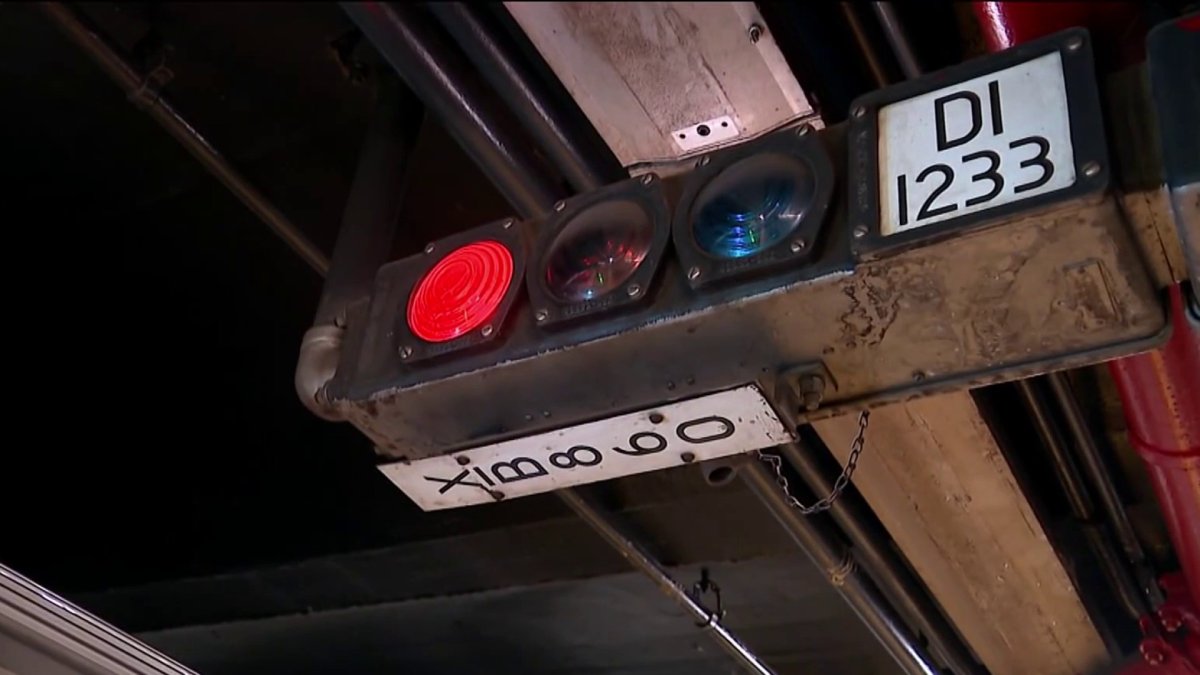
The MTA laid out a plan to modernize New York City’s antiquated subway signal system that has been around for more than a century — but by the time the new system is fully in place, it may be an antique itself.
On the G line between Brooklyn and Queens, the trains are new, but the signals are not.
“We are using a 120-year old system here. It was a marvel of early 20th century, but it doesn’t work for the 21st century,” said Jamie Torres-Springer, the president of construction and development for the MTA.
Torres-Springer is set to be the executive in charge of the subway system’s biggest modernization ever. He calls it one of the agency’s “best opportunities to make service faster and more reliable,” and made the case earlier in the week to the MTA Board.
The L and 7 lines have already been upgraded, with the F and G lines underway and the A/C lines up next. By 2030, they will be 27% complete; by 2040, 71% complete; by 2050, the full system will be updated.
The timeline to upgrade the system baffled some riders, and the MTA has yet to put an official price on it. But Torres-Springer confirmed the hefty price tag.
“It’s billions. But we are already doing it and for millions of riders, they get a faster, more reliable ride,” he said.
The reason for the pricey upgrade becomes apparent when seeing one of the old signal rooms, complete with manual levers and hand-written logs.
Now, the MTA will essentially look to put GPS on every train, and replace all the traffic light-style signals. But it will have to be done while aiming to keep trains running 24/7.
The multi-billion-dollar modernization plan comes with a fare hike on the horizon for riders in 2027. The MTA Board is set to vote on the fare hike in December.
Ver nota original ↗
¿Querés un resumen rápido de esta noticia, hecho por nuestra IA?