
Millions of American drivers are speeding. The environment could be paying the price

SALT LAKE CITY — There are more than 242 million licensed drivers in the U.S. When these drivers hit the open road, almost half of them are speeding, at least occasionally, according to recent data from the AAA Foundation for Traffic Safety. Many, in fact, view speeding as a normal part of driving.
Countless reports have outlined the dangers of speeding: the risk of losing vehicle control, decreased reaction time, and most severely, fatal accidents.
A more recent study showed that there may be reasons to reduce speeding beyond the threat of roadway crashes: preserving the environment.
After analyzing more than 120 million real-world vehicle trips across the U.S., researchers concluded that if drivers complied with posted speed limits, it could save an average of 6.7 million gallons of fuel, $22 million and 57,000 metric tons of carbon dioxide every day, all while increasing travel time by only 54 seconds per driving day.
These savings are comparable to removing around 5.5 million passenger vehicles from the road, researchers observed.
How does speeding relate to fuel consumption and emissions?
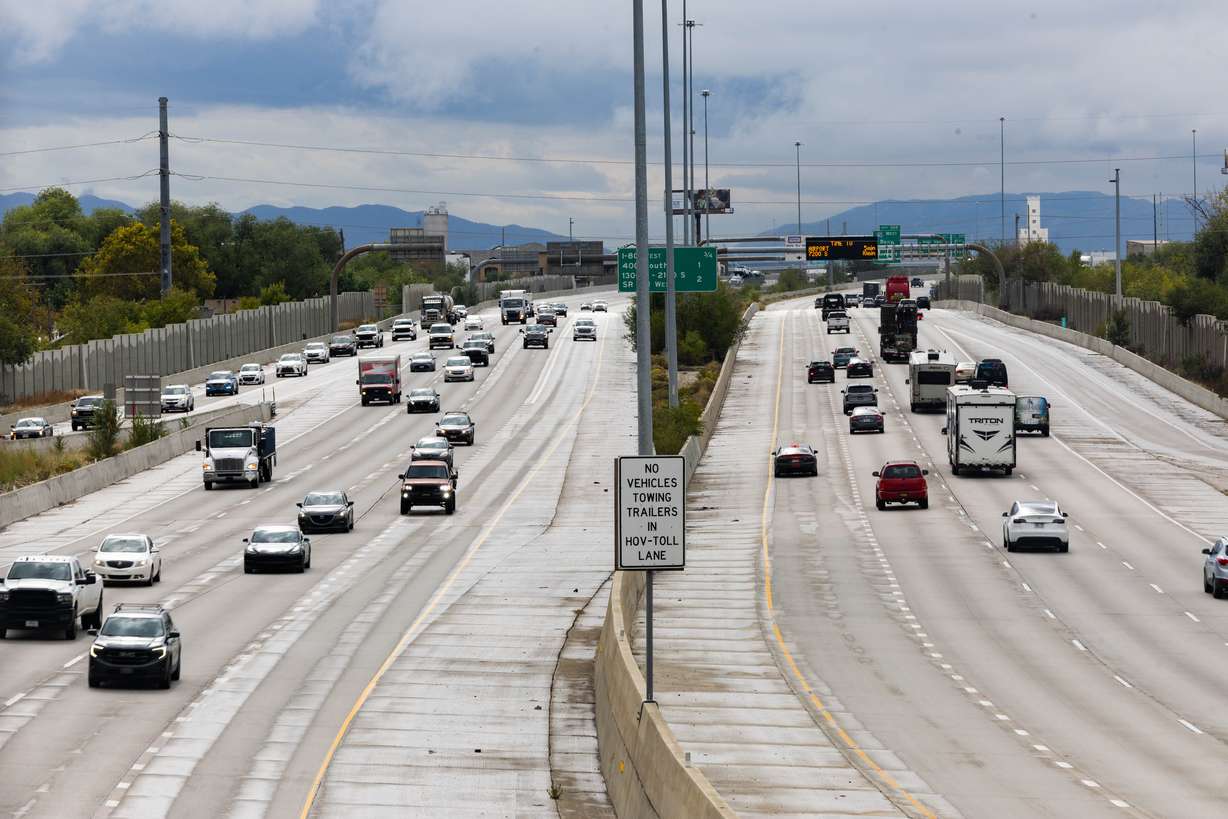
Northrop's study found that the aerodynamic drag force acting on a vehicle increases alongside speed, making high-speed driving "disproportionately energy-intensive."
"Essentially, every 5 miles an hour you go higher and higher, you use a lot more fuel to achieve that," Northrop said.
Additionally, fuel use is "directly correlated" with emissions from engine combustion or the energy that charges electric vehicles, Northrop said.
On the average highway, driving 10 miles per hour over the speed limit can raise fuel consumption and CO2 emissions by up to 21%, the study found.
Other studies have corroborated the finding that speeding adversely affects the environment.
A report by the World Health Organization said vehicle speed is a "strong contributing factor" to heavy metal contamination in road dust.
In many areas, vehicle emissions have become the dominant source of air pollution, another study revealed, contributing to risks of morbidity and mortality for both drivers and individuals who live near roadways.
Researchers in Northrop's study noted that more work is needed to fully understand the impact of driving on fuel and emissions.
What causes speeding?
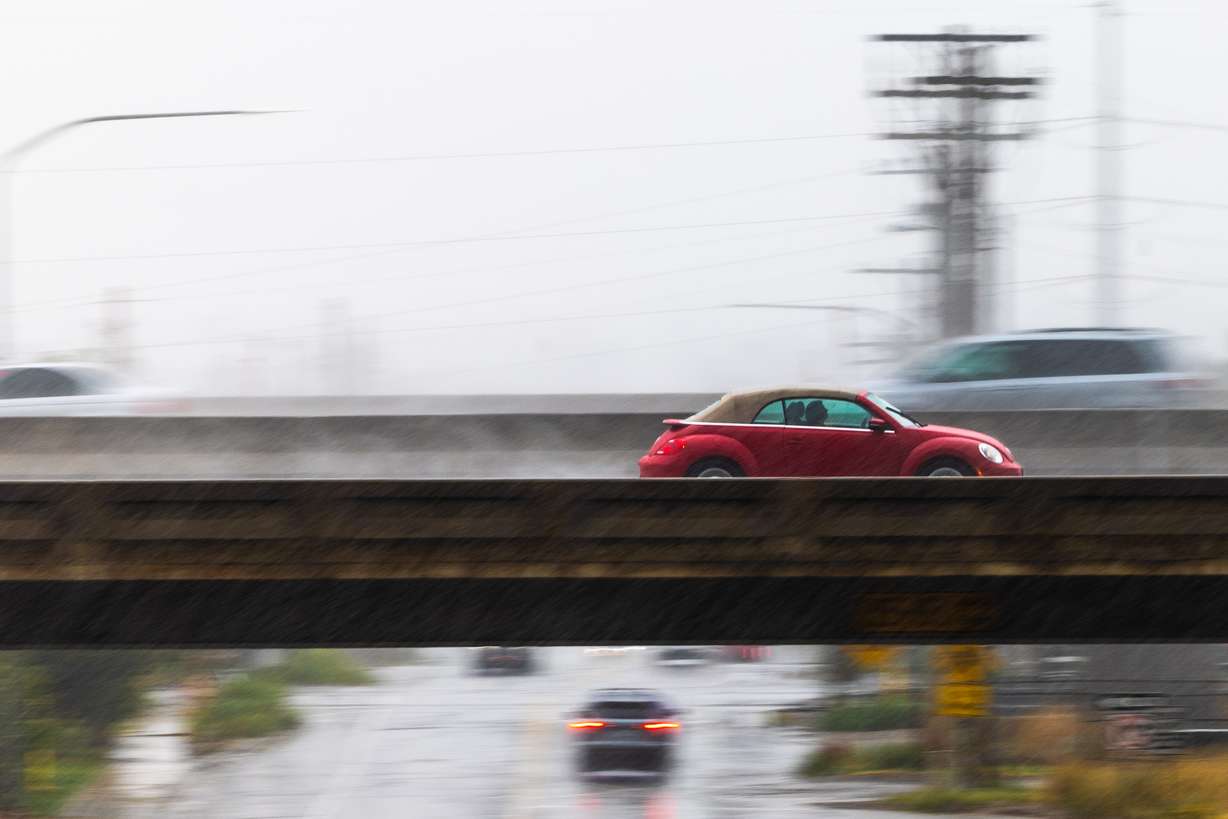
Research has shown there are several factors contributing to a driver's choice to speed.
An AAA Foundation study showed the top reasons drivers report speeding include getting around slow drivers, reaching their destination faster and/or avoiding holding up traffic.
A report from the National Highway Traffic Safety Administration adds that speeding and other forms of aggressive driving often happen as a response to traffic congestion, especially when drivers feel they are "running late" for school, work, meetings, games, lessons or other obligations.
Some argue speeding may even be the product of subconscious habits and distorted perceptions of risk, according to a report by Kustom Signals Inc, a U.S.-based manufacturer of public safety equipment.
Northrop said that he wasn't much of a speeder in the first place, but the findings of his study sure give him reason to stick to the posted limit.
"I realize now that really, the savings and the aggravation that you can give yourself by trying to rush through traffic is not worth it," he said. "It's just not worth it."
The Key Takeaways for this article were generated with the assistance of large language models and reviewed by our editorial team. The article, itself, is solely human-written.
Ver nota original ↗
¿Querés un resumen rápido de esta noticia, hecho por nuestra IA?


